
Creating a Captivating Elevator Pitch
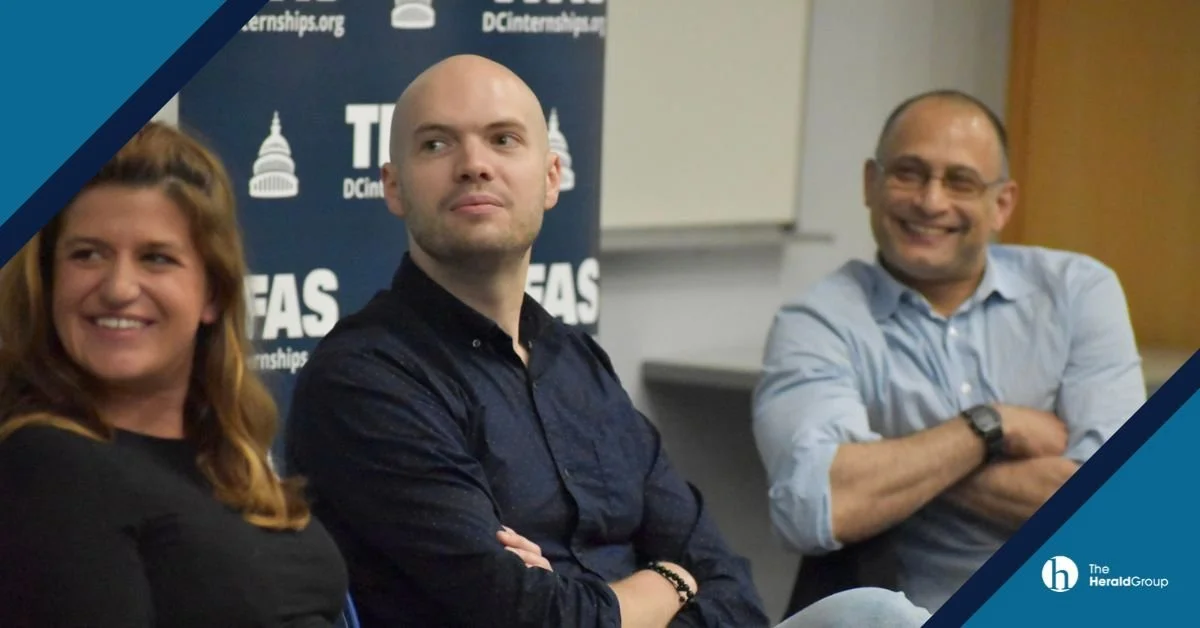
Recently, I joined a panel discussion hosted by The Fund for American Studies on the importance of elevator pitches and networking, providing the basics of how to sell who you are to potential employers and peers.
Although the audience was comprised primarily of students, these lessons apply to everyone, even seasoned communicators. There is no level where this skill can languish, and it is a muscle that needs to be regularly exercised.
While we might not be in a job interview each day, a solid elevator pitch on yourself or your services is often a necessity in a professional setting. When it comes to advising clients, suggesting solutions, and retailing a brand, all require the ability to tell an unambiguous and persuasive story.
With that in mind, here is my guide when it comes to developing and executing a compelling pitch.
Be Concise
Don’t waste time on flowery and elaborate setups
Do press home the argument crisply and clearly
Be Precise
Don’t talk in generalizations
Do know and understand the ins and outs of what’s being sold
Be Prepared
Don’t walk into a meeting without a plan
Do spend ample time on research and practice
Be Bold
Don’t take wild risks
Do make the pitch memorable and creative
Be Respectful
Don’t forget to show appreciation and appropriate deference
Do be polite and civil at all times
Other Thought Leadership

Research alone rarely drives action. Learn how to translate complex data into compelling stories, reach key decision-makers, and build a public affairs strategy that ensures your findings land.
In litigation, regulatory investigations, and reputational crises, organizations often find themselves trapped between two competing realities: legal counsel wants to minimize risk, while stakeholders want answers. Here’s how to communicate when you cannot share the whole story.

Audience research can do more than inform one campaign. Synthetic audiences help public affairs teams pressure-test messaging, extend research value and adapt faster as issues, audiences and news cycles shift.












At the University of Houston’s Energy Transition: Winds of Change symposium, it was clear that we are not in an energy transition, we are in the midst of an historic energy transformation that will be only possible through the partnership of public policy, industry and local communities.

The lame duck session provides special opportunities to reach decision-makers and make your messages heard loud and clear. The Herald Group’s latest blog highlights effective tactics for making an impact during the lame duck session and setting the stage for next year.

An effective digital grassroots campaign can be a critical element of a “surround sound” strategy that helps your issue break through the noise on Capitol Hill. VP Sharon Copeland shares three keys to bringing your programs to the next level.
 Tasha Dobie
Founder of The Square Agency & Official Squarespace Partner