Everyone Has a Podcast. Should You?
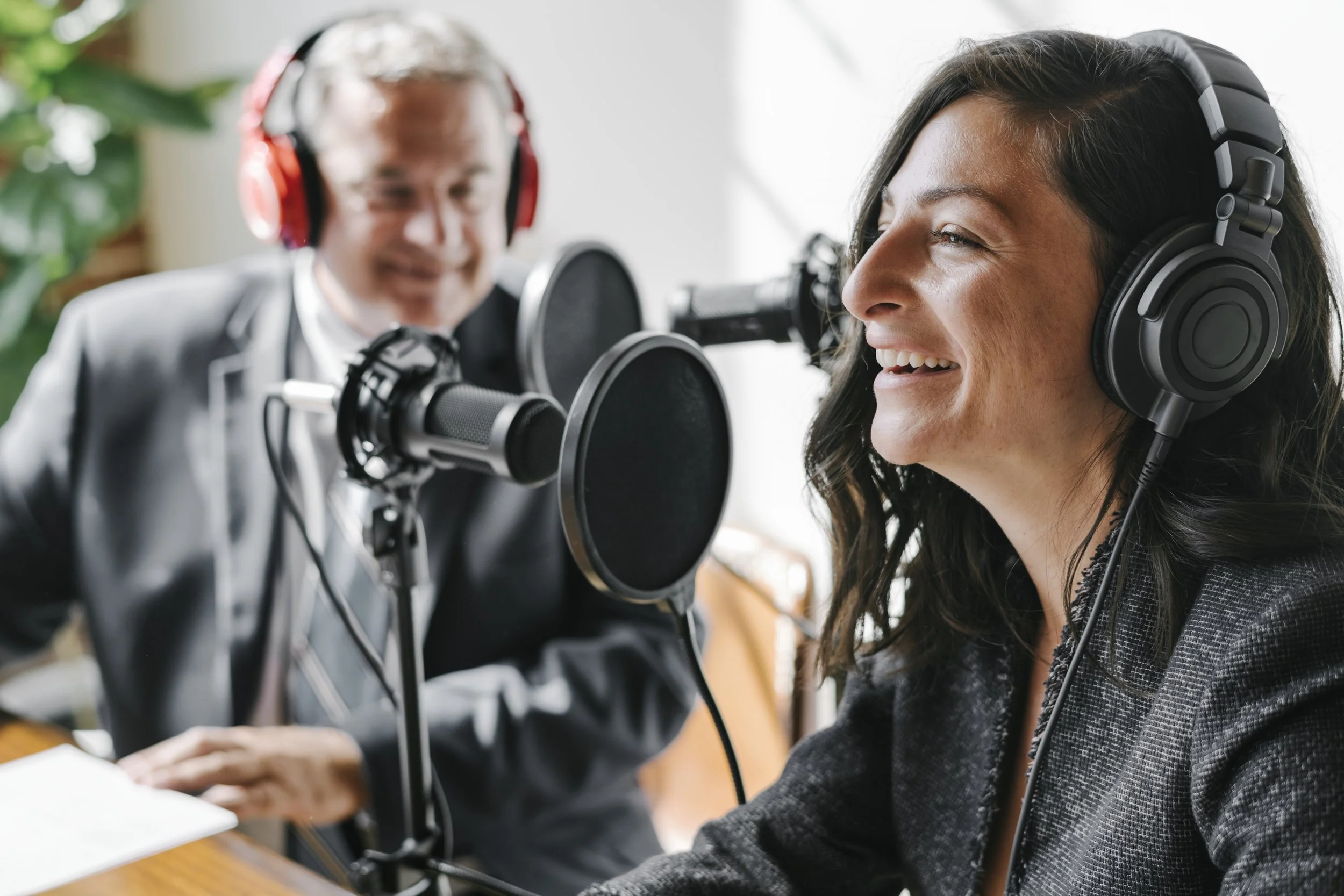
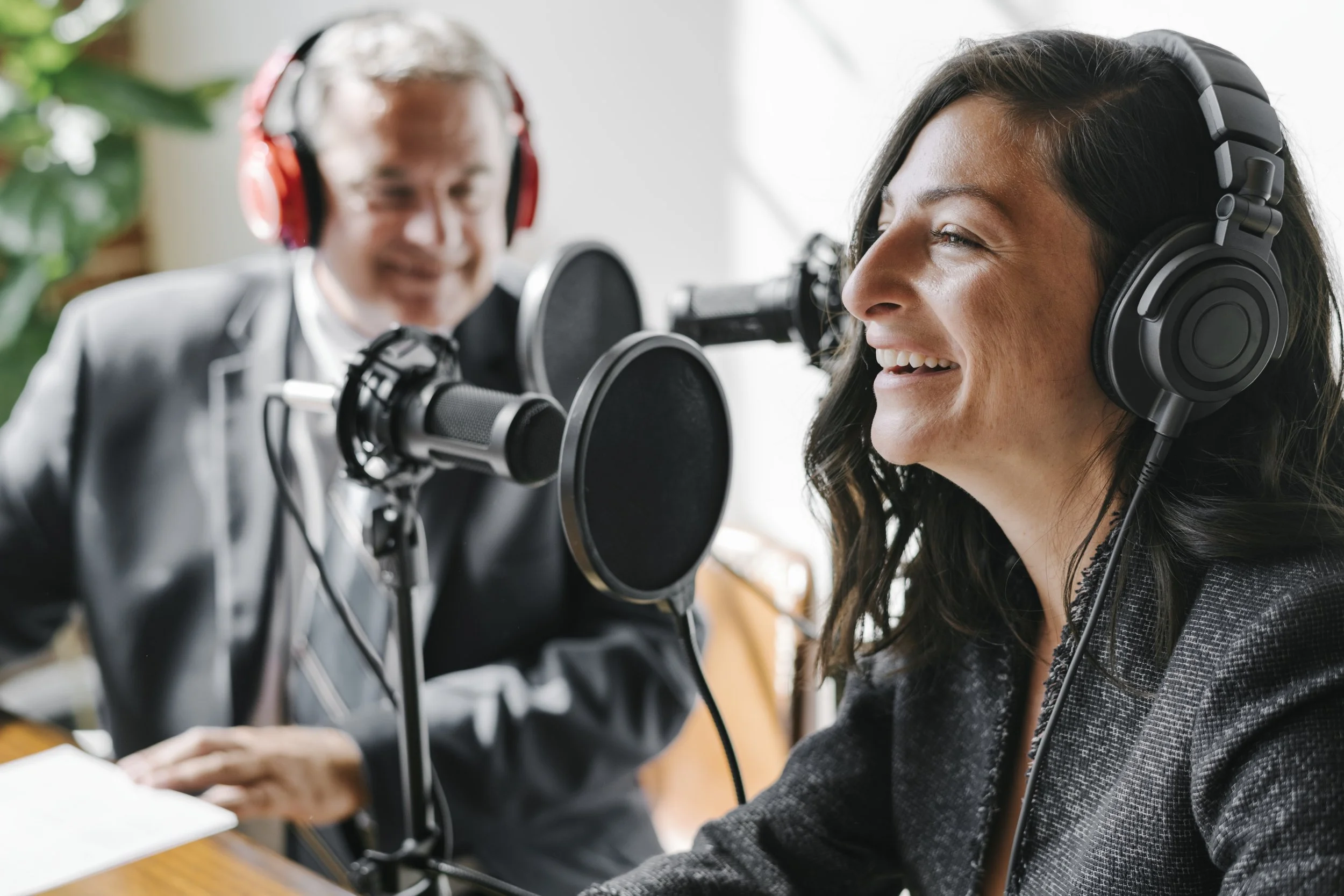
In 2025, the digital audio space is louder than ever. From policy breakdowns to Beltway banter, podcasts have become the new town square for decision-makers and issue advocates alike.
Though the medium has been around for decades now, podcasts have become a powerful tool for influencing the current administration. Political celebrities have been the latest to capitalize on this revived trend to earn media coverage and sway politics.
Recently, Elon Musk was a guest on “The Katie Miller Podcast,” where he spoke about his controversial “DOGE” (Department of Government Efficiency) work, which led to national media coverage.
More than 16,000 active political podcasts now shape public opinion, legislative debates, and even electoral narratives. Amid this surge, organizations working to shape policy must ask: is producing a podcast the best way to be heard?
The answer, increasingly, is no. Instead of getting bogged down with the constant stream of content needed to build a worthy podcast, the smarter move is to invest in connection. Let creators create. Let your brand meet audiences where they already listen.
The State of the Podcast Landscape in 2025
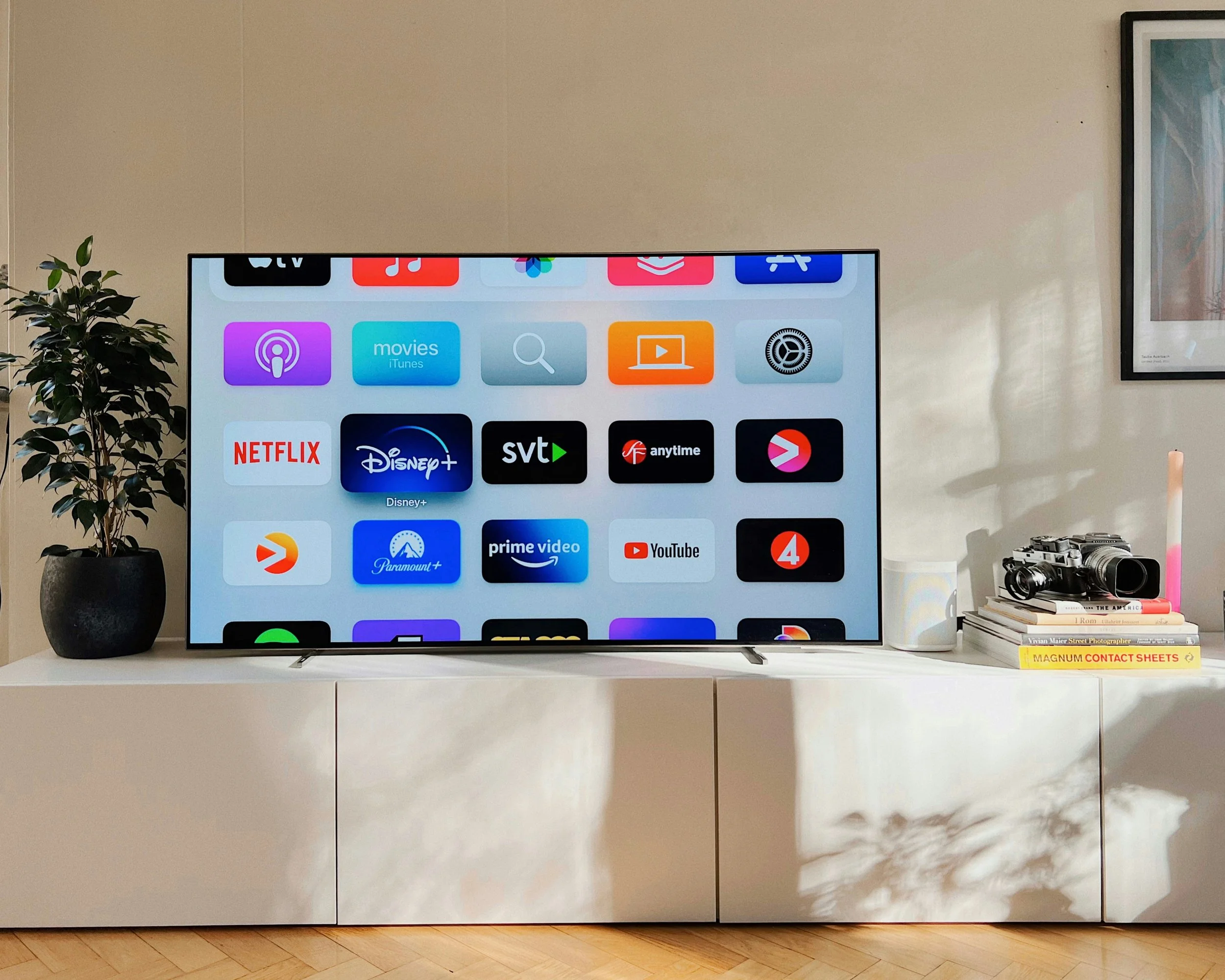
The honeymoon is over: podcasts are no longer a niche channel. Now a multi-billion-dollar industry, the medium has matured into a mainstream marketing and communications platform, projected to generate over $39 billion globally this year. Listeners are engaged: 83% spend more than nine hours listening weekly, and the average person consumes about eight episodes per week.
Podcasting also spans the full media spectrum, from quick, influencer-driven conversations to policy deep dives that command executive attention. The most popular genres include business, news, and comedy, but the fastest-growing niches are focused on education, technology, and government affairs.
This mix of entertainment and expertise makes podcasts an unmatched platform for thought leadership and brand alignment, especially for organizations with important messages to deliver.
Policy in the Audio Age
Podcasts have quietly become one of Washington’s most influential channels. Hill staff, trade association leaders, and agency stakeholders are tuning in for issue insights during their commutes. Political and policy podcasts like POLITICO’s Playbook Deep Dive and The Daily now rival traditional news briefings in setting the narrative agenda.
For public affairs professionals, this creates a rare opportunity: meet policymakers and opinion-shapers where they are already listening. With the right placements, an energy company can join national conversations about innovation; a health coalition can position itself as the voice of reason on reform; and a trade group can bring its perspective directly to the earbuds of decision-makers shaping its industry.
The Advertising Advantage
Podcast advertising has evolved into one of the most trusted and effective digital marketing channels. Why? Engagement and authenticity.
Listeners have deep trust in podcast hosts. Compared to just 15% of surveyed listeners who trust social media influencers, 62% say they trust ads read by their favorite hosts. Brands that place messages within the right podcasts benefit from that halo of credibility. Studies show podcast ads generate up to three times higher brand recall and 1.5 times higher conversion rates than traditional digital audio formats. In the policy world, where trust is currency, that kind of credibility can’t be bought — unless you know where to place it.
Even more compelling: podcast ads are consumed during “focus time.” Whether commuting, working out, or multitasking, over half of listeners engage without skipping because the ads feel like part of the conversation. This is storytelling at its most authentic.