The Democratization of Media & Advocacy

Few periods in history rival the seismic shift we've witnessed in media and political advocacy over the past two decades. For generations, communication flowed in one direction: top-down. Legacy media institutions and a small cadre of deep-pocketed advertisers produced content, and audiences received it.
That era is over. The democratization of media isn't just about decentralized production and distribution. It is about fundamentally reimagining the audiences themselves.
Today's audiences are highly segmented. They don't want lectures; they crave authenticity. They don't just consume, they participate, amplify, and shape narratives in real time. Social media, online communities, and AI tools enable anyone to connect with messengers, co-create content, and drive real-world impact on how stories unfold.
The organizations that thrive are those that provide genuine pathways for interactivity and co-creation. They earn attention by offering engaging experiences that deepen audience connection and build trust.
As public affairs professionals, we are the navigators our clients trust to understand this landscape and leverage it to capture increasingly scarce public attention on the political and policy issues that matter most.
How We Do This for Our Clients
Public affairs used to be one-dimensional: leverage legacy media to broadcast messages loud enough and often enough that they sink in. Now, it's about helping clients communicate authentically and position themselves as collaborators, not lecturers.
When done right, our clients' issues become our audience's issues, and that commitment translates into political power. We build communities that stand up, advocate, and move the needle.
In this decentralized media landscape, however, there is rarely a silver bullet. Instead, a multifaceted, systematic approach creates a lasting impact on policy debates and outcomes.
1. Trust the Messengers
The days of hiding behind heavily edited op-eds, scripted cable hits, and sanitized social content are over. If you want the public to engage, promote your issues, and champion your cause, sterile messaging through intermediaries won't cut it.
Trust your messengers to be authentic. Consider:
Conversational formats: Podcasts, in-person panels, Q&As, and live social media interviews that showcase personality and expertise
Creator collaborations: Partner with digital influencers and community voices who add credibility and cultural resonance that faceless organizations can't match
Direct-to-audience content: YouTube videos, social clips, Substack newsletters, and unfiltered social posts that build leadership profiles and create substantive channels for learning and participation
2. Build the Systems
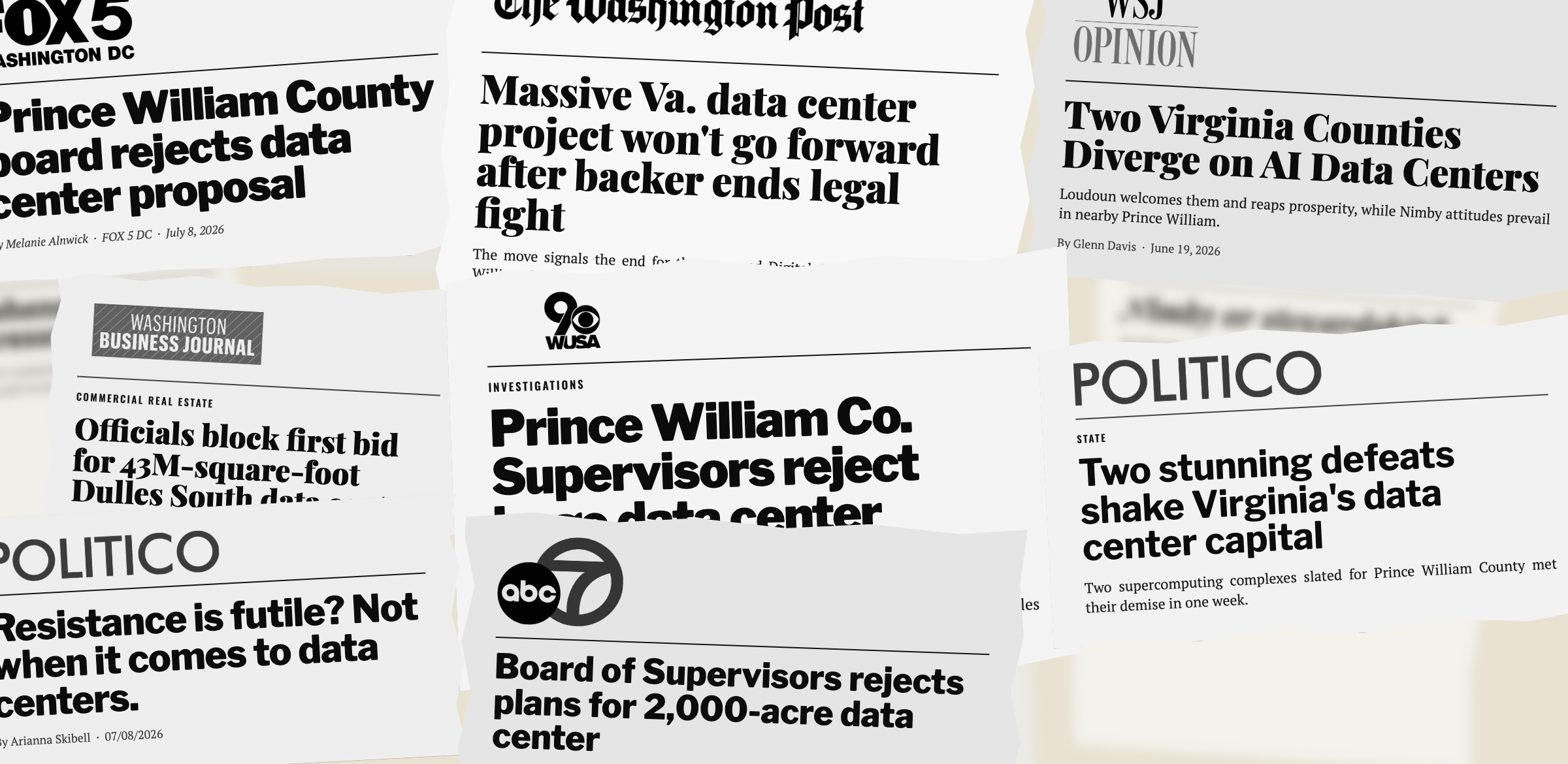
Great content is just the beginning. Imagine: a story emerges from a podcast, gets shared by an influencer, picked up by major media, reshared by other networks, inspiring YouTube explainers and TikTok responses. At each junction, audiences respond, remix, and amplify. This sustains news cycles and fuels ongoing discussion.
The goal? Convert abstract issues into personal, real-world concerns through the right strategies and tactics:
Interactive storytelling: Polls, questionnaires, and calls for personal stories
Participatory content: Ask for reactions, feedback, and contributions—don't just push information
Shareable collateral: Infographics, data snapshots, short clips, and provocative headlines designed for remixing and redistribution
Expert-driven narratives: Personal testimonials, concise issue explainers, grassroots stories, and fact-checks that counter opposition messaging
Audience empowerment: Treat your audience as co-authors with roles, voices, and opportunities to shape the story
3. Fuel the Fire: Create Surround Sound
Once you've built and deployed systems for participation, you need sustained momentum. This means orchestrating a "surround sound" campaign, a THG specialty that coordinates messages and messengers across channels to specific audiences that makes your narrative unavoidable.
Amplification strategies include:
Multi-platform coordination: Synchronize messaging across earned media, owned channels, and influencer networks to create echo effects
Rapid response infrastructure: Deploy real-time monitoring and content teams ready to capitalize on breaking news, trending topics, and opposition missteps
Coalition activation: Mobilize partner organizations, allied voices, and grassroots networks to amplify key messages from diverse perspectives
Paid amplification: Strategically boost organic content and influencer posts to extend reach beyond existing communities
Continuous iteration: Monitor engagement metrics, conversation sentiment, and message performance to refine tactics in real time
The power of surround sound isn't volume alone—it's about creating the perception of consensus and momentum that makes fence-sitters take notice and opponents think twice.
4. Measure What Matters
In the democratized media landscape, traditional metrics fall short. Impressions and reach tell only part of the story. The real measures of success are engagement depth and behavioral outcomes.
Track metrics that reveal true impact:
Engagement quality: Comments, shares, user-generated content, and time spent instead of just views
Network effects: How far content travels beyond initial audiences and which influencers pick it up
Sentiment shifts: Changes in public opinion, message adoption by third parties, and narrative dominance as a share of the larger conversations
Conversion actions: Petition signatures, event attendance, advocacy touchpoints, and legislative contacts
Community growth: Expansion of committed advocates who repeatedly engage and recruit others
We use these insights to double down on what works and pivot away from what doesn't. In a fast-moving environment, agility often beats perfection.
The Bottom Line
The future of public affairs belongs to those who understand a fundamental truth: conversations are already happening around your issues. The question isn't whether to engage, but how to tap into that energy rather than compete with it.
The best programs don't broadcast to captive audiences. Instead, they invite them in. Rather than demand attention, they earn it through authenticity.
The organizations that master this shift will define the next generation of advocacy. Those that cling to top-down models will find themselves shouting into a void while their competitors.