Five Creative Shifts Public Affairs Can’t Ignore in 2026


Public affairs doesn’t struggle to get messages out into the world. It struggles to get people to care. At The Herald Group, we see this all the time. Smart strategy. Solid research. Clear messaging. And yet…the work doesn’t always land. Not because it’s wrong, but because it doesn’t connect with how people are actually feeling when they encounter it.
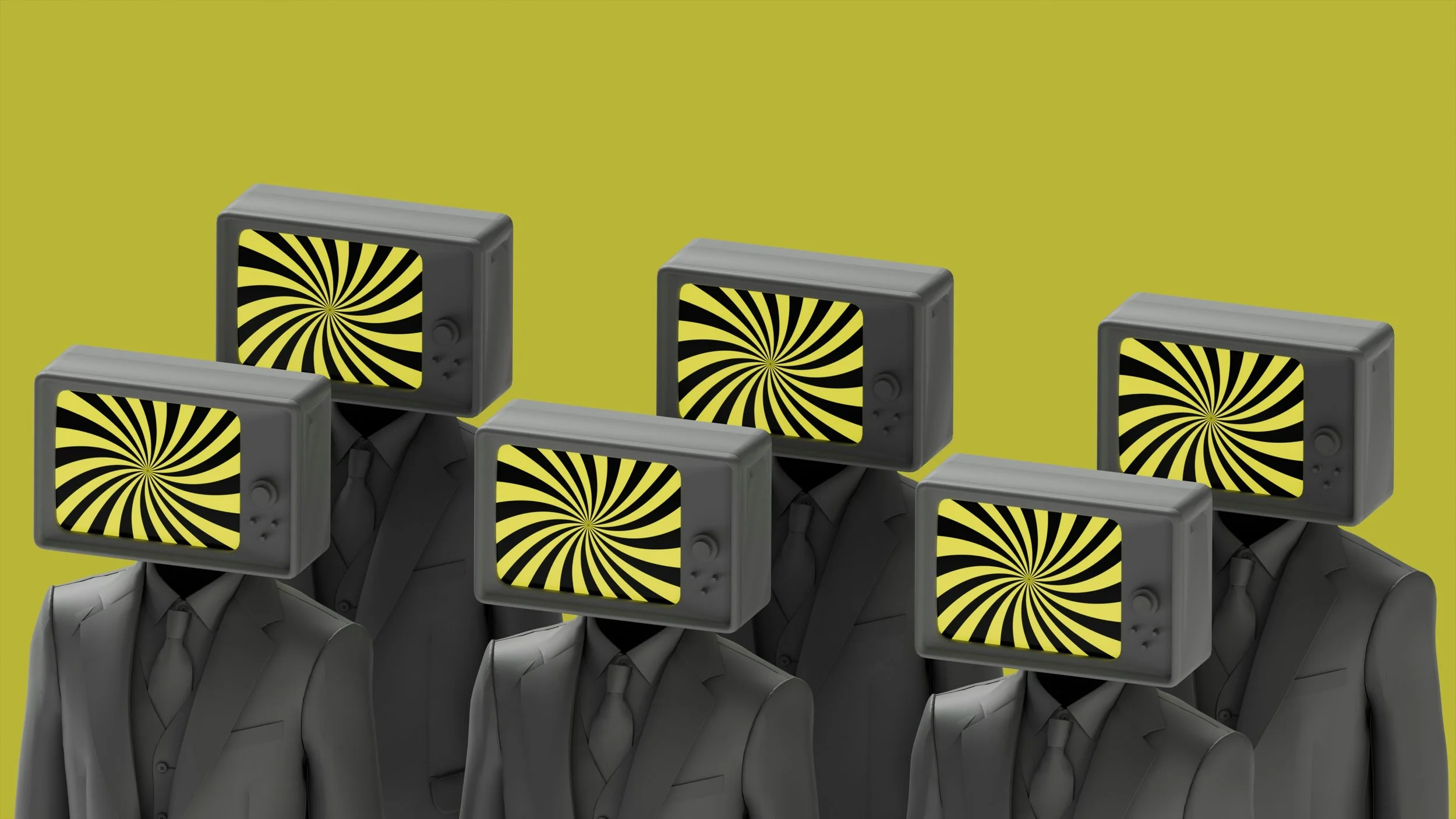
And how people are feeling right now is pretty simple: overwhelmed, skeptical, and tired. Tired of being told what to think. Tired of being yelled at. Tired of every issue being framed as the most urgent crisis of their day.
At the same time, AI has made it incredibly easy to produce more creative than ever before. Faster turnarounds. Infinite variations. Endless content. None of which automatically makes the work more effective.
Heading into 2026, the question isn’t whether the work gets made. It’s whether what we make actually connects with the people we’re trying to reach.
Here are five creative shifts I see reshaping public affairs work right now. Not trends in the aesthetic sense, but changes in how effective campaigns are being conceived, designed, and measured.
1. Connectioneering: Designing for Empathy Before Persuasion
I didn’t coin the term “Connectioneering.” I first came across it in creative trend reporting from Adobe, and it stuck because it put language to something we were already feeling in the work.
Public affairs has historically been very good at “making the case”, but it’s been less consistent at making people feel seen. Connectioneering flips that order. Instead of leading with arguments, it starts with emotional recognition. It asks whether the audience feels understood before asking them to agree. It designs campaigns around lived experience rather than abstract positioning.
That doesn’t mean abandoning facts or seriousness. It means grounding those things in human reality.
The most effective campaigns I’ve seen recently don’t try to win debates. They create moments where someone thinks, “Yeah… that feels true.” And from there, everything else becomes easier.
2. Anti-AI Brand Strategy (Even While Using AI Every Day)
AI is fantastic at execution, but most everyone can agree: it’s not a substitute for judgment. By 2026, nearly every creative team will be using AI in some form. Layouts, resizing, versioning, first drafts, production support…all of that will be normal. Where brands will get into trouble is letting AI drift upstream into strategy.
Public affairs work lives in nuance. In knowing when not to say something, or when to say it differently than the obvious way. Those are human decisions, shaped by experience and consequence. The strongest brands won’t reject AI tools. They’ll be very intentional about where AI stops and human judgment starts.
In a world full of competent content, discernment becomes the differentiator.
3. Story Comes Before the Deliverables
One of the most common problems I see in campaigns is that the creative starts too late. Teams jump straight to ads, social, or video without fully pressure-testing the story underneath. The result is a lot of activity that feels disconnected or overly tactical.
Borrowing a page from entertainment and narrative design helps here. Strong stories are obsessed with clarity: who this is about, what’s at stake, what changes if the story works. When you apply that discipline to public affairs, the work gets sharper fast. Before any new campaign, The Herald Group team (digital, creative, strategy, etc.) asks questions like;
Who is the audience meant to relate to?
What tension are we acknowledging instead of ignoring?
What does success actually look like in human terms?
When those questions are answered early, the creative doesn’t just look better…it holds together across channels and over time.
4. Creative as a Strategic Partner, Not a Downstream Service
The role of creative in public affairs is changing, whether organizations acknowledge it or not. Execution alone is no longer enough. The most valuable creative teams are used as part of the solutioning to a campaign and are involved while the brief is being finalized, not after. They help define the problem, not just visualize the solution.
This isn’t about ego or territory. It’s about effectiveness. When creative thinking is introduced earlier, campaigns waste less time, avoid costly rewrites, and make clearer decisions about what actually matters. Creative becomes a filter, not just a finish.
The teams that thrive in 2026 will be the ones trusted to shape direction, not just decorate it.
5. Designing for Joy in an Exhausted World
This one feels increasingly important. Public affairs has relied heavily on urgency, outrage, and fear to grab attention. And to be fair, those tools worked for a long time and still can in the right circumstances. But by only relying on this tactic, you are not acknowledging that people aren’t just polarized right now, they’re exhausted.
That’s why more campaigns are starting to experiment with something that used to feel risky: joy. Not joy as distraction, or humor that undercuts seriousness. Instead campaigns that stand out use small, human moments that give people a break from the constant drumbeat of conflict. This can be a visual or witty line that makes someone smile, an unexpected point of view or a tone that feels calm instead of confrontational.
In an environment optimized for rage-baiting, warmth stands out. And sometimes the most effective way to earn attention isn’t to escalate…it’s to offer a moment of relief.
Where This Leaves Us
Taken together, these shifts point to a broader change in public affairs creative. In 2026, I think we’ll see less noise and more intention. Less automation driving meaning, and more humanity shaping strategy.
AI will continue to make execution faster. Audiences will continue to raise the bar for trust. The campaigns that work will be the ones that respect people’s emotional reality as much as their intellect.
And in our opinion at The Herald Group, that’s not a trend. That’s just good creative.