Communications Preparation for Congressional Scrutiny is Non-Negotiable

A shift is coming to Washington, and most corporate legal teams are not preparing for it in the right way.
With Democrats widely expected to retake the House this fall—and possibly the Senate—the oversight environment is expected to shift significantly, and that shift will not be limited to the Trump administration itself. It will extend outward to companies, institutions, and outside actors perceived to have benefited from proximity to the President.
For some businesses, that could mean hearings, document requests, or subpoenas. For many more, it will mean something just as consequential: being pulled into a broader public narrative they do not control.
A critical mistake a company can make is treating that risk as only a legal concern. It is both a legal issue and a communications issue.
A company can quickly be cast into a broader public story once it’s under investigation —often with little time to control the narrative. What may begin as oversight can quickly become a referendum on the company’s judgment, values, and decision-making. That is why smart companies should be preparing now—and treating this as an issue beyond the hearing room.
Why can this become a communications issue so quickly?
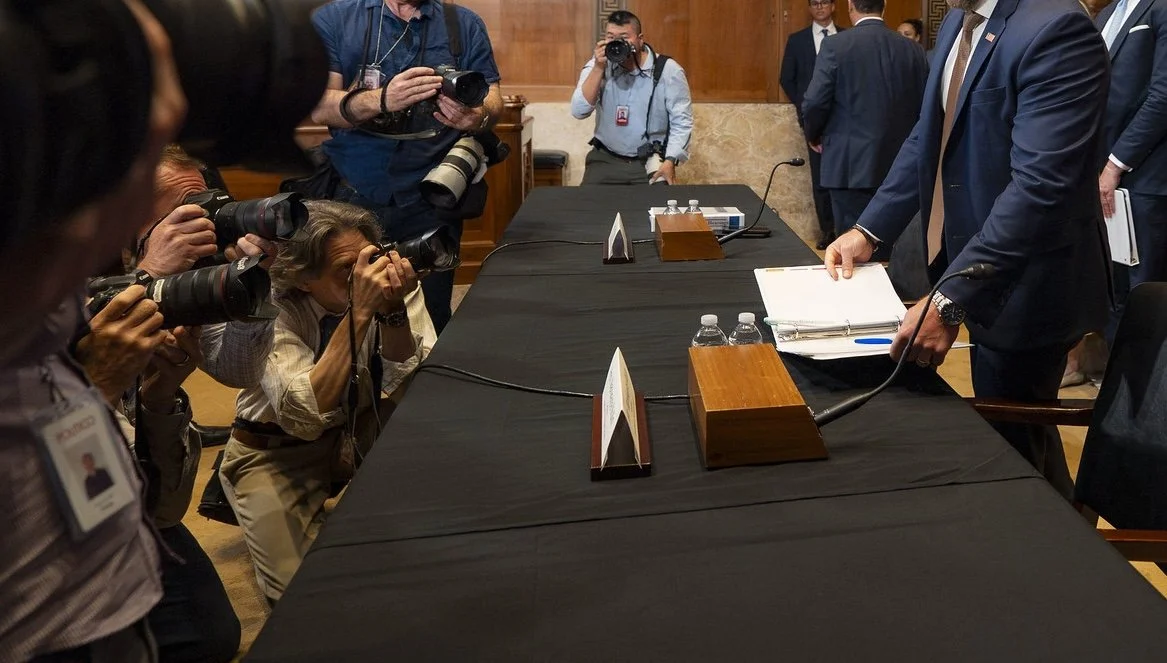
Lawyers are trained to respond to formal processes. Those instincts are essential and non-negotiable. But, congressional scrutiny does not operate on a closed legal timetable. It unfolds in public, often through selective facts, aggressive framing, partial disclosures, and fast-moving media narratives.
By the time a subpoena arrives, and the hearing date is set, the perception battle may already be underway.
A company can make every correct procedural decision and still lose the narrative fight. It can comply fully and still appear evasive. It can face no formal liability and still suffer real reputational damage. Silence, delay, or overly legalistic language can create a vacuum that critics, competitors, or political opponents are eager to fill. That gap is why communications must sit alongside counsel from the very beginning.
In Washington, a committee letter is rarely read only by the recipient. It is also read by reporters and other stakeholders looking for a signal that a company may be part of a larger political narrative. That multi-audience reality is exactly why companies need to think early about who they may need to communicate with—and how those messages should differ by constituency. That is why scrutiny can escalate so quickly from an oversight matter to a reputational challenge.
Companies need more than a legal response plan. They need the right spokespeople and a strategy to advance the organization’s message. In some cases, that means targeted digital outreach to ensure messages are heard at the right time. In other instances, it may require activating third-party groups or surrogates to reinforce key messages and create an echo chamber. In either case, the goal is to ensure priority audiences hear the company’s side of the story before a negative narrative hardens.
What companies should be doing now
The organizations best positioned for the next congress are preparing before there is any formal inquiry. There are already reports suggesting that Democrats will use their oversight powers aggressively should they take Congress this fall. Now’s the time to get ahead.
Companies need to assess political vulnerability. That starts with a digital audit and ongoing scraping to identify potential vulnerabilities and serve as an early warning system for emerging risks. It also means reviewing business lines, contracts, partnerships, regulatory wins, pricing decisions, public policy positions, executive relationships, and any visible ties that could be interpreted as political favoritism or strategic closeness to Trump-world actors.
They need to test whether their public story and internal record actually align. Many crises do not begin with a bad fact. They begin with a mismatch between what the company has said publicly and what internal materials, emails, or decision trails may suggest under scrutiny.
Map stakeholders—internally and externally. Employees, customers, investors, partners, regulators, and elected officials will each interpret developments through their own lens and incentives—and each can influence the narrative in different ways. A rigorous stakeholder map helps communications teams anticipate where pressure will come from, identify who needs to hear what first, and tailor the messages and tone by the intended audience rather than relying on a one-size-fits-all response.
Companies need a genuine cross-functional response structure. Legal should lead, but not act alone. Communications, government affairs, executive leadership, investor relations, and outside counsel or advisors must be integrated appropriately. The most challenging moments are usually not about producing a document. They are about deciding how the organization will, or will not, respond publicly, whom it needs to reassure first, and how to avoid creating a second crisis through confusion or inconsistency.
Companies should be pressure-testing scenarios now. What happens if a committee sends a letter? What happens if a hearing invite leaks before the company is ready? What happens if a politically charged phrase takes hold online? What happens if employees hear about the issue from the press before they hear about it internally? If you have not rehearsed these moments, you will be managing them in real time, at a disadvantage.
How public affairs can shape perception early
The best public affairs teams do more than react to scrutiny; they help shape the environment. That includes stakeholder mapping, message testing, leadership preparation, third-party engagement, and understanding which audiences matter most in the earliest phase of a controversy.
A strong public affairs strategy helps a company communicate with discipline across all audiences without appearing fragmented. Most importantly, public affairs addresses a reality that legal teams alone cannot solve: reputation is often decided before the formal process is complete.
Conclusion
A congressional investigation should not be treated as merely a legal issue. It is a communications, stakeholder relations, and leadership issue. The companies best positioned for the next Congress will not be the ones that wait for a subpoena to take this seriously. Companies that integrate legal and communications now have a chance to define themselves.
###
The Herald Group is a public affairs firm specializing in litigation communications, legal reform, and high-stakes reputation management. For more information, contact us at theheraldgroup.com.