The Best Time to Build Media Relationships is Before the Pressure Hits


Many organizations across a wide array of industries still view media relations as a last-minute tactic when something goes wrong.
For example, when a negative story is gaining momentum, or an inside policy fight turns public, media outreach suddenly becomes urgent—and there’s a strong desire to engage the press to shape the narrative before the crisis damages the organization’s reputation.
By the time the crisis hits, the damage has already been done, and any media strategy at that point is purely damage control.
The organizations that are best positioned in high-pressure moments are rarely the ones scrambling to introduce themselves to reporters for the first time in a crisis moment. More often, they are the ones who have treated media relations as a sustained strategy long before the crisis arrives.
Media Relations Is About More Than Pitching Stories
Too often, media relations is viewed in transactional terms: place the story, respond to the inquiry, move on.
But a strong and sustained media relations strategy does much more than generate coverage. It builds familiarity with reporters, and it establishes credibility over time. It creates a track record that says your organization is informed, responsive, and worth calling when an issue starts developing—putting your organization at the center of how the narrative takes shape.
That matters because journalists are not just looking for quotes. They are looking for sources who can help them understand what is happening, why it matters, and what context their audience needs. Organizations that consistently provide that kind of value are more likely to become trusted sources.
That is the real long game in earned media. It is not simply getting your name into a story. It is building the kind of press relationships that make your perspective relevant when the stakes are higher.
Why Press Relationships Matter During a Crisis
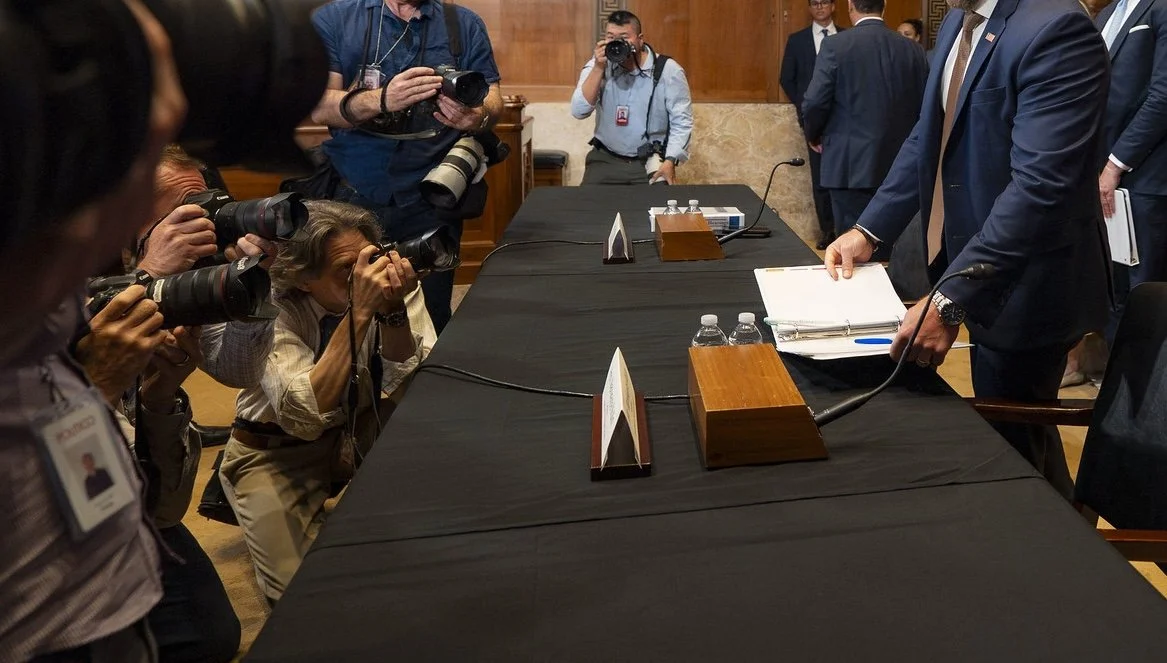
When news breaks, everything compresses. Reporters move quickly, and deadlines get tighter. What’s more, in the age of instant information, every second matters in a crisis.
In those moments, journalists are more likely to turn to trusted sources they already know rather than unfamiliar sources who are making a first introduction under pressure. That is why pre-existing press relationships matter so much. They can determine whether your organization gets a chance to provide and shape context early or is forced to react after the narrative has already taken shape.
When reporter relationships have already been established, they are more likely to take the call, ask for your perspective, and include context that might otherwise get lost. That can help shape a story earlier, correct bad assumptions faster, and improve the quality of earned media coverage when the stakes are highest.
Of course, it should be stated that no media relations strategy can guarantee favorable coverage. That is not the point. The point is that existing credibility improves your odds of being heard, understood, and treated as a trusted source rather than a last-minute voice trying to play catch-up.
The Cost of Waiting Until a Crisis
The problem with reactive media relations is not just that it is harder. It is that reporters can usually tell exactly what is happening. Cold outreach during a crisis often reads like what it is: damage control.
Even when the message is sound, the messenger may not carry much weight if there is no prior relationship behind it.
That is where many organizations miscalculate. They invest in crisis communications plans, holding statements, talking points, and approvals, all of which matter. But those tools cannot replace the trust that arguably should have been built over the years.
A crisis communications plan is important and helps organizations to stay prepared when something goes wrong. But it is just not enough on its own. If relationships with the media haven’t been credibly established before the pressure hits, it is much harder to earn confidence in the middle of it.
Why a Sustained Media Relations Strategy Matters in Public Affairs
Over time, media coverage can shape how policymakers, staff, regulators, advocates, and outside stakeholders interpret an issue.
It can affect whether an issue looks urgent, credible, controversial, politically risky, or worthy of broader attention. It can reinforce momentum or create new scrutiny. In some cases, it can change the operating environment around a legislative, regulatory, or reputational challenge.
That is why media relations should not be a sideline strategy but rather the crux of an organization’s playbook.
Trust Has to Be Built Before You Need It
The bottom line is that media relations is not a nice-to-have but is much needed. It is an essential part of how organizations build credibility, influence public perception, and prepare for scrutiny before a high-stakes moment arrives.
The best media relations strategies are built in the quieter periods, when there is time to develop personal relationships, offer useful background expertise, and establish credibility without the fire-drill of a crisis. That work may feel less urgent in the moment, but it is often what determines whether an organization can weather a storm.