
Insights from the Digital Media and Advocacy Summit

Todd Van Etten
Our Digital team just attended The Digital Media & Advocacy Summit focusing on the intersection of digital media and public affairs. They are continually keeping an ear to the ground and this was a great opportunity to discuss trends in the industry, identify opportunities to test new tactics, and fold them into our ever evolving playbook. While rich in variety, two major developments seemed to be top of mind for attendees and panelists alike.
The first is the use of influencers for advocacy marketing. Dozens of companies have sprung up in the past few years that focus on just that: identifying, engaging, and working with social media personalities with large followings, and having them post content that's favorable to a client or cause.
These companies run the gamut from those that work with “mega influencers” with millions of followers and require zero disclosure when promoting a cause, to those that focus on particular sectors and seek accounts with >100k dedicated fans. Some even allow you to only pay for results, and only compensate the influencer when their followers take a desired action.
The second hot topic was AI, and how it's seemingly being integrated into every product, platform, and tool in the advocacy space. While it provides an immense amount of value, the bulk of the conversation was around regulation and how advertising platforms will stop the spread of fake images and misinformation. On this there were lots of questions and discussion, but very few answers.
At THG we're well versed in both of these topics, and regularly use both influencers and AI to help achieve client goals.
Other Thought Leadership
Reddit and other online forums can reveal where an issue is taking shape, which narratives are spreading, and when an informal conversation is becoming a public affairs threat.

Unconventional public affairs advocacy tactics can make an issue impossible to ignore by using targeted activations to reach decision-makers, create earned media opportunities, and strengthen every element of a broader public affairs campaign.

Research alone rarely drives action. Learn how to translate complex data into compelling stories, reach key decision-makers, and build a public affairs strategy that ensures your findings land.
In litigation, regulatory investigations, and reputational crises, organizations often find themselves trapped between two competing realities: legal counsel wants to minimize risk, while stakeholders want answers. Here’s how to communicate when you cannot share the whole story.
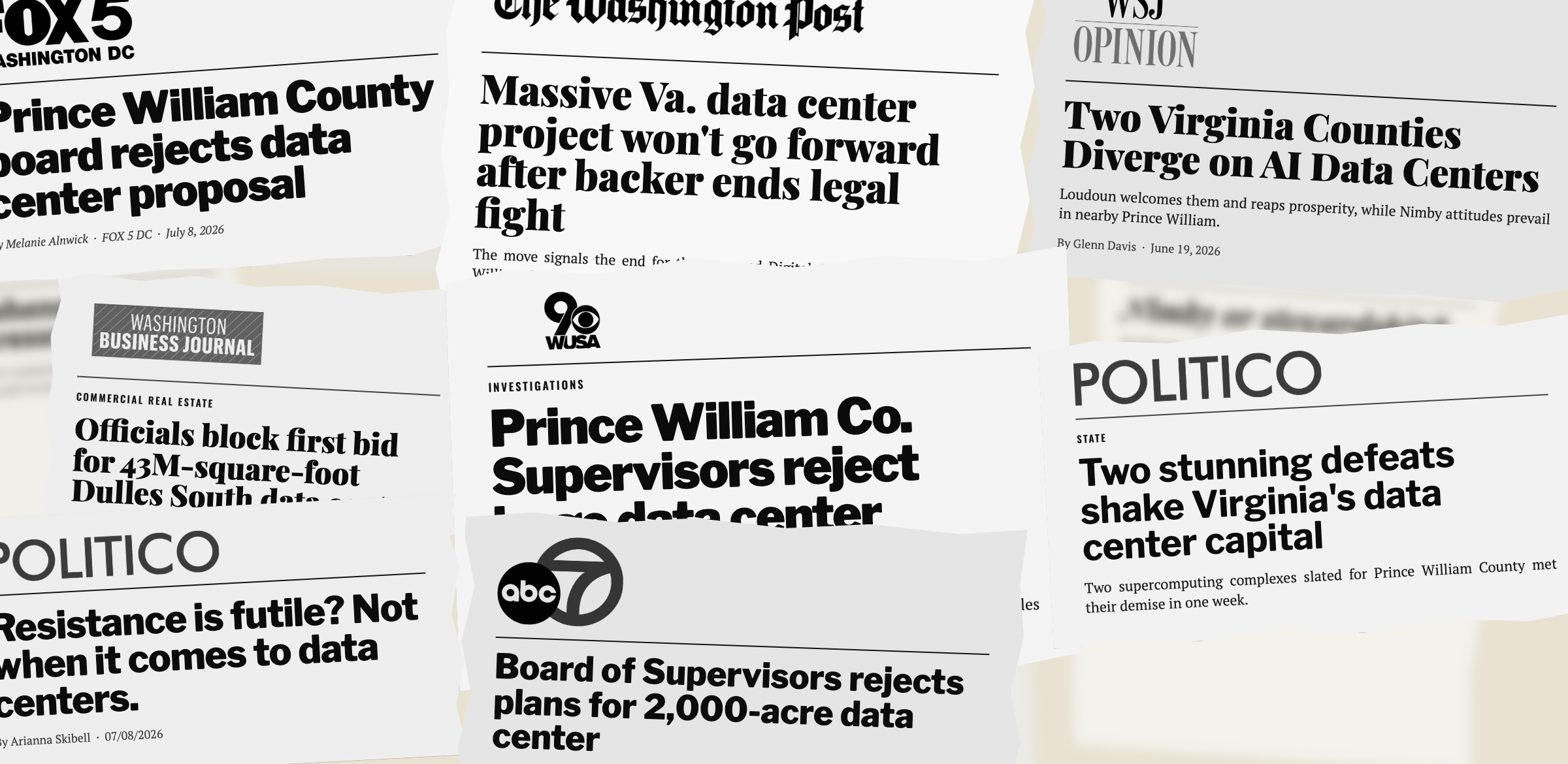
Prince William County’s data center votes aren’t the end of the industry. They’re a reminder that communities need more than facts and figures. They need to understand what these projects mean for their future and why they should welcome them.
SCOTUS ruling reshapes campaign spending, giving party committees new leverage and changing how corporate advocacy teams plan for 2026.

Mergers are no longer judged on financial merits alone. Public affairs strategy is essential to defining the narrative, managing scrutiny, and moving stakeholders toward approval.

Most organizations have no idea what AI engines say about them — and that blind spot is costing them. As AI visibility becomes the new first impression for journalists, staffers, and advocates, the stakes have never been higher.
A congressional investigation is never just a legal matter. Companies that prepare now—with legal, communications, government affairs, and stakeholder teams aligned—will be better positioned to protect their reputation before a negative narrative takes hold.

Modern advocacy requires more than a strong lobbying strategy or broad public awareness campaign. To drive real policy outcomes, organizations need a synchronized inside-outside game that pairs Capitol-level strategy with constituent-driven pressure.

Most organizations treat media relations as a crisis tactic—but the ones that weather storms best build press relationships long before trouble hits. Here's why a sustained media strategy is essential in public affairs.

As AI floods the information landscape, policymakers struggle to know who to trust. Here's why strategic alliances with credible third-party voices have become a defining advantage in public affairs.
The public affairs landscape in 2026 looks nothing like it did two cycles ago. Here's what practitioners need to understand—from the midterm environment to state-level fights to media fragmentation.

AI is reshaping public affairs workflows—but speed alone doesn't drive outcomes. Here's how to integrate AI intentionally without losing the strategy, relationships, and credibility that actually move the needle.

The era of top-down messaging is over. Here's how public affairs professionals can earn attention, build trust, and drive real outcomes in today's decentralized media landscape.

In a world of AI-generated content and exhausted audiences, public affairs creative has to work harder to connect. Here are five shifts reshaping what effective campaigns look like in 2026.

Election years don't eliminate the ability to change the narrative—they change what it takes. Here's what public affairs teams need to understand about winning in a compressed 2026 midterm environment.

At the University of Houston’s Energy Transition: Winds of Change symposium, it was clear that we are not in an energy transition, we are in the midst of an historic energy transformation that will be only possible through the partnership of public policy, industry and local communities.
The lame duck session provides special opportunities to reach decision-makers and make your messages heard loud and clear. The Herald Group’s latest blog highlights effective tactics for making an impact during the lame duck session and setting the stage for next year.

An effective digital grassroots campaign can be a critical element of a “surround sound” strategy that helps your issue break through the noise on Capitol Hill. VP Sharon Copeland shares three keys to bringing your programs to the next level.
Breaking through during election season is harder than ever—but with the right budget, timing, messengers, and media mix, it's possible to cut through the noise and drive real impact.