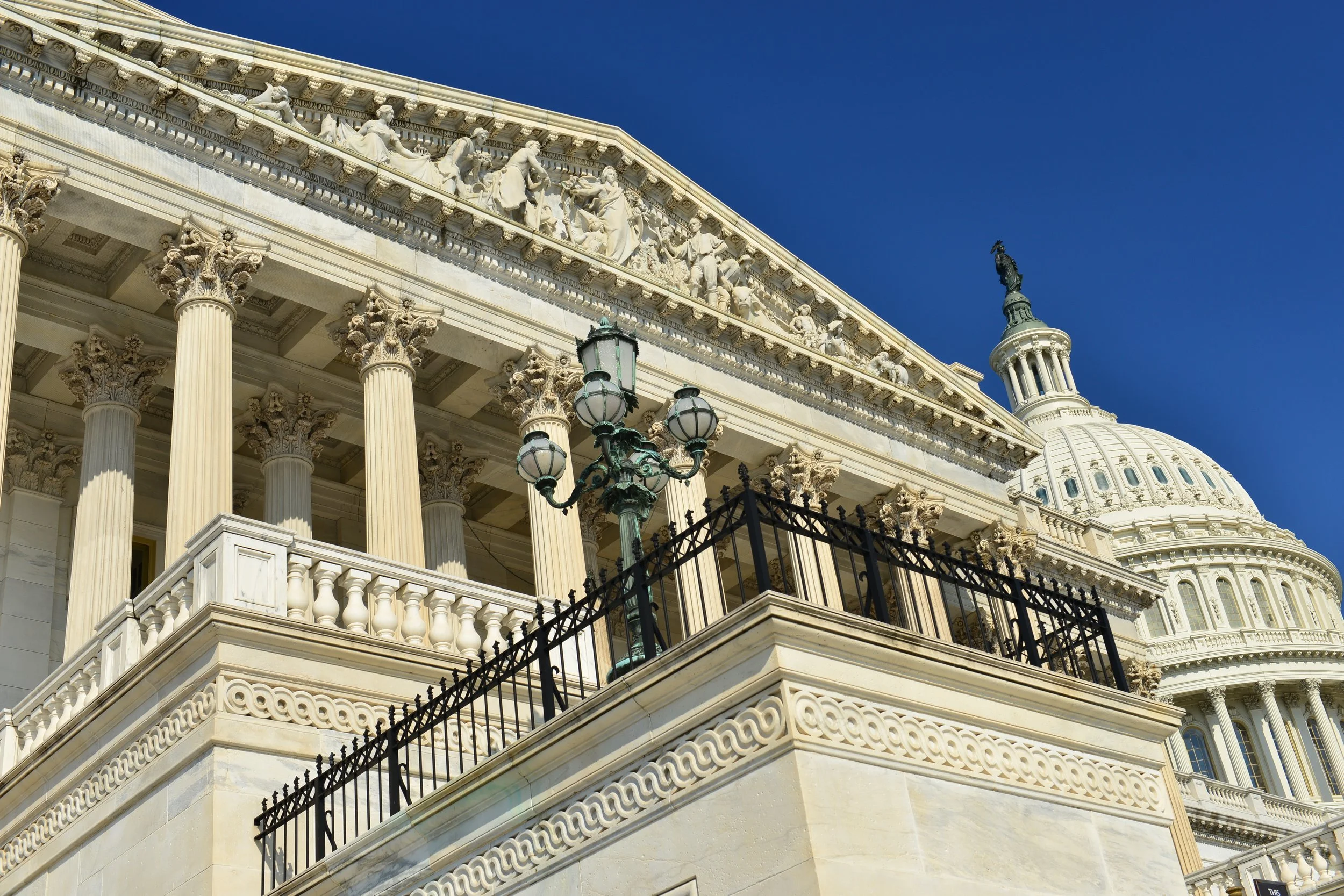
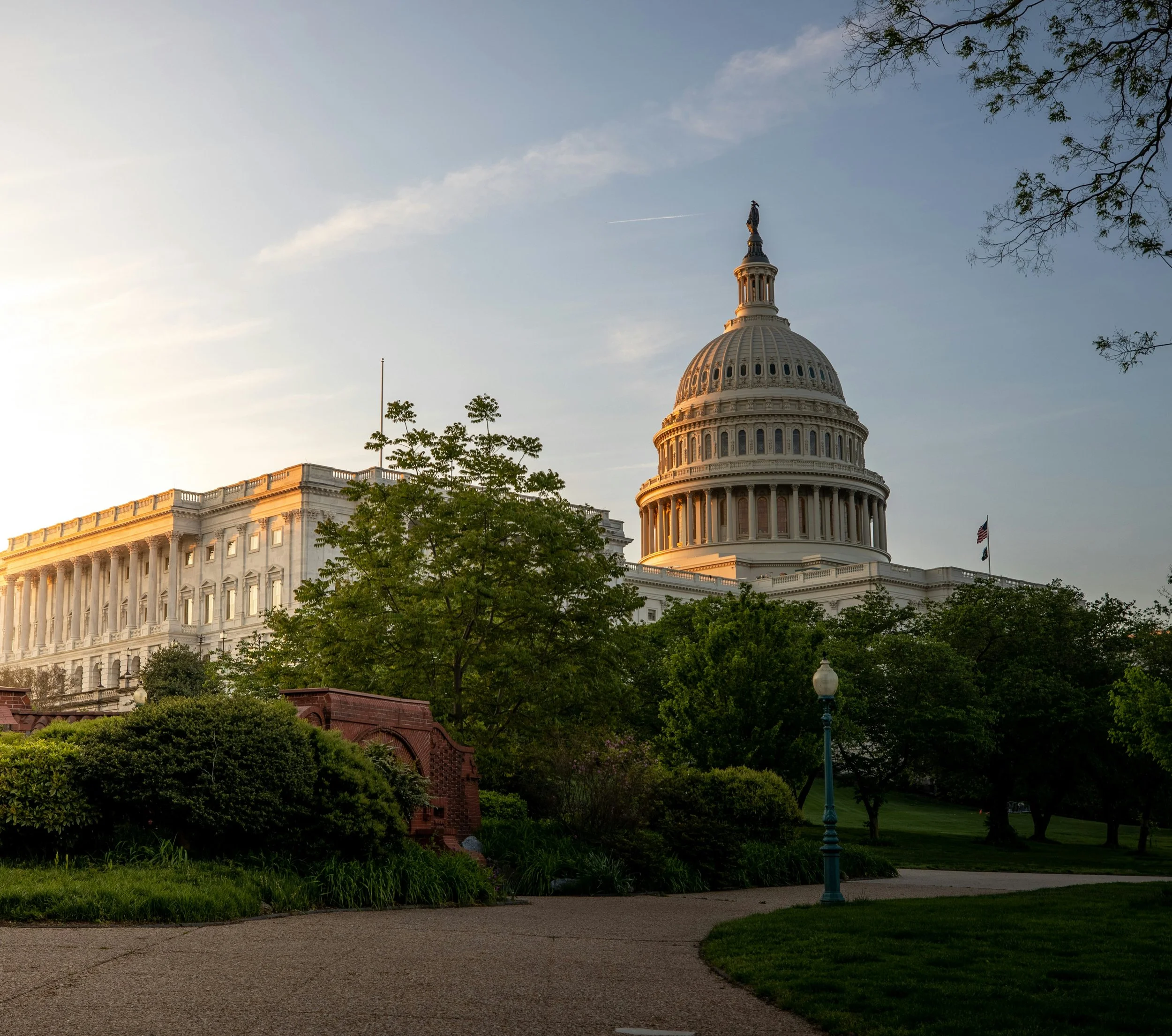
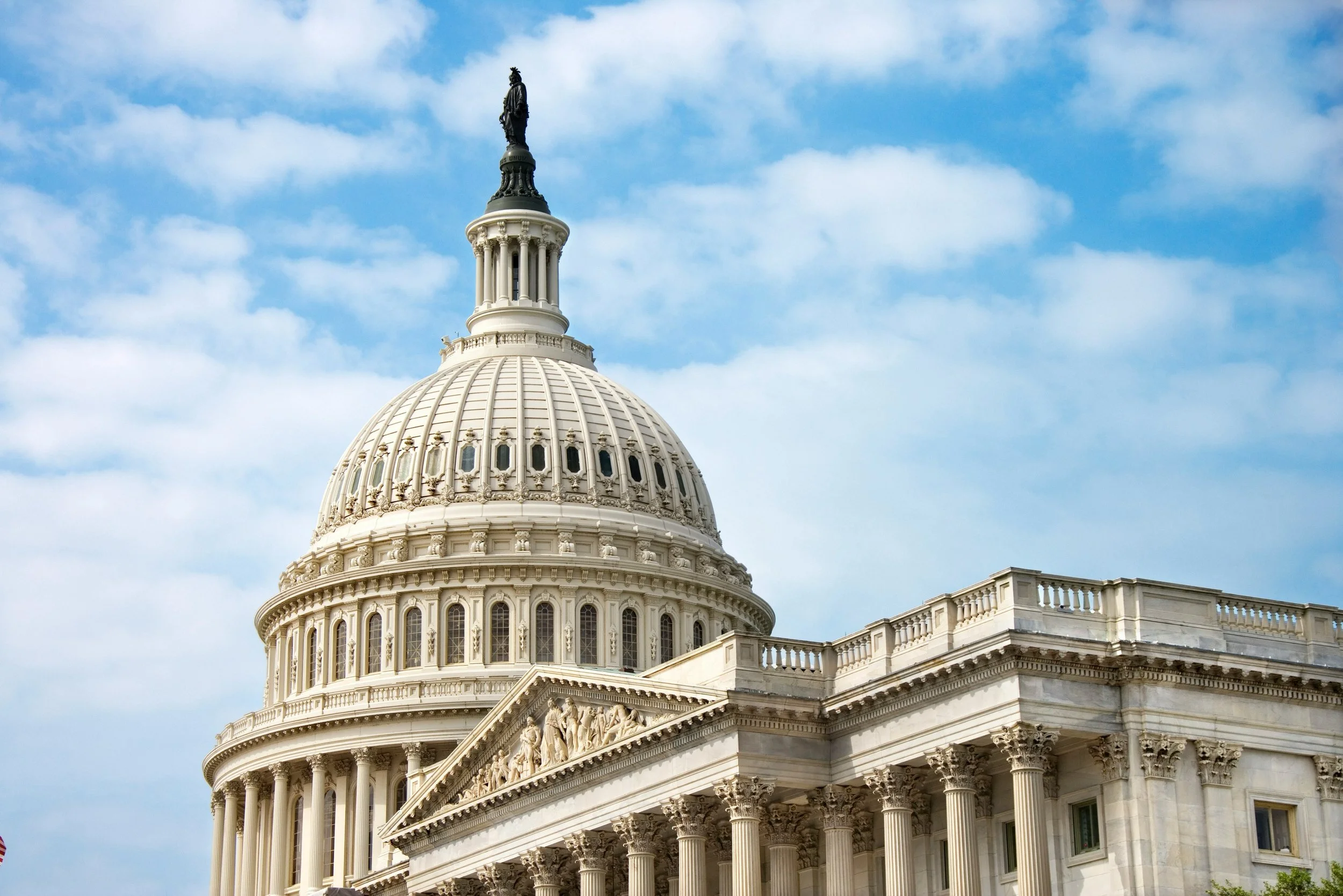
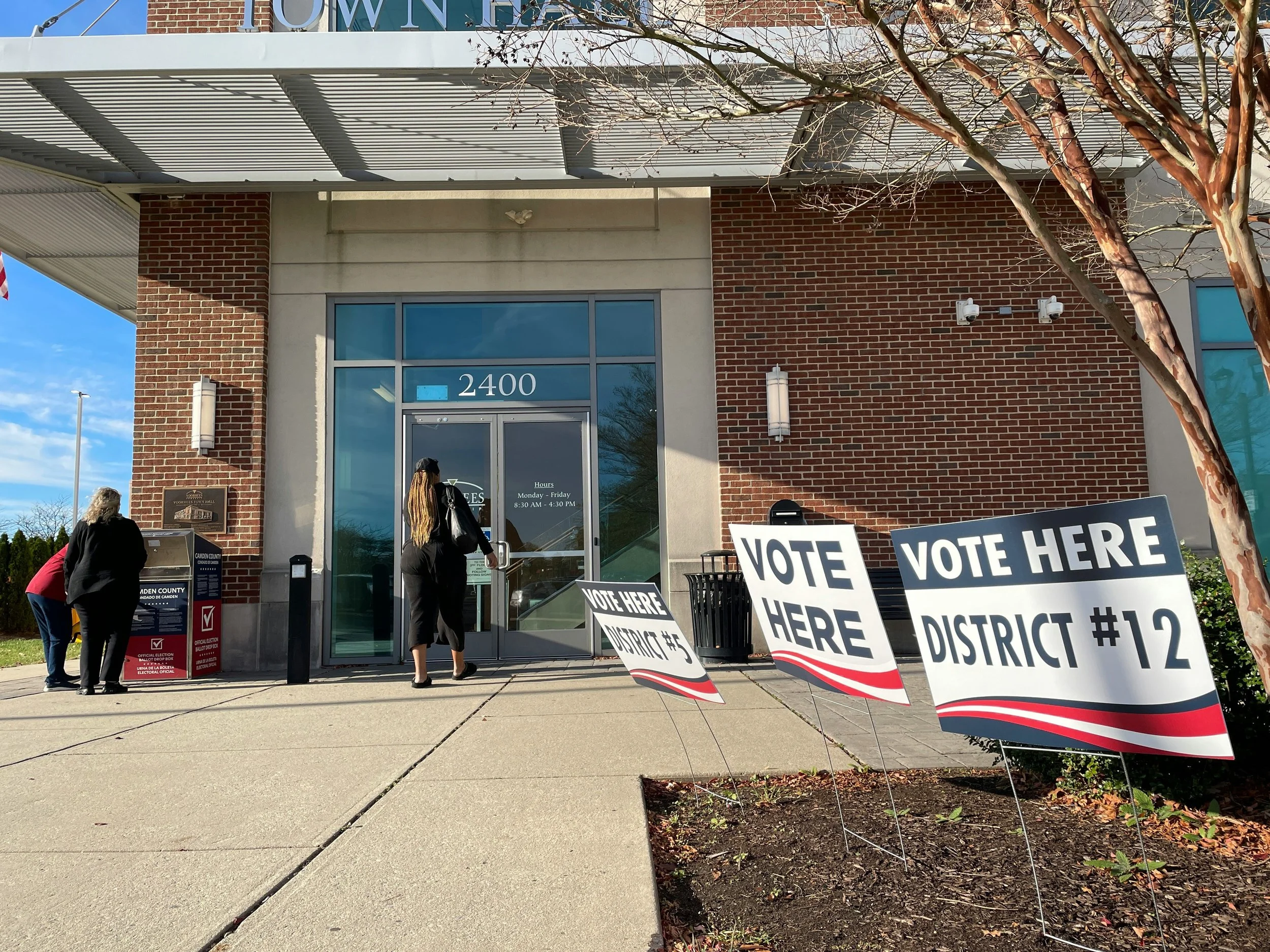
The 2026 midterm elections have brought significant changes to Capitol Hill. With Democrats securing control of both chambers and substantial congressional turnover, the 120th Congress will bring new lawmakers, changing committee leadership, and a different set of legislative and oversight priorities.
For organizations with interests before Congress, this transition is an important opportunity to build relationships and introduce priorities before the new Congress convenes in January.
Newly elected members are hiring staff, exploring committee assignments, and determining their legislative priorities. At the same time, businesses, associations, and advocacy organizations are competing for their attention.
Those that begin engaging now can establish themselves as trusted resources before incoming offices become consumed by the demands of governing. But effective new member education requires more than introductory meetings. It takes a coordinated approach that combines political intelligence, local relationships inside congressional districts and states, strategic communications, and sustained engagement.
Here are 12 tactics organizations should consider as they prepare for the 120th Congress.
Know Who Matters—and What Matters to Them
Effective congressional engagement starts with understanding the policymaker, not simply delivering an organization's existing policy agenda. Incoming members bring different backgrounds, constituencies, priorities, and levels of familiarity with the industries they will oversee.
Build member-elect intelligence profiles. Identify priority lawmakers and research their policy positions, public statements, backgrounds, committee interests, key advisors, and influential district relationships. Use this intelligence to determine where meaningful connections already exist and how best to approach each office. What did they campaign on (and what did they promise to their constituents )?
Develop tailored new member education materials. Create concise, accessible materials introducing the organization, its industry, and the issues likely to emerge in the 120th Congress. Connect national policy priorities to district- and state-specific data, including jobs, investment, and constituent impacts.
Start in the District, Not Just Washington
While incoming lawmakers are preparing to work in Washington, their political priorities remain rooted in the communities they represent. An organization's local footprint can provide a more compelling introduction than a traditional policy briefing.
Launch in-district outreach. Map facilities, employees, association members, suppliers, and community partners across priority districts. Leverage those connections to facilitate introductory meetings with members-elect and district staff before they arrive in Washington.
Organize site and facility visits. If applicable, invite incoming members to experience an organization's operations firsthand. Facility tours can connect complex federal policy issues to local jobs, economic activity, and constituents while creating opportunities for direct engagement with employees and community leaders.
Activate trusted grasstops and local leaders. Identify respected business, civic, and community voices who can independently communicate the importance of an issue. Local stakeholders can reinforce an organization's relevance through meetings, direct outreach, letters, and local media.
Build Visibility Beyond the Meeting Room
The competition for attention during a congressional transition is substantial. Organizations cannot rely on a single introductory meeting or policy packet to establish familiarity.
A coordinated communications strategy can reinforce direct engagement by reaching incoming members and staff through the information channels they already use.
Launch targeted digital education campaigns. Develop a sequenced strategy that introduces the organization before shifting toward specific policy priorities. Paid digital advertising (including new AI ad opportunities), search, and geographically targeted placements around new member orientation can reinforce awareness during the transition.
Invest in high-visibility Washington advertising. Consider placements at airports, Union Station, transit hubs, and other locations frequented by incoming lawmakers and staff. Creative out-of-home advertising, Beltway publications, and trade media can help establish name recognition during orientation.
Drive earned media and thought leadership. Develop timely commentary addressing what the 120th Congress needs to understand about an industry or issue. National, local, and trade media coverage can establish credibility while providing educational content to share with incoming offices.
Engage national third parties and outside voices. Industry experts, associations, coalition partners, and other credible organizations can provide independent perspectives through briefings, op-eds, coalition letters, and their own communications networks.
Optimize visibility across AI tools and large language models. As AI becomes an increasingly common research tool, organizations should evaluate how their industry and policy positions appear in AI-generated answers. Identify inaccuracies, strengthen authoritative website content, and build credible third-party sources that can improve the information available to researchers.
These tactics are most effective when coordinated around a consistent narrative. A local facility visit, for example, can generate earned media coverage, provide material for digital communications, and introduce members to trusted community stakeholders.
Each activity should reinforce the others.
Turn Early Awareness Into Sustained Engagement
The transition period should be the beginning of a longer relationship-building effort, not a standalone campaign. As the new Congress convenes, organizations should move from broad introductions toward substantive policy education.
Host a new member event or activation. Create opportunities for incoming members and staff to engage outside traditional policy meetings. Receptions, educational briefings, or creative industry-specific experiences can provide memorable introductions to an organization and its stakeholders.
Organize an early congressional fly-in. Bring employees, association members, and other constituents to Washington to meet with new offices. Focus conversations on a limited number of priority issues, supported by local perspectives and clear educational materials.
Organizations should also prioritize relationships with congressional staff, who play an essential role in researching issues, evaluating information, and shaping legislative priorities.
The Window Won't Stay Open
The transition to the 120th Congress creates a finite window to establish relationships before legislative agendas, committee priorities, and policy positions become more firmly established.
Successful new member education is not about reaching every incoming lawmaker with the same message. It is about identifying the offices that matter, understanding their priorities, demonstrating local relevance, and reaching them through multiple credible channels.
Organizations that begin this work now can enter 2027 with a clearer path to long-term success than those that do not.
The Herald Group is a bipartisan public affairs firm that helps organizations navigate complex policy environments and engage the decision-makers who shape them. Through integrated strategic communications, digital advocacy, and third-party and local stakeholder engagement, THG helps clients educate policymakers, build relationships, and advance their priorities. Contact us to discuss how your organization can prepare for the 120th Congress.