
Making an Issue Impossible to Ignore

Brad Whitford
Most advocacy campaigns fight for attention using the same tactics as everyone else. Lobbying, media coverage, digital ads, constituent emails—policymakers are buried in all of it, every day.
All of these are necessary for every public affairs campaign. But sometimes, the message fails to break through. So, why do some issues break through while others disappear into the noise?
The answer often is not a bigger budget or a bolder message. It's an unexpected approach that makes the entire campaign more visible and unavoidable. Think about a food truck on Capitol Hill, a sculpture in a lawmaker’s home district, or an installation steps from the National Mall.
These tactics, combined with other elements of an advocacy campaign, bring the issue directly into the target audience’s personal world, making it hard to ignore—and for good reason.
What are ‘unconventional tactics’ in public affairs?
Unconventional tactics are campaign solutions that fall outside the traditional public affairs playbook. They may not be the first tactics that come to mind when building an advocacy campaign, but they can be just as important as lobbying, earned media, digital advertising, and grassroots engagement.
These tactics bring a policy issue into the places and moments that matter to decision-makers, transforming an abstract debate into a visible experience that generates attention, clarifies the stakes, and prompts action.
A successful activation begins with the audience and objective: Who must see the message, what should they do, and where and when will it matter most? That discipline separates an effective activation from a publicity stunt. The execution may be unexpected, but it must reinforce the message and advance a specific policy goal.
Why it Works
Unconventional advocacy reaches people where they do not expect to encounter the message, putting the issue directly in the path of those who can influence its outcome.
Location is part of the strategy. For example, a food truck on Capitol Hill was positioned to create an informal setting where advocates could speak directly with congressional staffers, distribute one-pagers, answer questions, and engage policymakers and their teams as the decision approached.
Unconventional advocacy also prioritizes precision over scale. An activation built around one committee, district, vote, or deadline brings the issue into the spotlight and complements the other tactics, helping create the “surround-sound” approach.
It also creates attention a lawmaker truly can’t ignore; they might be asked about the issue at a press conference or by a reporter because “the issue seems to be all over social media and the news,” and a comment is likely required given the scale of the success.
Just One Part of the Strategy
These breakout moments should not operate alone. Unconventional advocacy gives lobbying, grassroots mobilization, and third-party engagement a shared focal point.
Before the activation, audience research and message development should inform the concept. Stakeholder mapping will show where the right decision-makers are and when they are the most persuadable.
Afterward, content and coverage can extend the moment: local leaders can talk about the activation in meetings with policymakers, the coverage can drive constituents to send letters to lawmakers via a grassroots campaign, and government affairs teams can connect that pressure to policymakers. And paid digital ads can ensure lawmakers keep seeing the messages.
One activation can become a media hook, content engine, recruitment opportunity, and policymaker pressure point. That is the full surround sound approach: coordinating every tactic around the same objective.
The goal is a strategically placed moment that makes the entire campaign more visible, credible, and difficult to dismiss. The unexpected idea earns attention. The integrated campaign turns it into action.
The Herald Group builds full-scale advocacy campaigns designed to make complex issues impossible for the right audiences to ignore. By integrating unexpected activations with earned media, digital, grassroots, third-party engagement, and government affairs, we turn attention into action and help move decision-makers. Get in touch.
Reddit and other online forums can reveal where an issue is taking shape, which narratives are spreading, and when an informal conversation is becoming a public affairs threat.
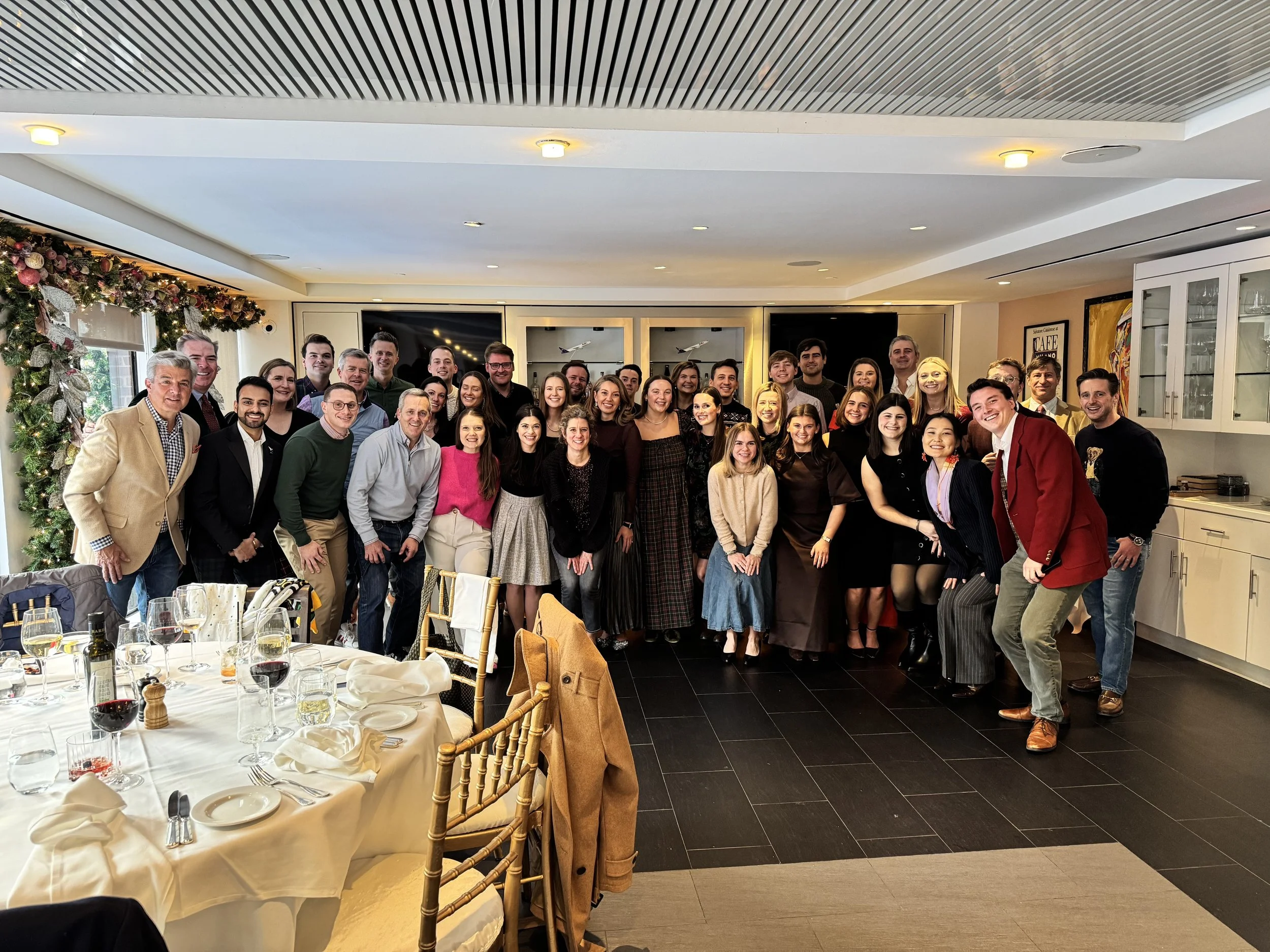
Recognition reflects the firm’s commitment to employee growth, mentorship and a collaborative culture.

Unconventional public affairs advocacy tactics can make an issue impossible to ignore by using targeted activations to reach decision-makers, create earned media opportunities, and strengthen every element of a broader public affairs campaign.

Veteran Advocacy Executive Joins THG Leadership Team and Adds Further Depth to Firm as 15th Addition in 2026

Research alone rarely drives action. Learn how to translate complex data into compelling stories, reach key decision-makers, and build a public affairs strategy that ensures your findings land.
In litigation, regulatory investigations, and reputational crises, organizations often find themselves trapped between two competing realities: legal counsel wants to minimize risk, while stakeholders want answers. Here’s how to communicate when you cannot share the whole story.

Technology companies changing the defense industrial base need visible leaders who can shape policy conversations, build credibility, and secure a seat at the table before procurement decisions are made.

Audience research can do more than inform one campaign. Synthetic audiences help public affairs teams pressure-test messaging, extend research value and adapt faster as issues, audiences and news cycles shift.
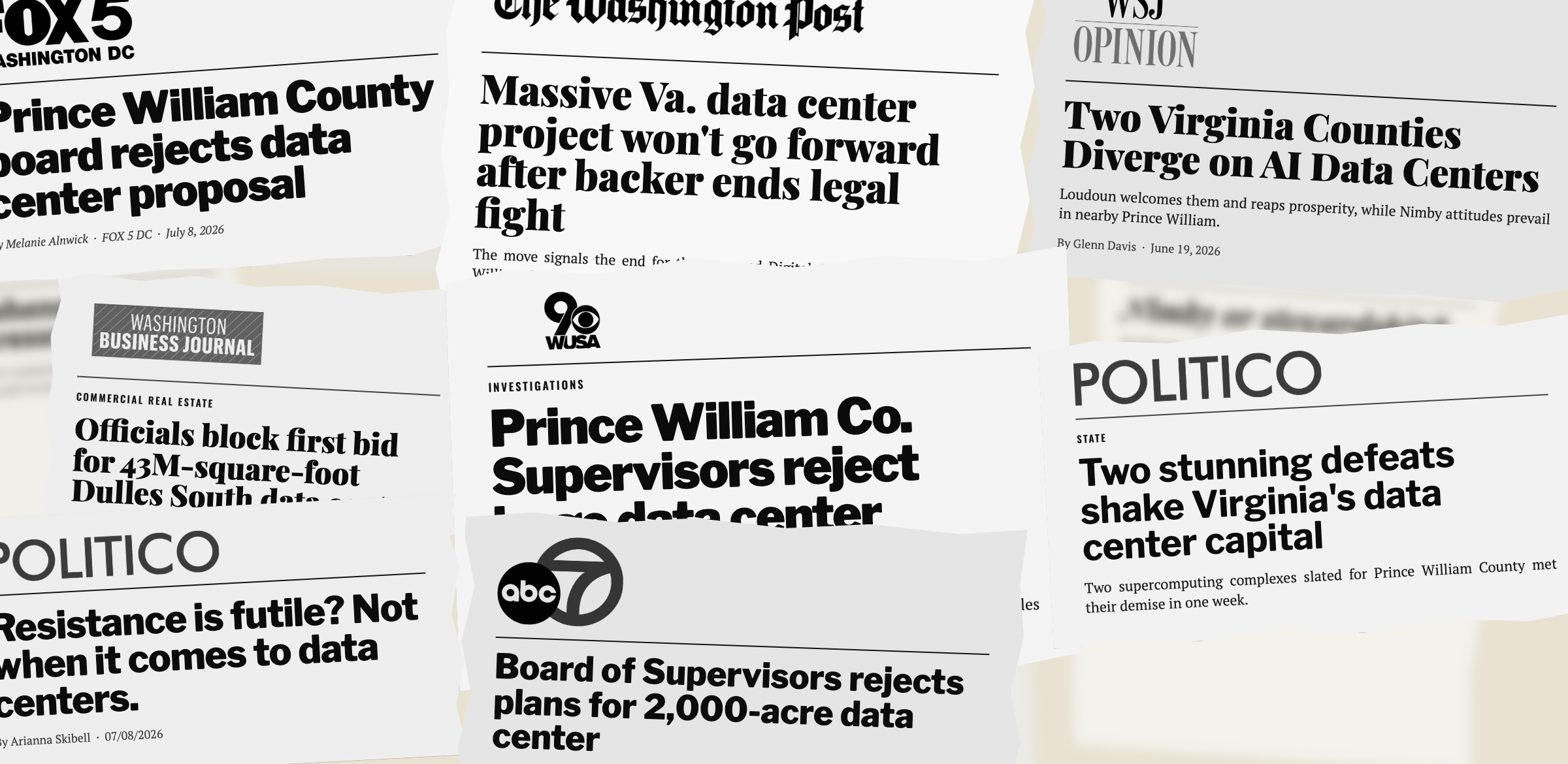
Prince William County’s data center votes aren’t the end of the industry. They’re a reminder that communities need more than facts and figures. They need to understand what these projects mean for their future and why they should welcome them.
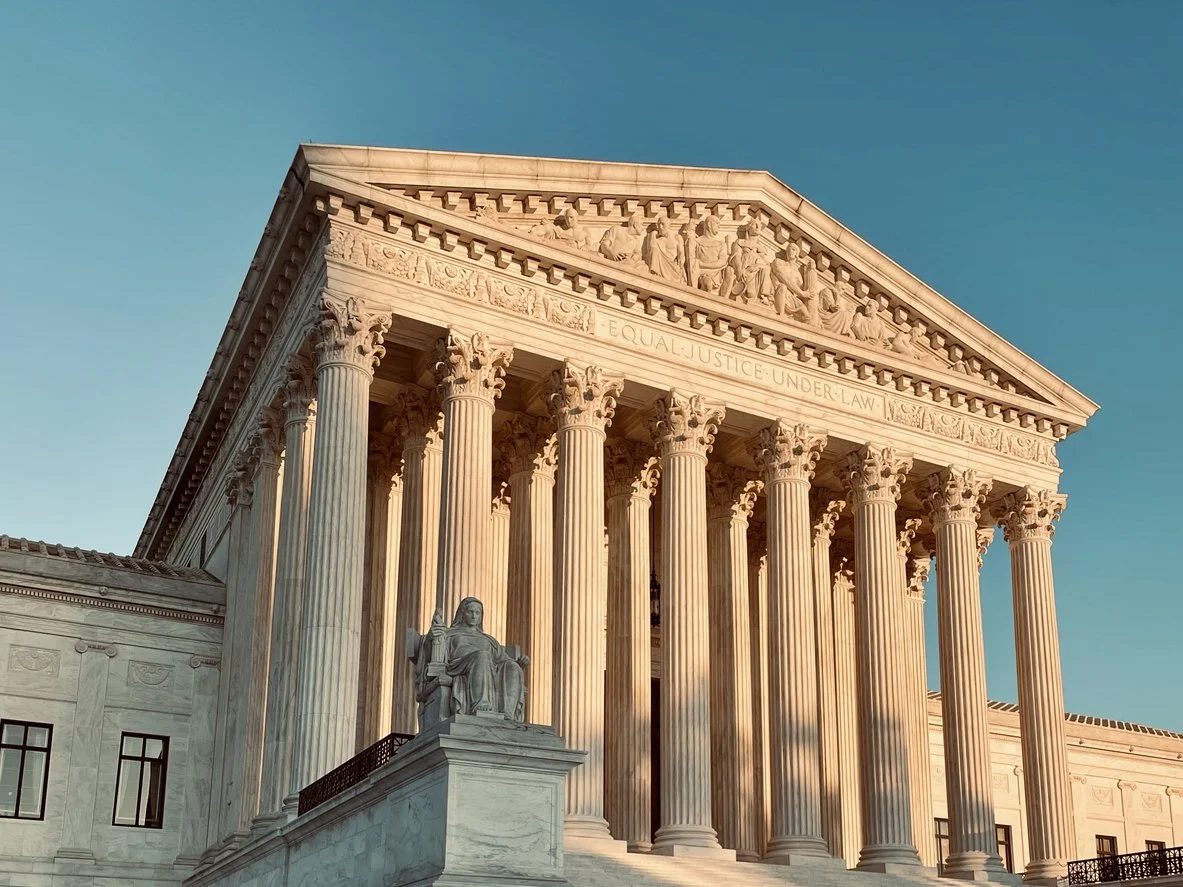
SCOTUS ruling reshapes campaign spending, giving party committees new leverage and changing how corporate advocacy teams plan for 2026.

Mergers are no longer judged on financial merits alone. Public affairs strategy is essential to defining the narrative, managing scrutiny, and moving stakeholders toward approval.

Most organizations have no idea what AI engines say about them — and that blind spot is costing them. As AI visibility becomes the new first impression for journalists, staffers, and advocates, the stakes have never been higher.
A congressional investigation is never just a legal matter. Companies that prepare now—with legal, communications, government affairs, and stakeholder teams aligned—will be better positioned to protect their reputation before a negative narrative takes hold.

Modern advocacy requires more than a strong lobbying strategy or broad public awareness campaign. To drive real policy outcomes, organizations need a synchronized inside-outside game that pairs Capitol-level strategy with constituent-driven pressure.

Most organizations treat media relations as a crisis tactic—but the ones that weather storms best build press relationships long before trouble hits. Here's why a sustained media strategy is essential in public affairs.

The Herald Group earns seven Hermes Creative Awards—four Gold, three Honorable Mentions—for work spanning blog content, website design, paid media, outdoor advertising, and LinkedIn performance.

In public affairs, audience strategy is too often treated as a list rather than a discipline. Here are four principles that separate effective targeting from wasted spend.

As AI floods the information landscape, policymakers struggle to know who to trust. Here's why strategic alliances with credible third-party voices have become a defining advantage in public affairs.
The public affairs landscape in 2026 looks nothing like it did two cycles ago. Here's what practitioners need to understand—from the midterm environment to state-level fights to media fragmentation.
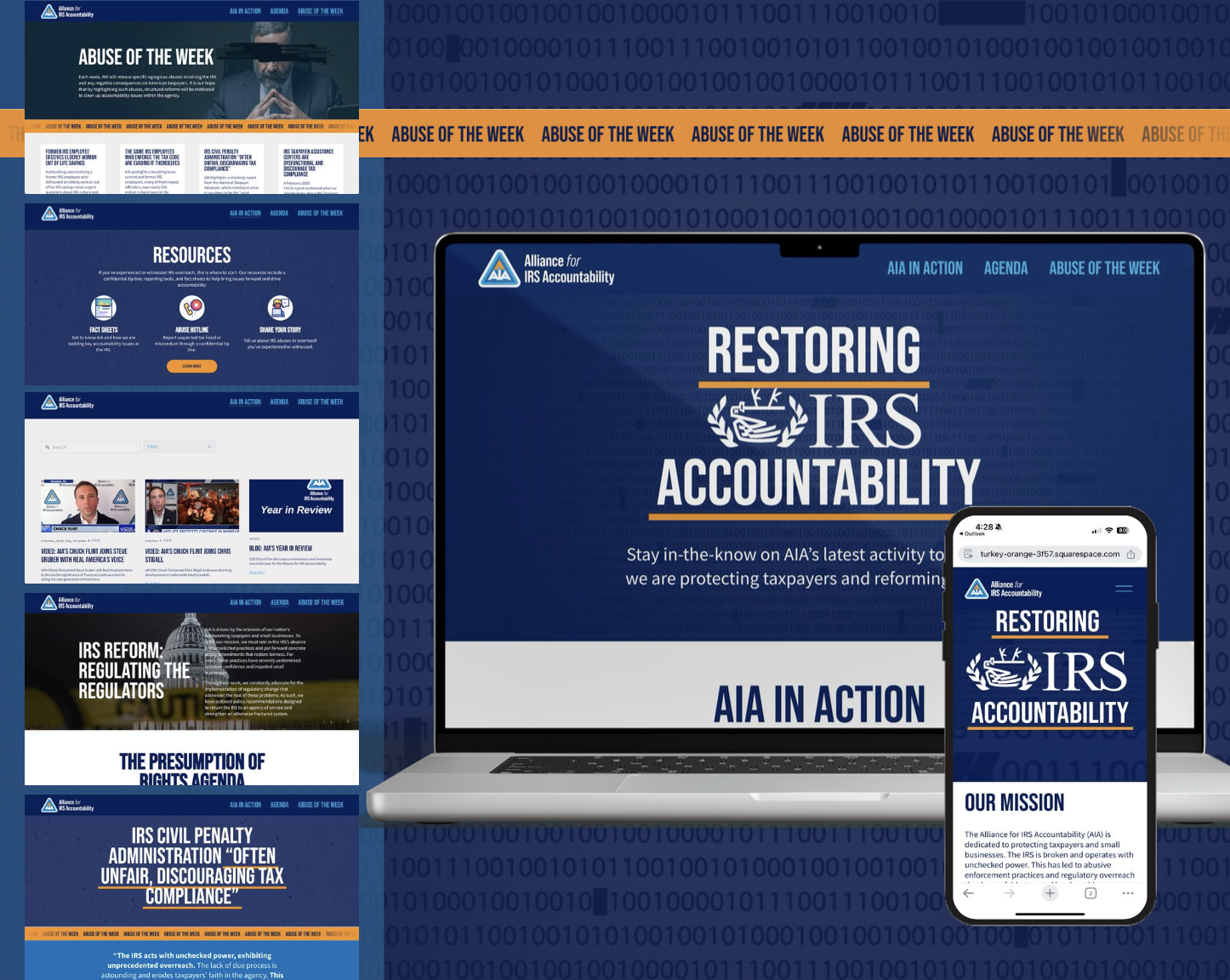
The Herald Group earned Gold and Silver at the 2026 MUSE Creative Awards for work on the Alliance for IRS Accountability—a reflection of how integrated strategy and creative drive results in public affairs.

AI is reshaping public affairs workflows—but speed alone doesn't drive outcomes. Here's how to integrate AI intentionally without losing the strategy, relationships, and credibility that actually move the needle.


The Herald Group has named Colin Hensel Senior Director of Digital and AI Innovation and Analytics—a role built to lead the firm's deliberate, strategy-first approach to AI in public affairs.

The Herald Group is proud to announce the promotions of 11 team members—reflecting the talent, dedication, and leadership that continue to drive the firm forward.

The Herald Group's Creative and Digital Teams earned a Platinum Award—the highest honor—at the 2026 AVA Digital Awards, recognized for Body of Work Achievement across strategy, creative, and digital execution.

The era of top-down messaging is over. Here's how public affairs professionals can earn attention, build trust, and drive real outcomes in today's decentralized media landscape.

In a world of AI-generated content and exhausted audiences, public affairs creative has to work harder to connect. Here are five shifts reshaping what effective campaigns look like in 2026.


Election years don't eliminate the ability to change the narrative—they change what it takes. Here's what public affairs teams need to understand about winning in a compressed 2026 midterm environment.
As 2025 closes, The Herald Group reflects on a year of consequential wins, accelerating change, and a team that delivered—and looks ahead to an even more complex 2026.