Third Parties and Online Influencers: Engaging Crucial – but Different – Outside Voices

Public affairs campaigns are rarely won through one channel or messenger. Policymakers and their staff move between news coverage, social feeds, podcasts, and other channels to base their insights and decisions. Reaching them effectively often requires engaging and mobilizing credible voices beyond the organization itself.
The most effective campaigns engage voices often referred to as "third parties” or “online influencers.” But they are not interchangeable terms.
Treating them as one category can lead to mismatched partnerships, unclear expectations, and content that reaches the wrong audience.
Third-Party Groups Provide Policy Validation
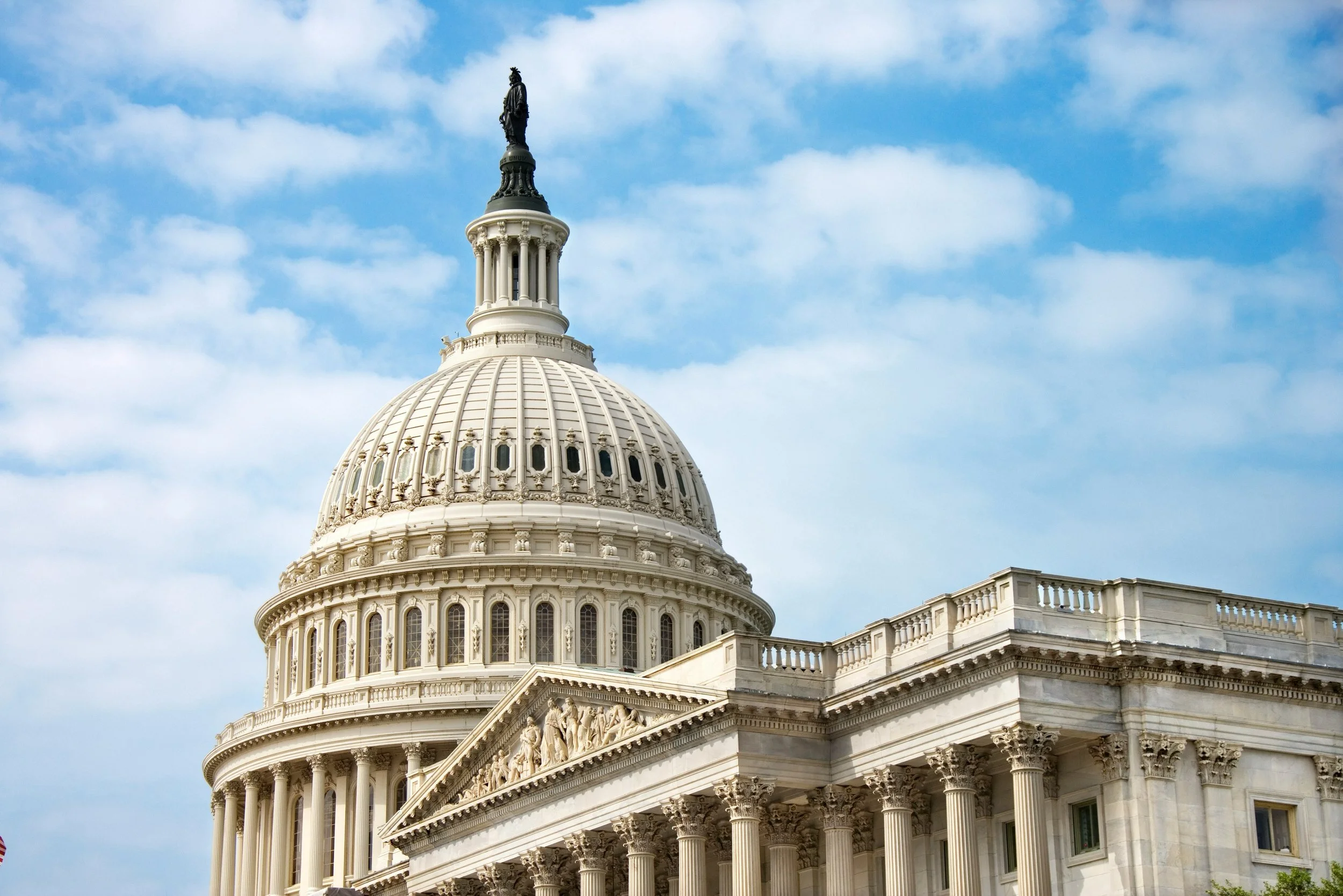
Third-party groups—like think tanks, associations, coalitions, academic organizations, and advocacy groups—derive their value from expertise and institutional credibility. Lawmakers trust them because of their well-established credibility in D.C.
They can represent many parties, including business, taxpayers, religious institutions, farmers, and more.
Effective campaigns engage and mobilize these organizations to demonstrate that a position or cause has support or relevance beyond the organization most directly affected, which can often be perceived as self-interested.
They can validate economic or community impacts through testimony, coalition letters, briefings, earned and paid media, grassroots mobilization, and direct engagement with policymakers.
Online Influencers Provide Trusted Audience Access
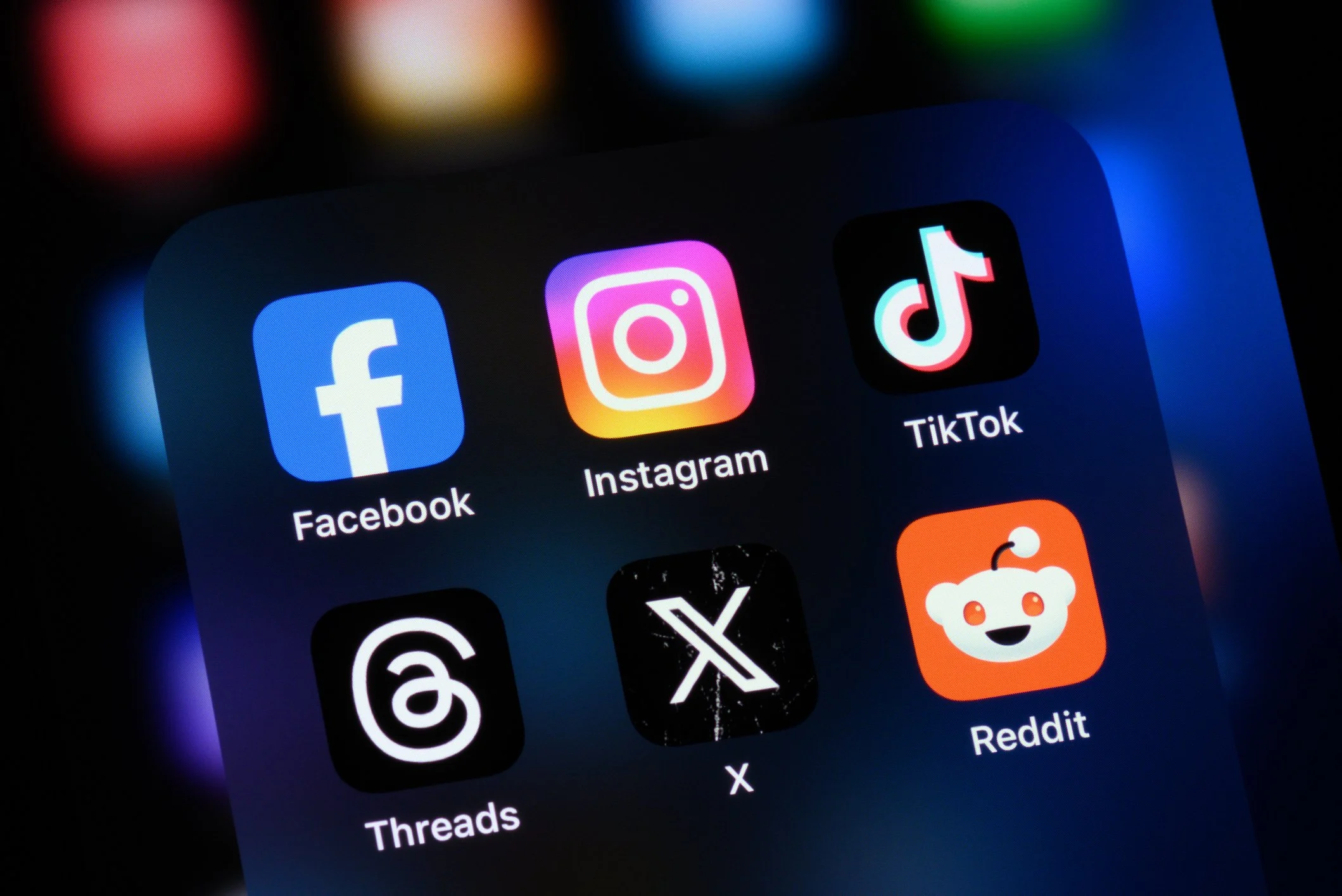
Online influencers—like those you might see on Instagram, Facebook, or TikTok—bring a large, sometimes niche, following with them that is highly engaged. Their value comes from trust, relevance, and engagement within a specific community.
Some might have millions of followers they can quickly engage, while others may have a smaller but highly active audience. Either can be powerful assets in public affairs campaigns depending on the objective.
For example, if you’re trying to reach advocates in multiple districts across the country, you might want to find a social media influencer with millions of followers. Or, if you’re looking for people around a hyper-local issue (like zoning or project-based), local influencers with a small following might be the better approach.
Influencers can also bring messages into existing conversations, reinforce earned or paid media, and create social validation. It’s one part of the “surround sound” approach to a successful public affairs model.
Online influencers work because they can reach decision-makers, or their constituents, organically on the social media platforms they already use in their personal lives. They provide access to people who already pay attention when they speak.
Define the Role Before Choosing the Voice
The lines naturally blur. A third-party expert can have an influential following, and an influencer can reach the masses and translate the messaging into everyday language.
Campaigns should still seek to identify the most effective lane for each outside voice:
Third party: Why should policymakers or stakeholders believe this or care about it? What policymakers does a particular third party have influence with?
Influencers: Who already trusts this messenger, and do those audiences have collective influence on this issue?
Failing to define those roles creates predictable mistakes. Campaigns sometimes overvalue follower counts, ask experts to behave like social creators, or engage influencers without clear objectives and message guardrails. Others invest in polished content without determining who should deliver it. Too often, organizations wait for a crisis to arrive and then scramble to build relationships that should have been cultivated authentically well in advance.
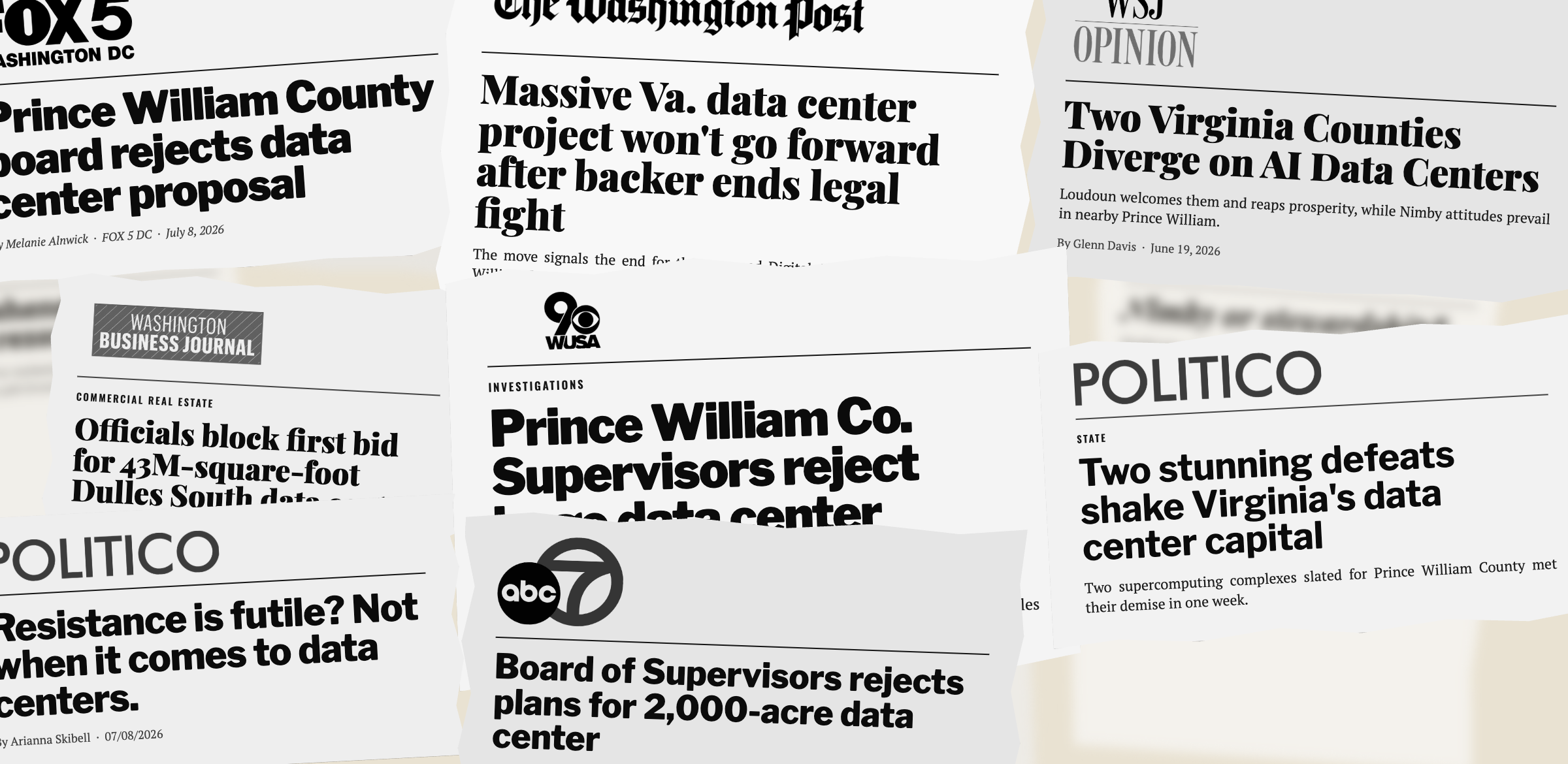
The strongest approach often uses both. In a state regulatory debate, a trade association might validate the economic impact, local business owners might show the real-world consequences, influencers might introduce the issue to relevant communities and translate the policy into clear short-form videos for paid social.
To succeed and deploy resources effectively, campaigns must understand and leverage the unique strengths, influence, and capabilities each voice brings to the table.
The Herald Group identifies, engages, activates, and manages outside voices for high-stakes public affairs campaigns—from credible third parties and key opinion leaders to influencers and creators with trusted audience reach. We match each messenger to a clear strategic role, helping clients validate their positions, reach priority audiences, and translate complex issues into content that moves people to act. Contact us to discuss how the right voices can strengthen your next campaign.