

Ashley Pratte Oates
As the pundits and pollsters continue to assess the exit polling from the pivotal 2026 midterm election, there’s one thing that’s known to be true when political tides change: political movements rebrand, rebuild, and can find strange political bedfellows.
It seems as though the Make America Healthy Again (MAHA) movement is already doing that. Disenchanted with the Trump administration for not doing enough, Democrats have taken notice and tried to curry favor with them as part of their own emphasis on a “healthy America” agenda.
How Democrats Are Reframing the MAHA Movement
Progressive organizations such as the Center for American Progress (CAP) are laying the groundwork to rehome the MAHA agenda into their platform by issuing a proposal ahead of the midterm elections centered on “removing corporate and political influence from regulatory agencies and guaranteeing food safety by empowering Americans to help make healthy choices”.
What’s more, House Democrats’ health care working group included a callout in its policy agenda called “Reclaiming MAHA and Protecting American Families.”
What may have been unpopular with Democrats, with RFK Jr. leading the charge, might now actually be politically viable policy with just some rebranding.
It’s clear the Democrats plan to co-opt the MAHA agenda but reframe and rebrand it to fit their own federal policy initiatives. The white paper released by CAP even calls out ultra-processed foods and PFAS by name—two items at the top of RFK Jr.’s agenda. Tellingly, the white paper points out how the MAHA movement has been betrayed by this administration and how Democrats plan to reclaim leadership on these issues.
What a New MAHA Agenda Could Mean for Businesses
However, the difference will be how Democrats approach this issue and what that means for the corporate landscape. Democrats will work to remove the influence of corporations within our current regulatory system and bring policies forward that are grounded in science.
One thing is certain: public confidence in America’s public health agencies and corporations is at an all-time low, creating a unique political moment. According to recent KFF polling, fewer than half of Americans have confidence that federal health agencies will act independently, and trust in food, agriculture, and pharmaceutical industries to act in the public's best interest is also low.
There is a real opportunity for education on these critical issues as policies are shaped. While it’s unclear what obstacles this new "healthy America” agenda will face, it is seemingly clear that Democrats will welcome MAHA with open arms.
What Organizations Should Watch as MAHA Evolves
As we continue to analyze and navigate the results of this election, we will continue to monitor the landscape and help clients understand how movements will rebrand and reshape, and what messages will best resonate with key stakeholders under new political leadership.
For companies operating in the food, agriculture, pharmaceutical, and broader health care industries, the evolution of MAHA presents a changing political and regulatory environment. Issues that once fell largely along partisan lines may increasingly attract bipartisan scrutiny and MAHA voters who feel left behind, particularly when framed around affordability, consumer protection, and public health.
Organizations should be paying close attention not just to the policies being proposed, but to the political coalitions forming around them. Understanding which messages resonate across party lines, where new regulatory pressures may emerge, and how stakeholders are responding will be essential to navigating the next phase of the MAHA movement.
The Herald Group is a public affairs firm that helps organizations navigate shifting political landscapes, anticipate policy challenges, and communicate effectively with key stakeholders. From emerging regulatory debates to changing political priorities, our team develops strategic communications and advocacy campaigns that help clients protect their interests and shape public policy. Contact us to learn how we can help your organization navigate what's next.
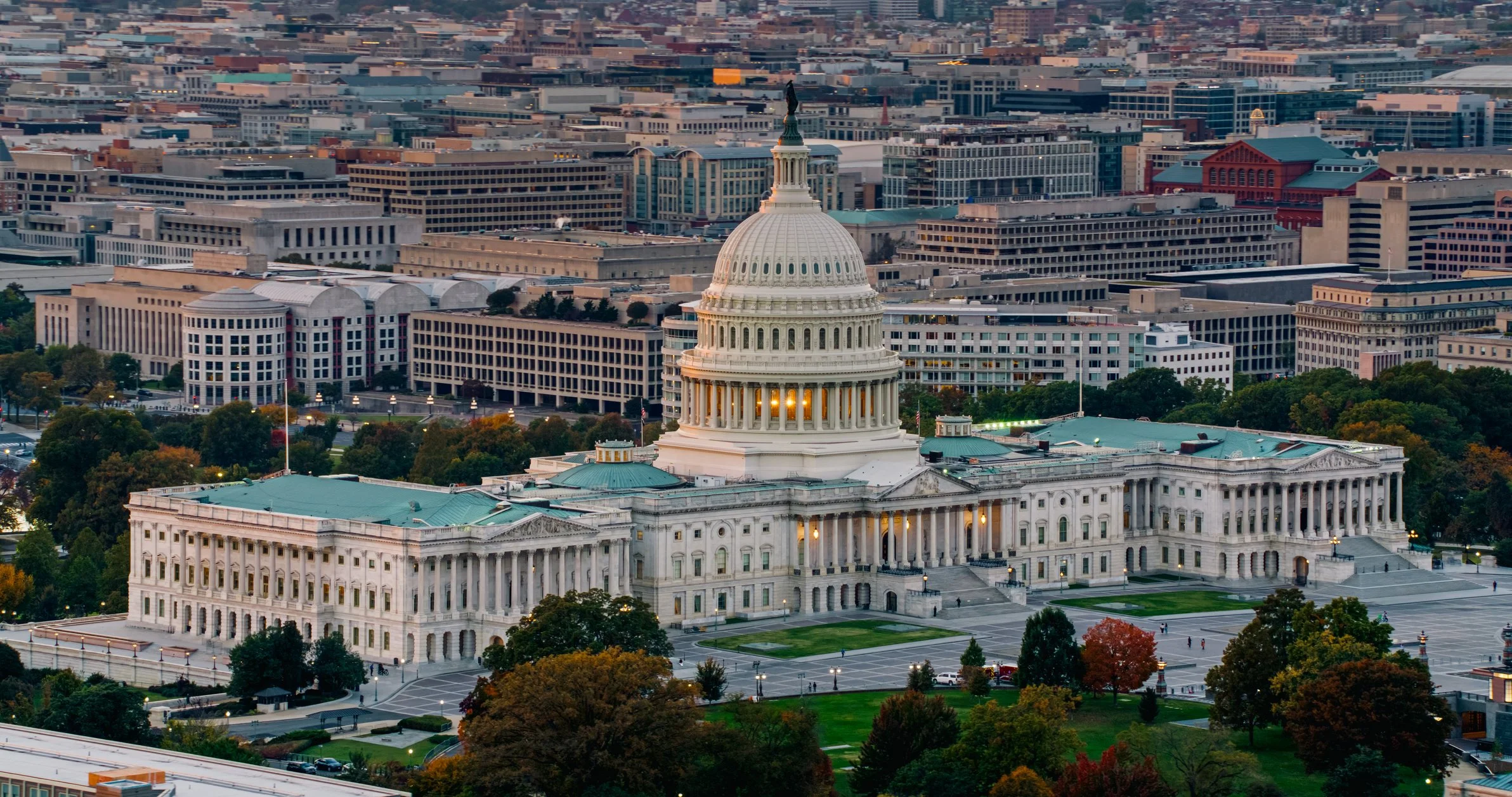
With Congressional control flipped, Democrats have signaled that oversight and investigations could reach unprecedented levels in the next year.

As the Make America Healthy Again (MAHA) movement evolves following the 2026 midterm election, Democrats are seeking to reshape its public health agenda and find ways to incorporate the MAHA agenda into their platform. Here’s what this political shift could mean.

Third-party groups help build credible outside voices for your issues from institutions or academics. Influencers provide trusted audience access and make the messaging personal and consumable. Effective public affairs campaigns know when to use each.
Reddit and other online forums can reveal where an issue is taking shape, which narratives are spreading, and when an informal conversation is becoming a public affairs threat.

Unconventional public affairs advocacy tactics can make an issue impossible to ignore by using targeted activations to reach decision-makers, create earned media opportunities, and strengthen every element of a broader public affairs campaign.

Research alone rarely drives action. Learn how to translate complex data into compelling stories, reach key decision-makers, and build a public affairs strategy that ensures your findings land.
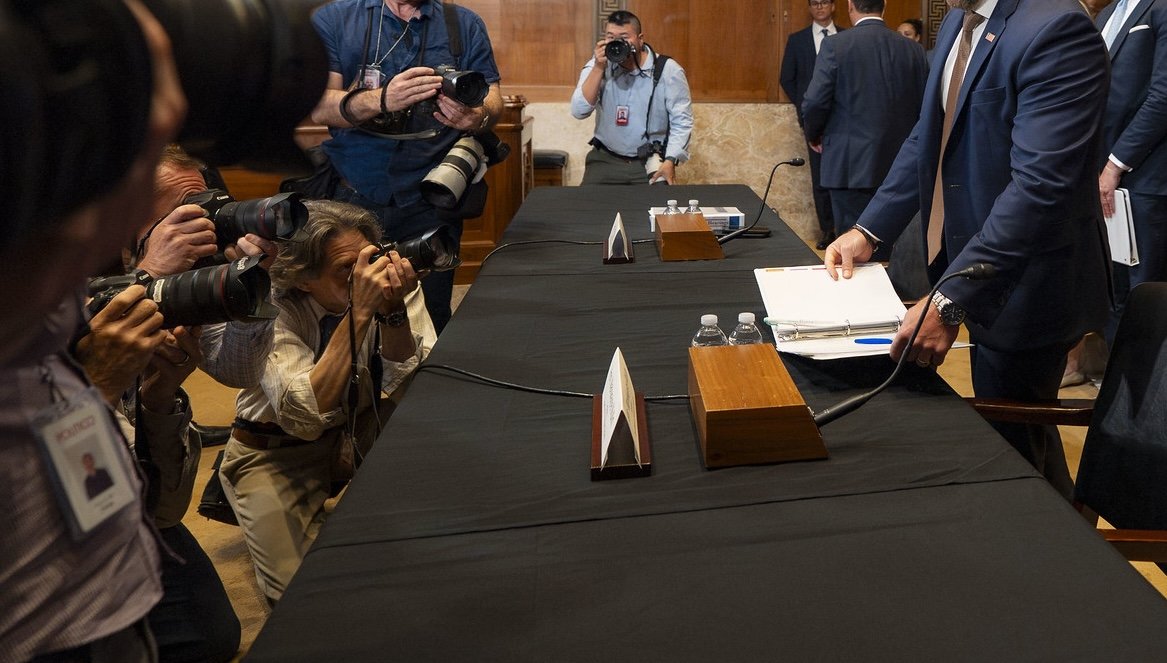
In litigation, regulatory investigations, and reputational crises, organizations often find themselves trapped between two competing realities: legal counsel wants to minimize risk, while stakeholders want answers. Here’s how to communicate when you cannot share the whole story.
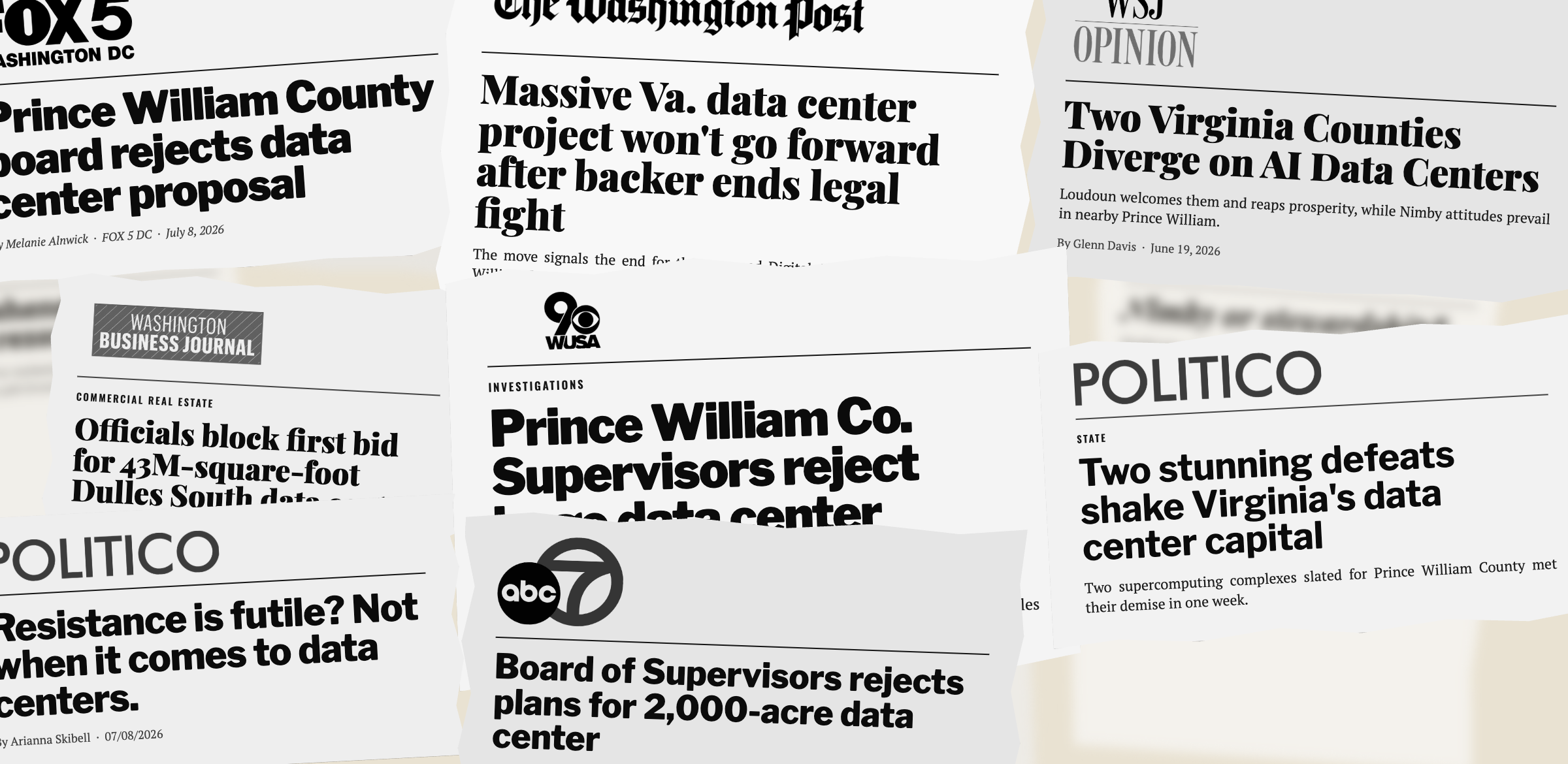
Prince William County’s data center votes aren’t the end of the industry. They’re a reminder that communities need more than facts and figures. They need to understand what these projects mean for their future and why they should welcome them.
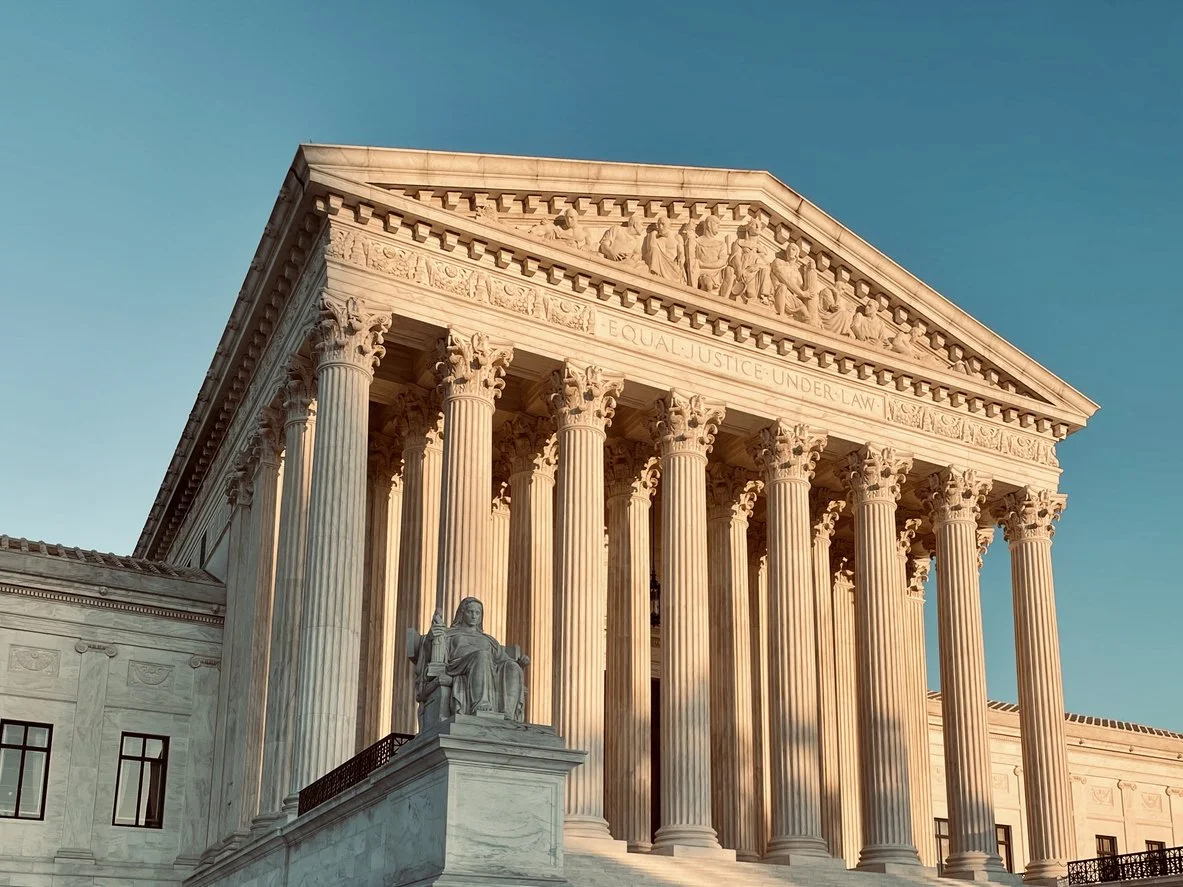
SCOTUS ruling reshapes campaign spending, giving party committees new leverage and changing how corporate advocacy teams plan for 2026.

Mergers are no longer judged on financial merits alone. Public affairs strategy is essential to defining the narrative, managing scrutiny, and moving stakeholders toward approval.

Most organizations have no idea what AI engines say about them — and that blind spot is costing them. As AI visibility becomes the new first impression for journalists, staffers, and advocates, the stakes have never been higher.
A congressional investigation is never just a legal matter. Companies that prepare now—with legal, communications, government affairs, and stakeholder teams aligned—will be better positioned to protect their reputation before a negative narrative takes hold.

Modern advocacy requires more than a strong lobbying strategy or broad public awareness campaign. To drive real policy outcomes, organizations need a synchronized inside-outside game that pairs Capitol-level strategy with constituent-driven pressure.

Most organizations treat media relations as a crisis tactic—but the ones that weather storms best build press relationships long before trouble hits. Here's why a sustained media strategy is essential in public affairs.

As AI floods the information landscape, policymakers struggle to know who to trust. Here's why strategic alliances with credible third-party voices have become a defining advantage in public affairs.
The public affairs landscape in 2026 looks nothing like it did two cycles ago. Here's what practitioners need to understand—from the midterm environment to state-level fights to media fragmentation.

AI is reshaping public affairs workflows—but speed alone doesn't drive outcomes. Here's how to integrate AI intentionally without losing the strategy, relationships, and credibility that actually move the needle.

The era of top-down messaging is over. Here's how public affairs professionals can earn attention, build trust, and drive real outcomes in today's decentralized media landscape.

In a world of AI-generated content and exhausted audiences, public affairs creative has to work harder to connect. Here are five shifts reshaping what effective campaigns look like in 2026.
Election years don't eliminate the ability to change the narrative—they change what it takes. Here's what public affairs teams need to understand about winning in a compressed 2026 midterm environment.

At the University of Houston’s Energy Transition: Winds of Change symposium, it was clear that we are not in an energy transition, we are in the midst of an historic energy transformation that will be only possible through the partnership of public policy, industry and local communities.
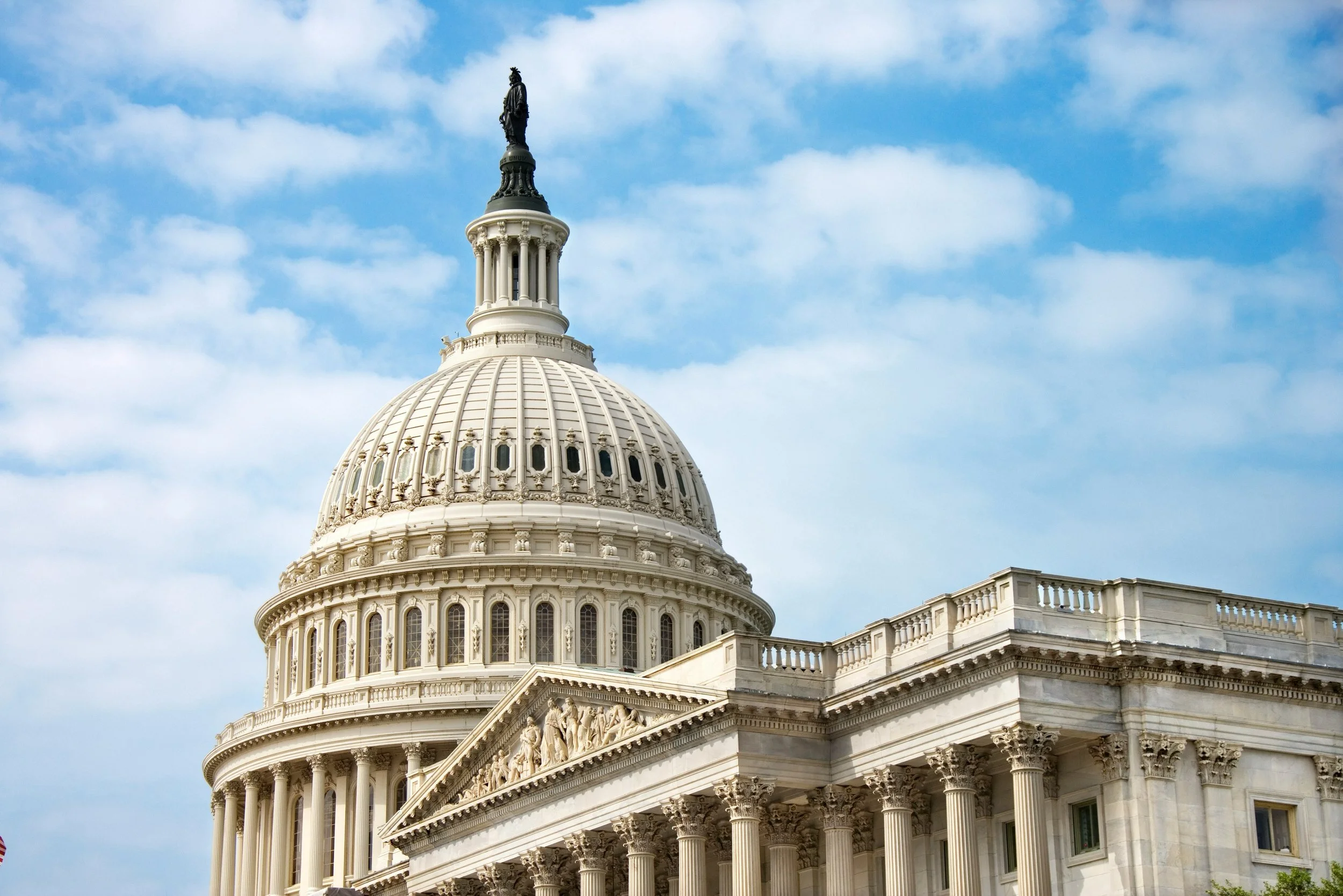
The lame duck session provides special opportunities to reach decision-makers and make your messages heard loud and clear. The Herald Group’s latest blog highlights effective tactics for making an impact during the lame duck session and setting the stage for next year.

An effective digital grassroots campaign can be a critical element of a “surround sound” strategy that helps your issue break through the noise on Capitol Hill. VP Sharon Copeland shares three keys to bringing your programs to the next level.
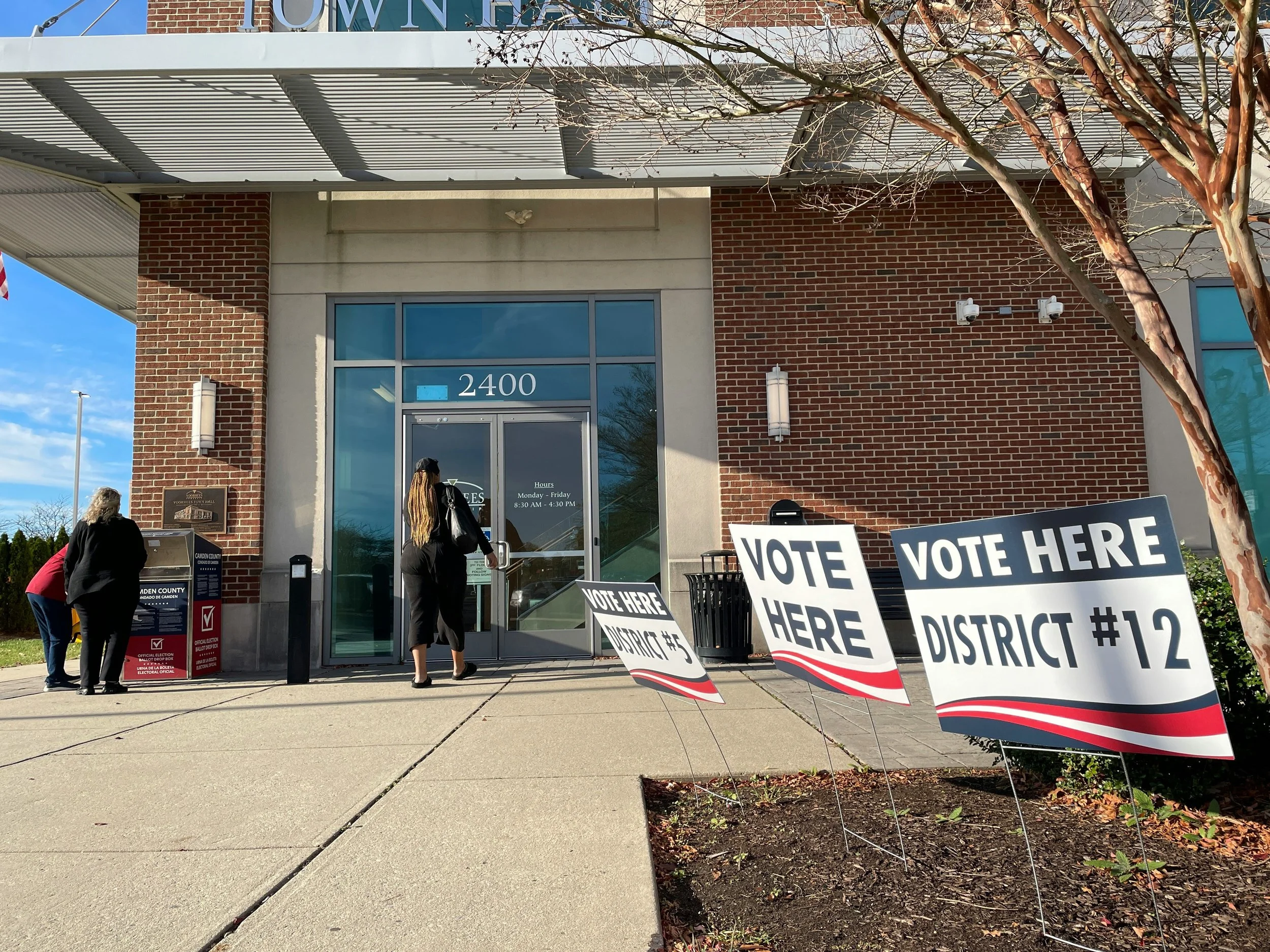
Breaking through during election season is harder than ever—but with the right budget, timing, messengers, and media mix, it's possible to cut through the noise and drive real impact.