

Colin Hensel
AI has quietly become the first research stop before meetings, media calls, and policy decisions. The problem with that? Most organizations have no idea what it says about them.
A legislative staffer asks Claude to brief them on the issues before a meeting. A journalist uses Perplexity to background a story before they call anyone. A grassroots advocate asks ChatGPT what a particular organization does and what it stands for. These are not edge cases anymore; they are the new routine.
The question worth asking is: how are these models responding?
For most organizations, the honest answer is we don't know. And that blind spot is a real problem.
AI answers are not Google results
When someone searches for an answer on Google, they get a list of links. They make choices. They read. They begin to form their own view from multiple sources. Importantly, there is healthy level of friction between the initial search and the conclusion.
But AI answer engines work differently. They synthesize, producing a single answer, often without showing their work, built from whatever sources they consider credible and well-structured. The user reads one response and moves on.
If that response leads with opposition framing, cites critics of your industry, or simply gets your organization’s identity wrong, the damage happens without you even knowing. There is no chance to ensure you are making the proper first impression if the impression never gets flagged in the first place.
This is the AI visibility problem, and it is distinct from anything traditional media monitoring or SEO tracks.
The inputs are familiar, but the channel is not.
What determines whether an AI engine cites a client favorably comes down to a short list: authoritative sources, clear and structured content, credible third-party validators, and consistent earned media presence in publications these systems treat as trustworthy.
That is a description of what public affairs firms have always managed. Coalition validators, earned placements, structured issue content, credible positioning. The work is not new. The channel is.
The difference is that the organizations doing that work well for traditional media and search are often invisible in AI. Content is often buried in PDFs, issue pages are written for persuasion rather than information, and their website may even block AI crawlers entirely without anyone knowing.
The result? Two or three opposition-aligned sources can be cited across every major query while a well-funded advocacy operation goes unmentioned.
This is solvable
We have done this work, and the fixes are more straightforward than most people expect. In a recent audit we ran for an advocacy group, every major AI engine failed to consistently and correctly identify the client on basic identity queries, often returning a different organization with the same acronym instead. The fix was not just a technology project–it required a coordinated communications effort: a structured FAQ page, a few configuration changes, and schema markup that told AI crawlers exactly what the organization was and what it stood for. None of it required a developer, and most of it was content work our team excels at. Getting the technical layer right is the starting point. The strategic layer is what actually moves the needle, and it is the same expertise public affairs firms already have: earned media, third-party credibility, and issue framing.
Why this matters now
Public affairs has always been about getting ahead of the story. The challenge now is that part of the story is being written by AI engines before anyone in your organization has seen the question.
In audits we have conducted, less than 25% of AI responses were favorable to the client, and in some cases, 20% of responses actually led with opposition framing. The organizations had no idea. They had a strong earned media program, grassroots advocacy operation, and extensive content libraries, but none of it was consistently cited by AI.
That is where the team at The Herald Group comes in. We are uniquely positioned to help clients discover, address, and act on this gap. Our methodology is grounded in the same public affairs expertise that drives everything else we do: earned media, credible sourcing, and issue framing. If you have never looked at what AI says about your organization or the issues you work on, it is worth finding out. We can help.
Other Thought Leadership Posts
Campaigns this cycle leaned on creators, conversational video, and familiar settings to reach voters. Companies and trade associations can apply the same lessons to their 2027 advocacy strategy, with a few important differences.

The transition to the 120th Congress presents a critical opportunity for organizations to build relationships with incoming lawmakers. Here are 12 tactics organizations should consider as they prepare for the new Congress.

With Congressional control flipped, Democrats have signaled that oversight and investigations could reach unprecedented levels in the next year.

As the Make America Healthy Again (MAHA) movement evolves following the 2026 midterm election, Democrats are seeking to reshape its public health agenda and find ways to incorporate the MAHA agenda into their platform. Here’s what this political shift could mean.

Third-party groups help build credible outside voices for your issues from institutions or academics. Influencers provide trusted audience access and make the messaging personal and consumable. Effective public affairs campaigns know when to use each.
Reddit and other online forums can reveal where an issue is taking shape, which narratives are spreading, and when an informal conversation is becoming a public affairs threat.

Unconventional public affairs advocacy tactics can make an issue impossible to ignore by using targeted activations to reach decision-makers, create earned media opportunities, and strengthen every element of a broader public affairs campaign.

Research alone rarely drives action. Learn how to translate complex data into compelling stories, reach key decision-makers, and build a public affairs strategy that ensures your findings land.

In litigation, regulatory investigations, and reputational crises, organizations often find themselves trapped between two competing realities: legal counsel wants to minimize risk, while stakeholders want answers. Here’s how to communicate when you cannot share the whole story.
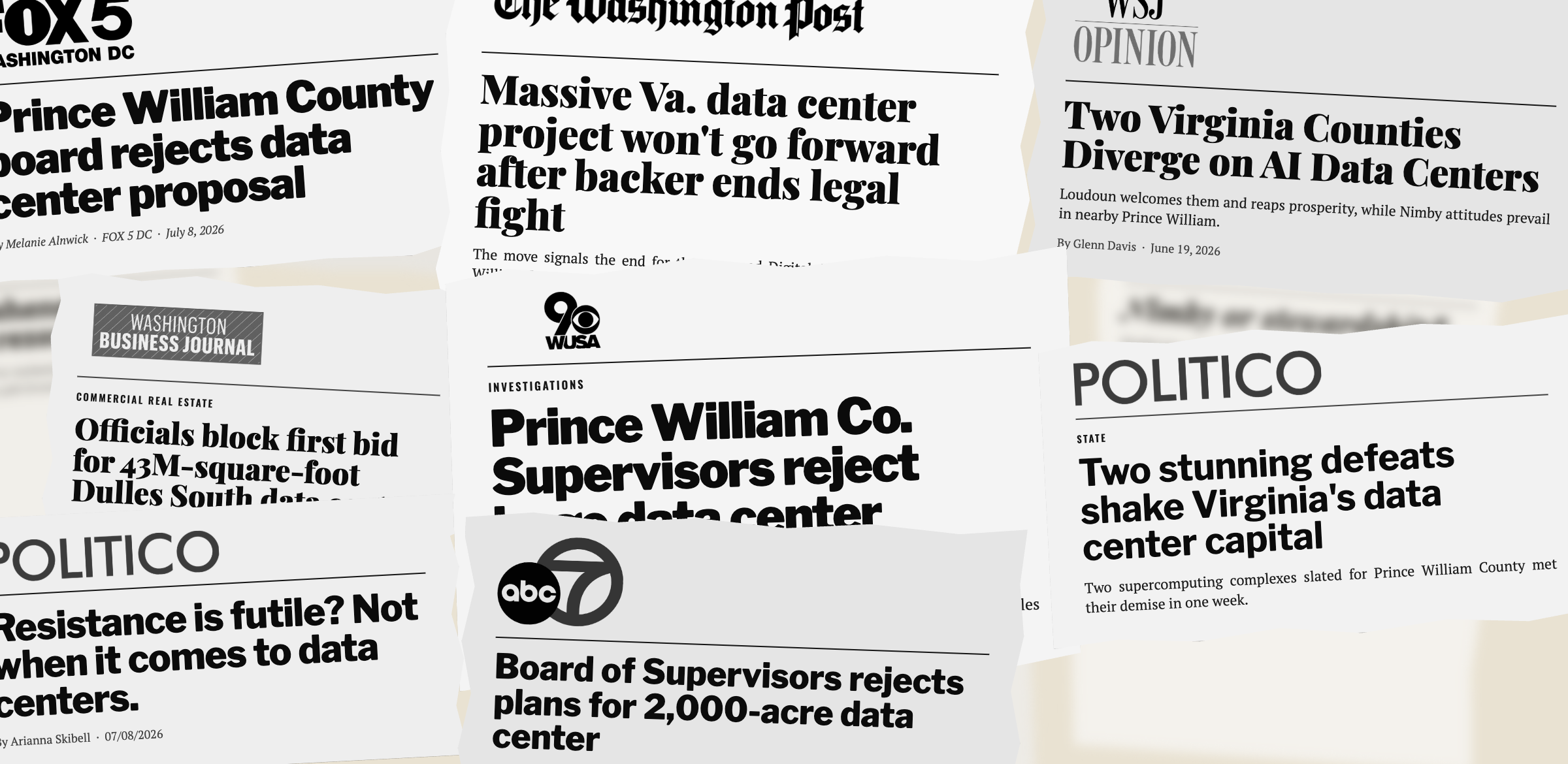
Prince William County’s data center votes aren’t the end of the industry. They’re a reminder that communities need more than facts and figures. They need to understand what these projects mean for their future and why they should welcome them.

SCOTUS ruling reshapes campaign spending, giving party committees new leverage and changing how corporate advocacy teams plan for 2026.

Mergers are no longer judged on financial merits alone. Public affairs strategy is essential to defining the narrative, managing scrutiny, and moving stakeholders toward approval.

Most organizations have no idea what AI engines say about them — and that blind spot is costing them. As AI visibility becomes the new first impression for journalists, staffers, and advocates, the stakes have never been higher.
A congressional investigation is never just a legal matter. Companies that prepare now—with legal, communications, government affairs, and stakeholder teams aligned—will be better positioned to protect their reputation before a negative narrative takes hold.

Modern advocacy requires more than a strong lobbying strategy or broad public awareness campaign. To drive real policy outcomes, organizations need a synchronized inside-outside game that pairs Capitol-level strategy with constituent-driven pressure.

Most organizations treat media relations as a crisis tactic—but the ones that weather storms best build press relationships long before trouble hits. Here's why a sustained media strategy is essential in public affairs.

As AI floods the information landscape, policymakers struggle to know who to trust. Here's why strategic alliances with credible third-party voices have become a defining advantage in public affairs.

The public affairs landscape in 2026 looks nothing like it did two cycles ago. Here's what practitioners need to understand—from the midterm environment to state-level fights to media fragmentation.

AI is reshaping public affairs workflows—but speed alone doesn't drive outcomes. Here's how to integrate AI intentionally without losing the strategy, relationships, and credibility that actually move the needle.

The era of top-down messaging is over. Here's how public affairs professionals can earn attention, build trust, and drive real outcomes in today's decentralized media landscape.

In a world of AI-generated content and exhausted audiences, public affairs creative has to work harder to connect. Here are five shifts reshaping what effective campaigns look like in 2026.

Election years don't eliminate the ability to change the narrative—they change what it takes. Here's what public affairs teams need to understand about winning in a compressed 2026 midterm environment.

At the University of Houston’s Energy Transition: Winds of Change symposium, it was clear that we are not in an energy transition, we are in the midst of an historic energy transformation that will be only possible through the partnership of public policy, industry and local communities.
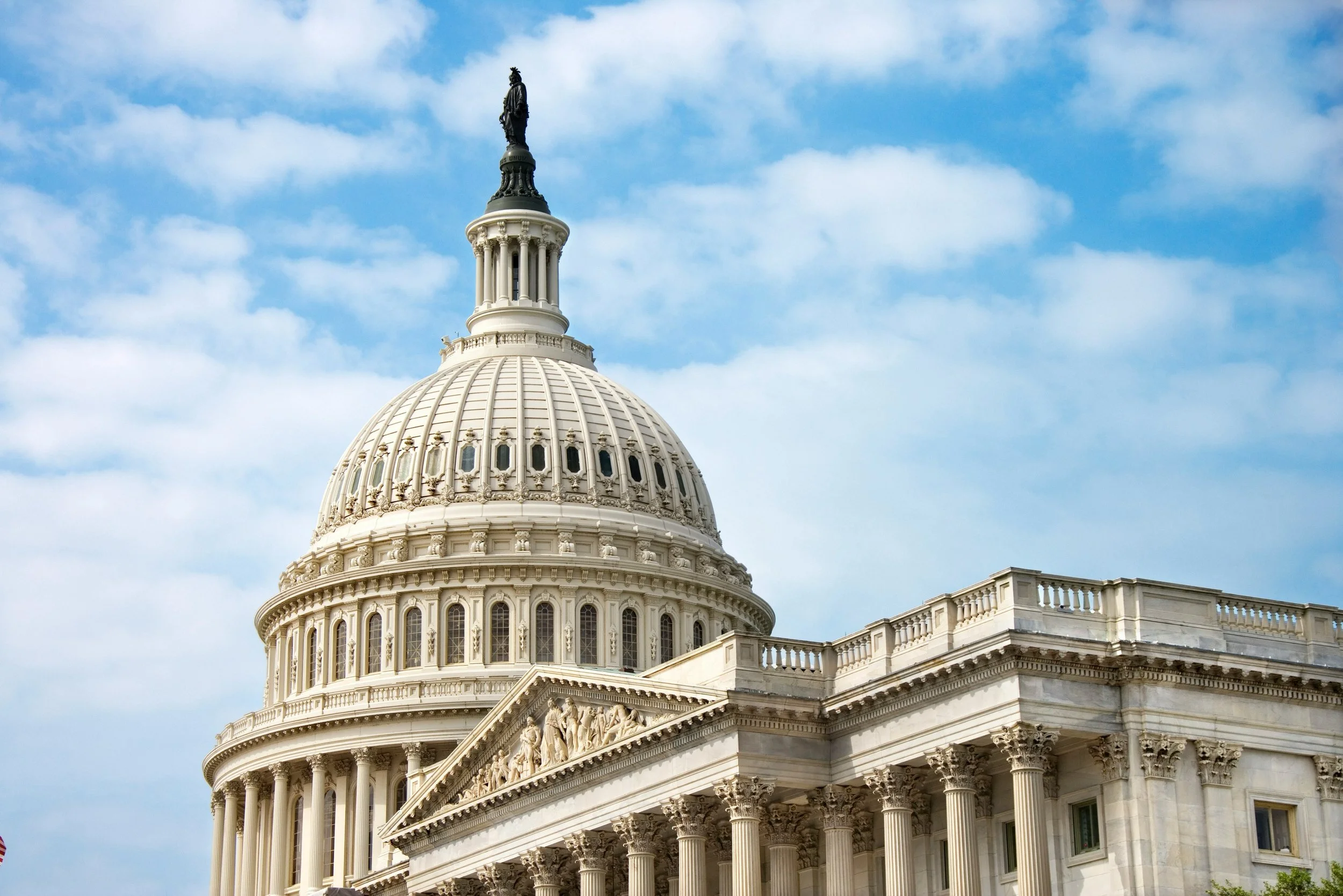
The lame duck session provides special opportunities to reach decision-makers and make your messages heard loud and clear. The Herald Group’s latest blog highlights effective tactics for making an impact during the lame duck session and setting the stage for next year.

An effective digital grassroots campaign can be a critical element of a “surround sound” strategy that helps your issue break through the noise on Capitol Hill. VP Sharon Copeland shares three keys to bringing your programs to the next level.
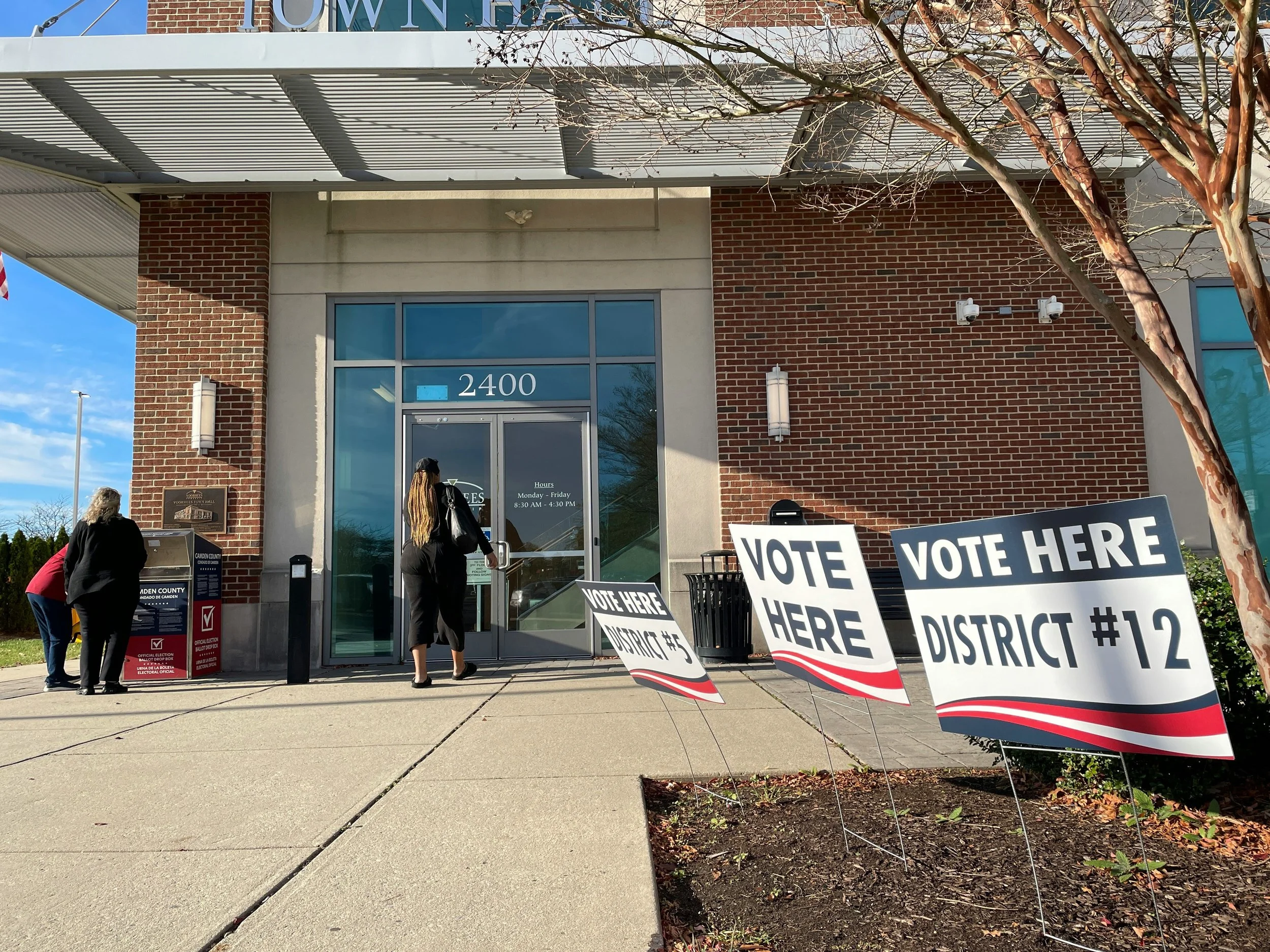
Breaking through during election season is harder than ever—but with the right budget, timing, messengers, and media mix, it's possible to cut through the noise and drive real impact.