

Kristen Tyagi
SENIOR DIRECTOR
Kristen Tyagi is a Senior Director at the Herald Group.
Prior to joining THG, Kristen served as Executive Director of Parents for School Options, where she led organizational strategy and grassroots advocacy efforts across 33 states and at the federal level. She worked closely with state policymakers to advance education choice policy, testified before state legislative committees, and served as the organization’s media spokesperson.
Earlier in her career, Kristen was a director at Purple Strategies, where she advised industry trade associations and corporate clients on crisis communications, message development, and advocacy campaign strategy. Before that, she was an Associate Vice President at DDC Public Affairs, working with Fortune 100 companies, trade organizations, political action committees, and national and state coalitions on strategic communications, stakeholder engagement, and grassroots mobilization to advance policy and public perception goals.
Kristen is originally from Ohio, and now resides in Arlington, VA with her husband, daughter, and two dogs. She holds a Bachelor’s degree in Political Science, with a minor in Communications, from Washington and Jefferson College in Washington, PA

Education:
Washington and Jefferson College
Hometown:
Alliance, OH

Campaigns this cycle leaned on creators, conversational video, and familiar settings to reach voters. Companies and trade associations can apply the same lessons to their 2027 advocacy strategy, with a few important differences.

The transition to the 120th Congress presents a critical opportunity for organizations to build relationships with incoming lawmakers. Here are 12 tactics organizations should consider as they prepare for the new Congress.

With Congressional control flipped, Democrats have signaled that oversight and investigations could reach unprecedented levels in the next year.

As the Make America Healthy Again (MAHA) movement evolves following the 2026 midterm election, Democrats are seeking to reshape its public health agenda and find ways to incorporate the MAHA agenda into their platform. Here’s what this political shift could mean.


Third-party groups help build credible outside voices for your issues from institutions or academics. Influencers provide trusted audience access and make the messaging personal and consumable. Effective public affairs campaigns know when to use each.

Recognition honors the chief creative officer’s leadership and industry-leading portfolio.
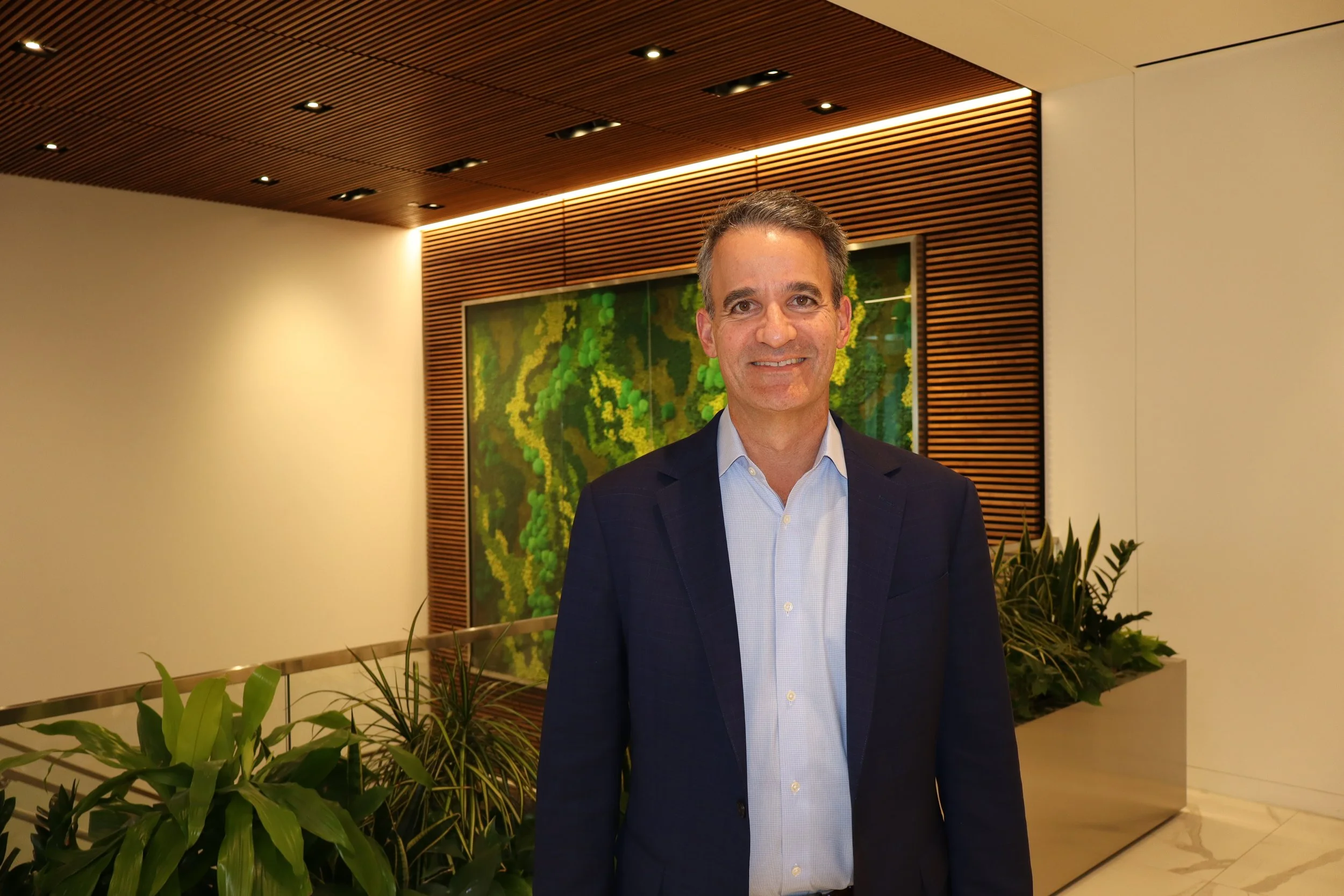
Veteran public affairs strategist brings more than 20 years of experience to strengthen the firm’s longstanding, nationwide advocacy capabilities.

The Herald Group partnered with Survivors for Solutions for an evening of art and patient advocacy, exploring the role of medical innovation in transforming lives.

Reddit and other online forums can reveal where an issue is taking shape, which narratives are spreading, and when an informal conversation is becoming a public affairs threat.
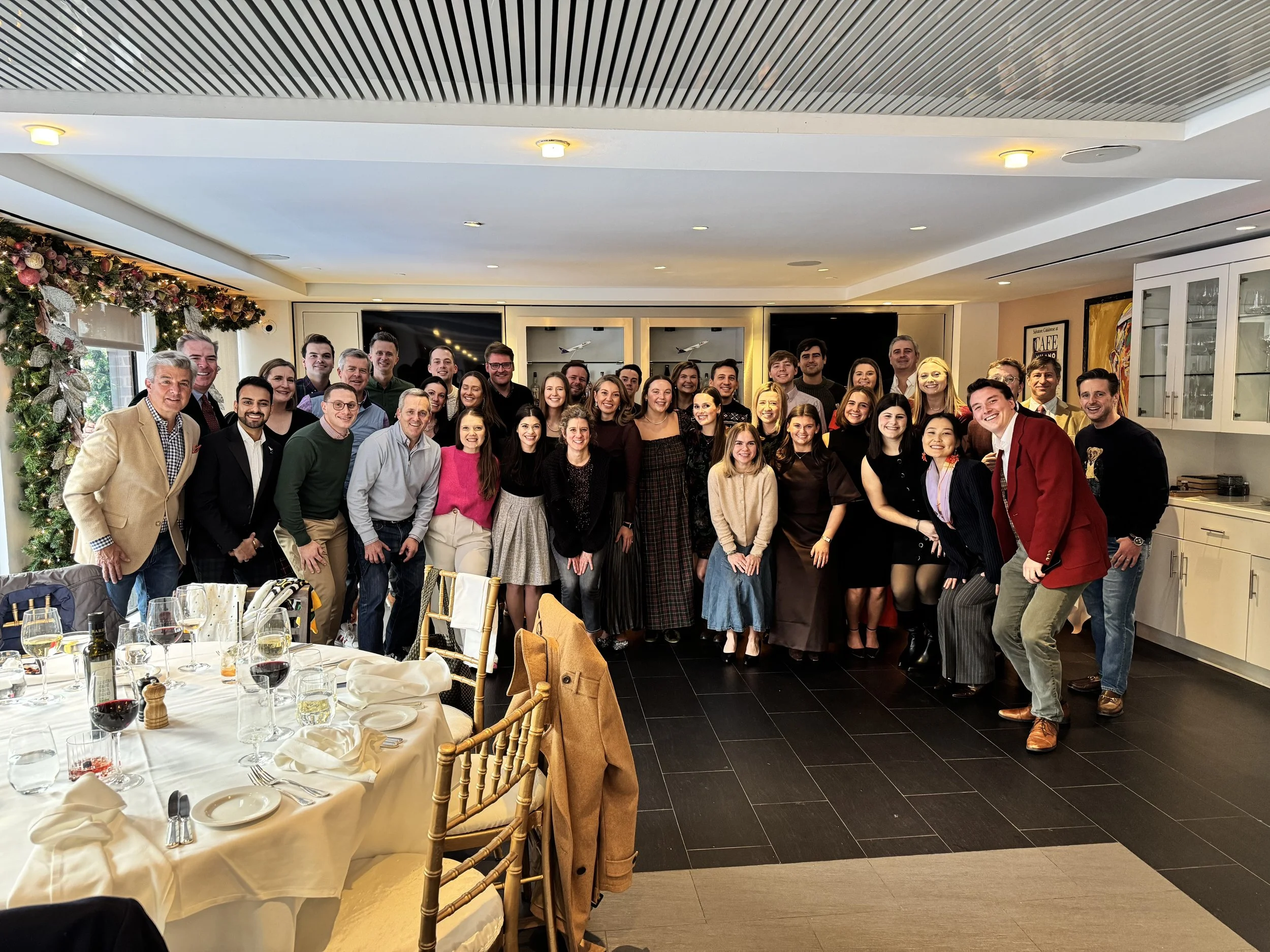
Recognition reflects the firm’s commitment to employee growth, mentorship and a collaborative culture.

Unconventional public affairs advocacy tactics can make an issue impossible to ignore by using targeted activations to reach decision-makers, create earned media opportunities, and strengthen every element of a broader public affairs campaign.

Veteran Advocacy Executive Joins THG Leadership Team and Adds Further Depth to Firm as 15th Addition in 2026

Research alone rarely drives action. Learn how to translate complex data into compelling stories, reach key decision-makers, and build a public affairs strategy that ensures your findings land.

In litigation, regulatory investigations, and reputational crises, organizations often find themselves trapped between two competing realities: legal counsel wants to minimize risk, while stakeholders want answers. Here’s how to communicate when you cannot share the whole story.

Technology companies changing the defense industrial base need visible leaders who can shape policy conversations, build credibility, and secure a seat at the table before procurement decisions are made.

Audience research can do more than inform one campaign. Synthetic audiences help public affairs teams pressure-test messaging, extend research value and adapt faster as issues, audiences and news cycles shift.
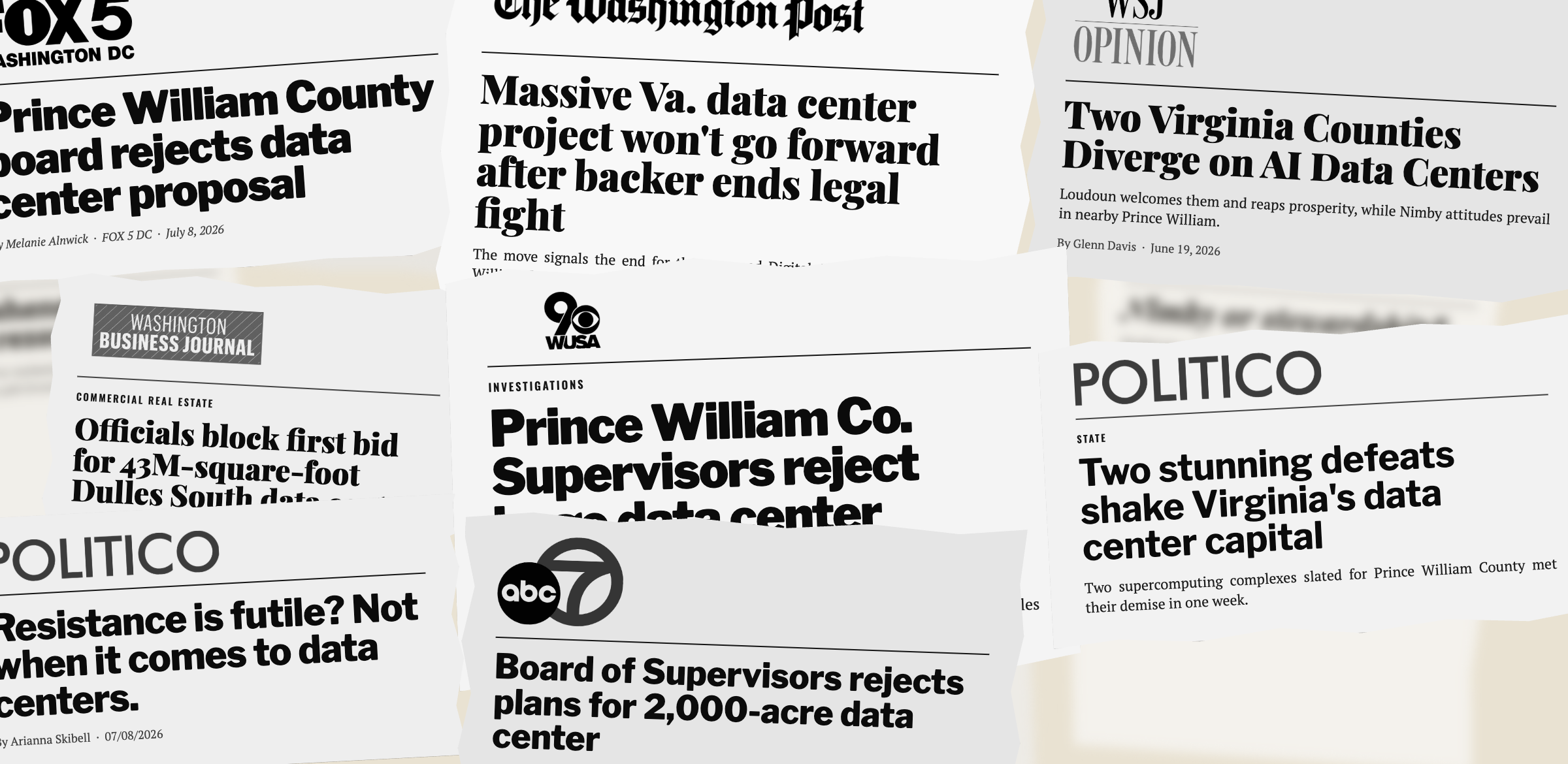
Prince William County’s data center votes aren’t the end of the industry. They’re a reminder that communities need more than facts and figures. They need to understand what these projects mean for their future and why they should welcome them.

SCOTUS ruling reshapes campaign spending, giving party committees new leverage and changing how corporate advocacy teams plan for 2026.