
Insights from the Digital Media and Advocacy Summit

Todd Van Etten

Our Digital team just attended The Digital Media & Advocacy Summit focusing on the intersection of digital media and public affairs. They are continually keeping an ear to the ground and this was a great opportunity to discuss trends in the industry, identify opportunities to test new tactics, and fold them into our ever evolving playbook. While rich in variety, two major developments seemed to be top of mind for attendees and panelists alike.
The first is the use of influencers for advocacy marketing. Dozens of companies have sprung up in the past few years that focus on just that: identifying, engaging, and working with social media personalities with large followings, and having them post content that's favorable to a client or cause.
These companies run the gamut from those that work with “mega influencers” with millions of followers and require zero disclosure when promoting a cause, to those that focus on particular sectors and seek accounts with >100k dedicated fans. Some even allow you to only pay for results, and only compensate the influencer when their followers take a desired action.
The second hot topic was AI, and how it's seemingly being integrated into every product, platform, and tool in the advocacy space. While it provides an immense amount of value, the bulk of the conversation was around regulation and how advertising platforms will stop the spread of fake images and misinformation. On this there were lots of questions and discussion, but very few answers.
At THG we're well versed in both of these topics, and regularly use both influencers and AI to help achieve client goals.
Other Thought Leadership

Research alone rarely drives action. Learn how to translate complex data into compelling stories, reach key decision-makers, and build a public affairs strategy that ensures your findings land.
In litigation, regulatory investigations, and reputational crises, organizations often find themselves trapped between two competing realities: legal counsel wants to minimize risk, while stakeholders want answers. Here’s how to communicate when you cannot share the whole story.

Audience research can do more than inform one campaign. Synthetic audiences help public affairs teams pressure-test messaging, extend research value and adapt faster as issues, audiences and news cycles shift.








At the University of Houston’s Energy Transition: Winds of Change symposium, it was clear that we are not in an energy transition, we are in the midst of an historic energy transformation that will be only possible through the partnership of public policy, industry and local communities.
The lame duck session provides special opportunities to reach decision-makers and make your messages heard loud and clear. The Herald Group’s latest blog highlights effective tactics for making an impact during the lame duck session and setting the stage for next year.

An effective digital grassroots campaign can be a critical element of a “surround sound” strategy that helps your issue break through the noise on Capitol Hill. VP Sharon Copeland shares three keys to bringing your programs to the next level.
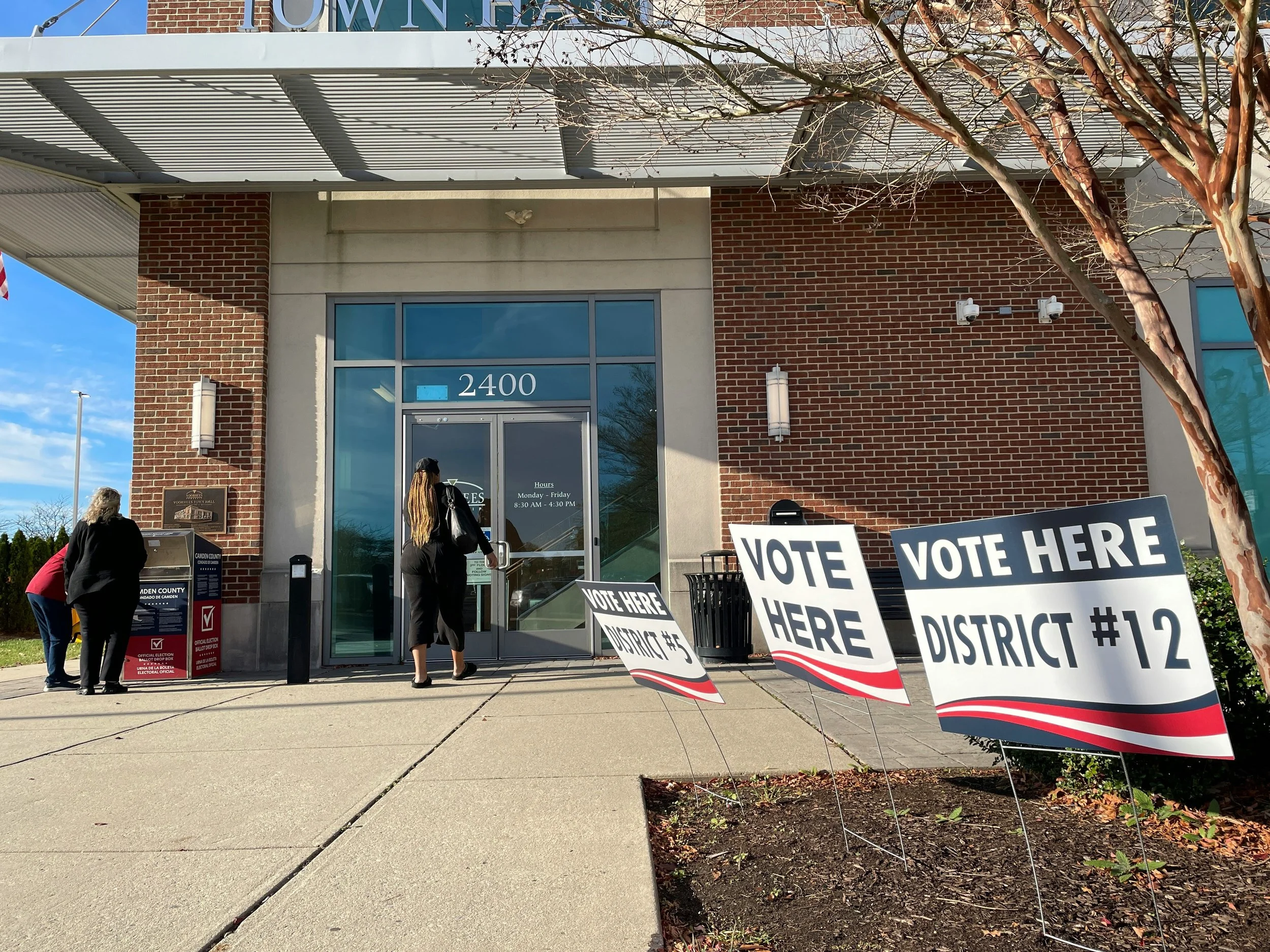
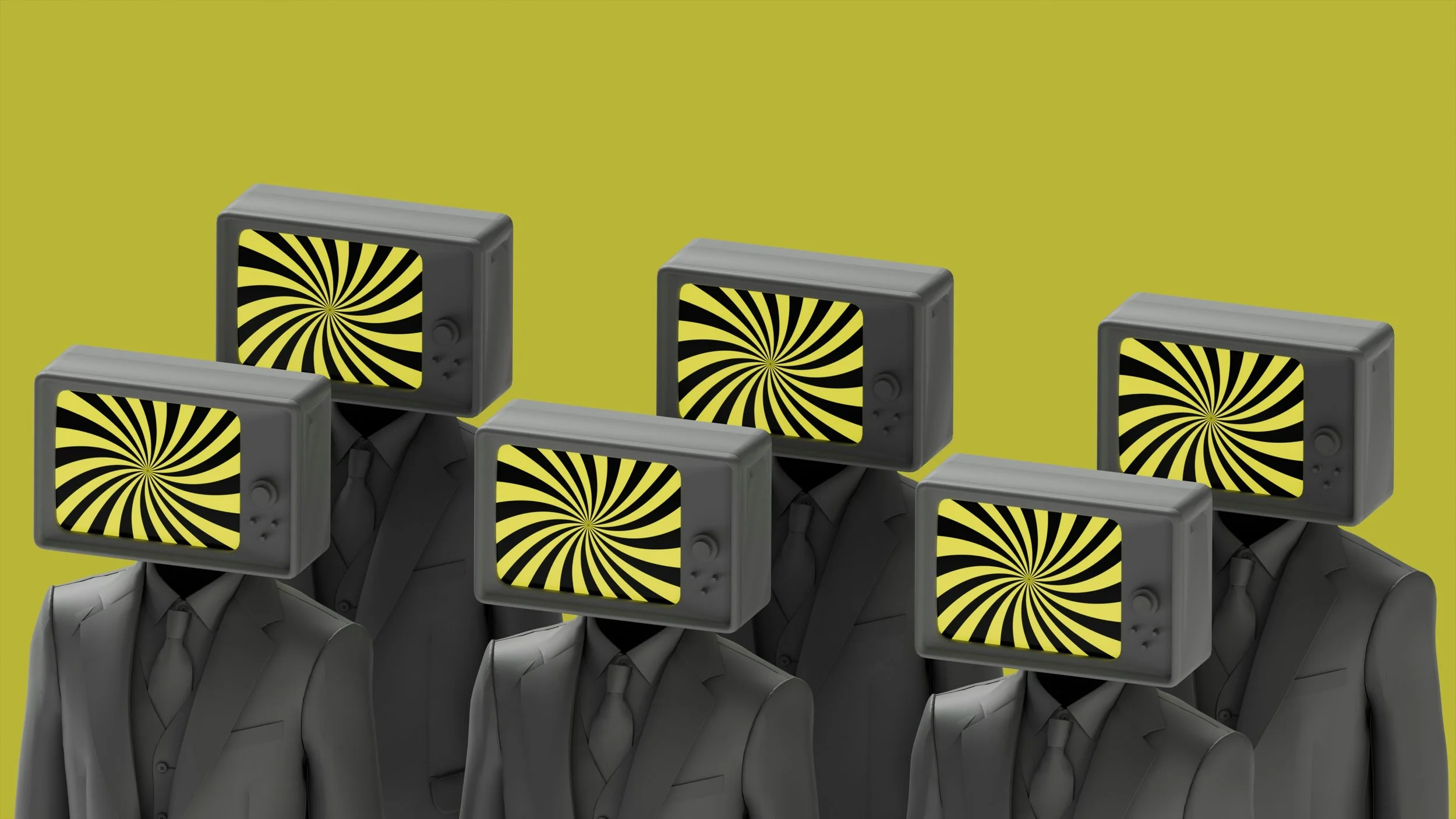
Election season is once again in full swing, presenting one of the toughest times to break through and deliver an effective message on behalf of clients. Across the country and across demographics, when Americans turn on their TV or check their phone, they are bombarded with political content about the upcoming election. So what strategies exist that communications pros can utilize on behalf of a client in this critical stretch?
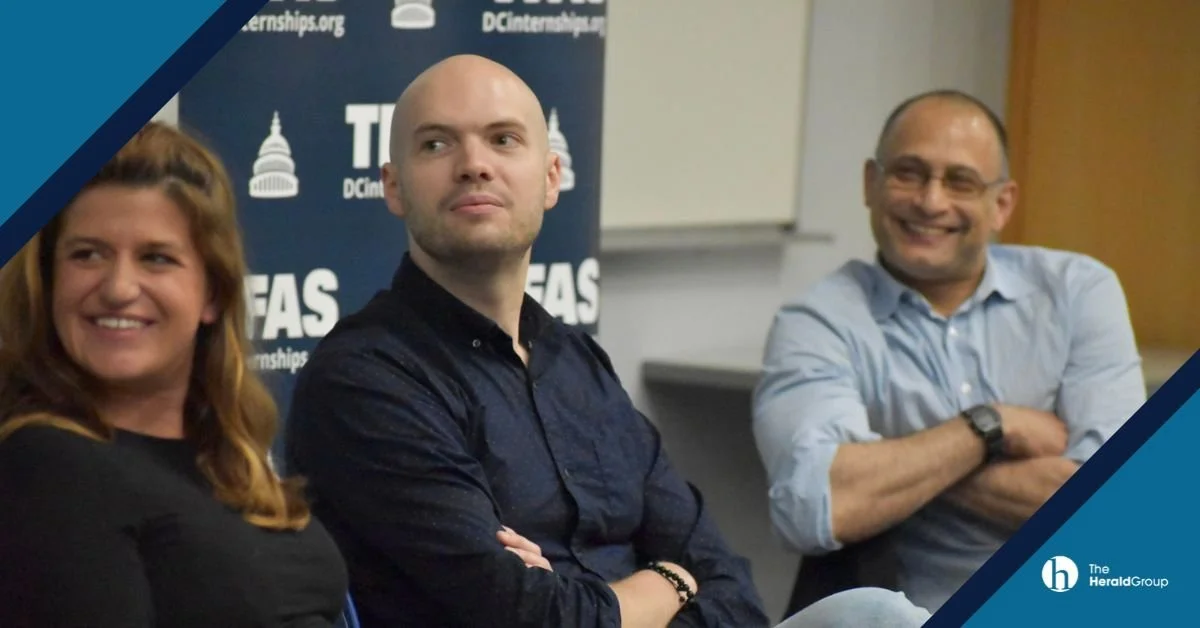
The Herald Group’s Kevin Manning recently joined a panel discussion hosted by The Fund for American Studies to discuss the importance of elevator pitches and networking. He outlined the basics of how to sell who you are to potential employers and peers. Read his guide to developing and executing a compelling pitch.
 Tasha Dobie
Founder of The Square Agency & Official Squarespace Partner