Good Research Isn't Enough. Here's What Makes It Land


Research alone rarely drives action. Learn how to translate complex data into compelling stories, reach key decision-makers, and build a public affairs strategy that ensures your findings land.
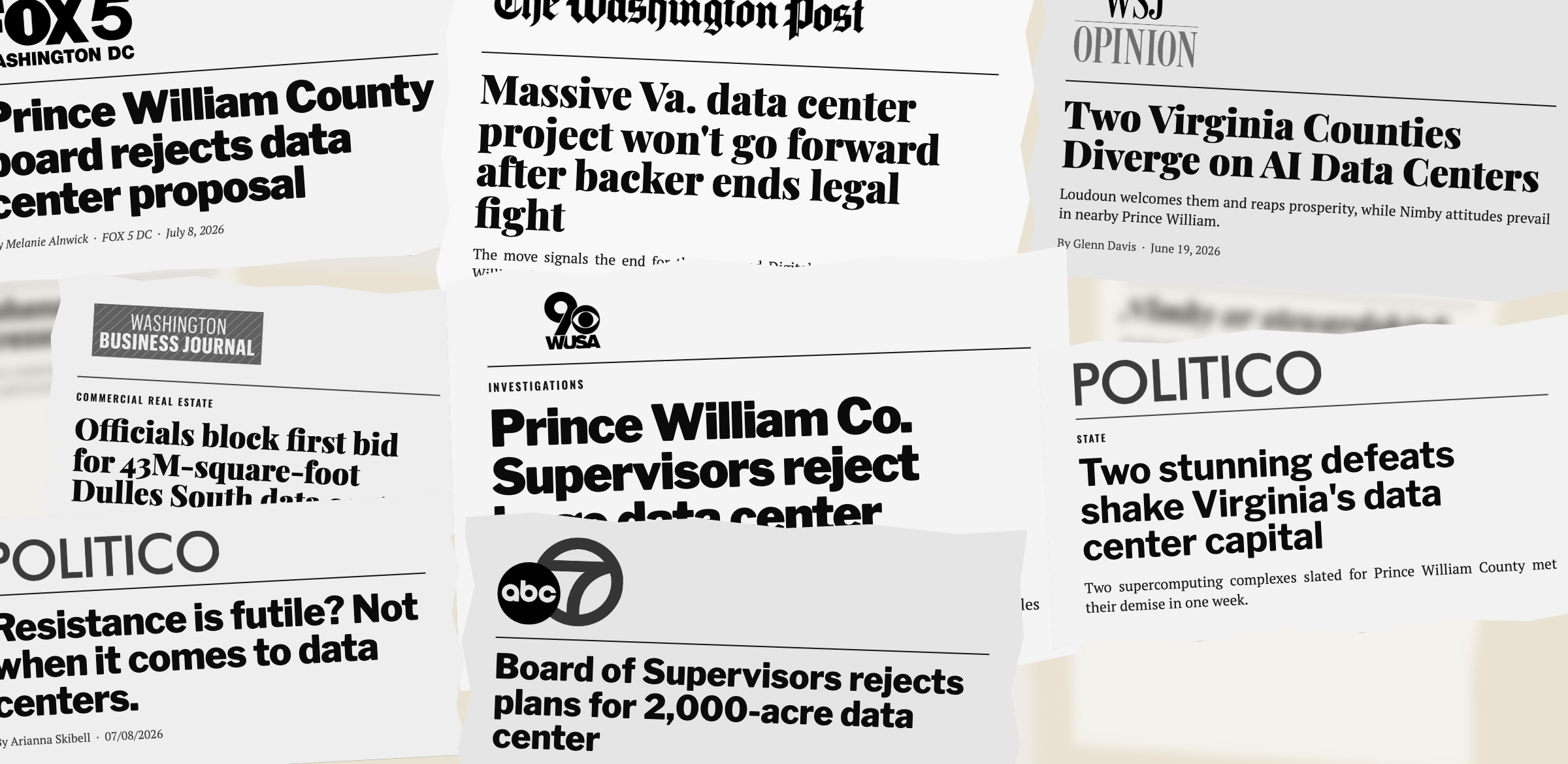
Most organizations invest significant resources into a survey, economic impact study, poll, or white paper. You pour countless hours and dollars into this work. The findings are compelling, and the methodology is airtight; the conclusions reinforce exactly what you hoped to prove.
Then it launches. And...nothing happens.
A few stakeholders download it. Maybe it gets shared on social media for a day or two. But the audience it was meant to reach (the policymakers, influencers, advocates, and decision-makers) moves on.
When that happens, most organizations often assume they have a research problem. They don’t. They have a communications problem.
Here’s what often goes wrong: The research was never translated into a compelling story. Research rarely shifts the narrative. The public affairs strategy around it does.
Despite What They Say, Data Rarely Speaks for Itself
Data requires interpretation and context. Most importantly, it requires someone to explain why it matters.
People encounter dozens of statistics a day, from news headlines and economic reports to advocacy campaigns and industry studies. Don’t forget about the regular ads they see about all their favorite consumer products.
Nobody has the time to decode every figure or draw their own conclusions. If you make them do that work themselves, they won't.
The organizations that break through aren't always the ones with the best research. They're the ones that have the best translation of it.
The Missing Piece? We Forget About Our Human Audience
If you can’t explain complex findings to the general public in plain English, you’ll lose decision-makers, too. Leaders, legislators, and executives are just as overstimulated and distracted as everyone else.
Rule of thumb: If the general public can understand your core message, your primary target audience will get it instantly.
A report showing a policy could increase economic output by 2.4% means something to an economist. To a state legislator, however, the more important question might be what that growth means for employers and workers back home: not "2.4% GDP growth," but "400 new jobs in your district."
A healthcare study may contain pages of compelling clinical data on hospital readmission rates, but patients and caregivers are often more engaged in the data when the conversation shifts to quality of life: not "30% fewer hospital readmissions," but "more nights at home instead of in the hospital."
Bottom line: People connect with real-life consequences quicker than they connect with the numbers.
Facts inform. Stakes persuade.
Research Is Just One Piece of The Communications Strategy
Without an intentional distribution strategy, even the most compelling data remains buried in a PDF that few will ever read. The best story still needs a way to travel.
That's why the most effective public affairs campaigns use a surround-sound approach. A report may provide the intellectual foundation, but it gains public influence only when its findings are translated into opinion pieces, breaking news coverage, trade publication commentary, and digital content.
When your core message reaches people repeatedly through different voices and platforms, individual awareness transforms into institutional belief, and credibility grows.
While paid media drives syndication and coverage, driving real policy or behavioral action requires precision targeting. It isn't enough for the public to stumble across your work; the people empowered to make decisions must see it when it matters most.
Strategic digital advertising puts key findings directly in front of the decision-makers and stakeholders who can act on them, ensuring your research cuts through the noise of today’s crowded media landscape.
Conclusion
Research only creates value when it drives action. That means simplifying complex data, making the stakes personal, and reinforcing key insights across multiple trusted channels. High-impact engagement does not happen by accident, and it rarely happens inside a single report. The next time your team publishes a report: Don't just launch. Make sure it lands.
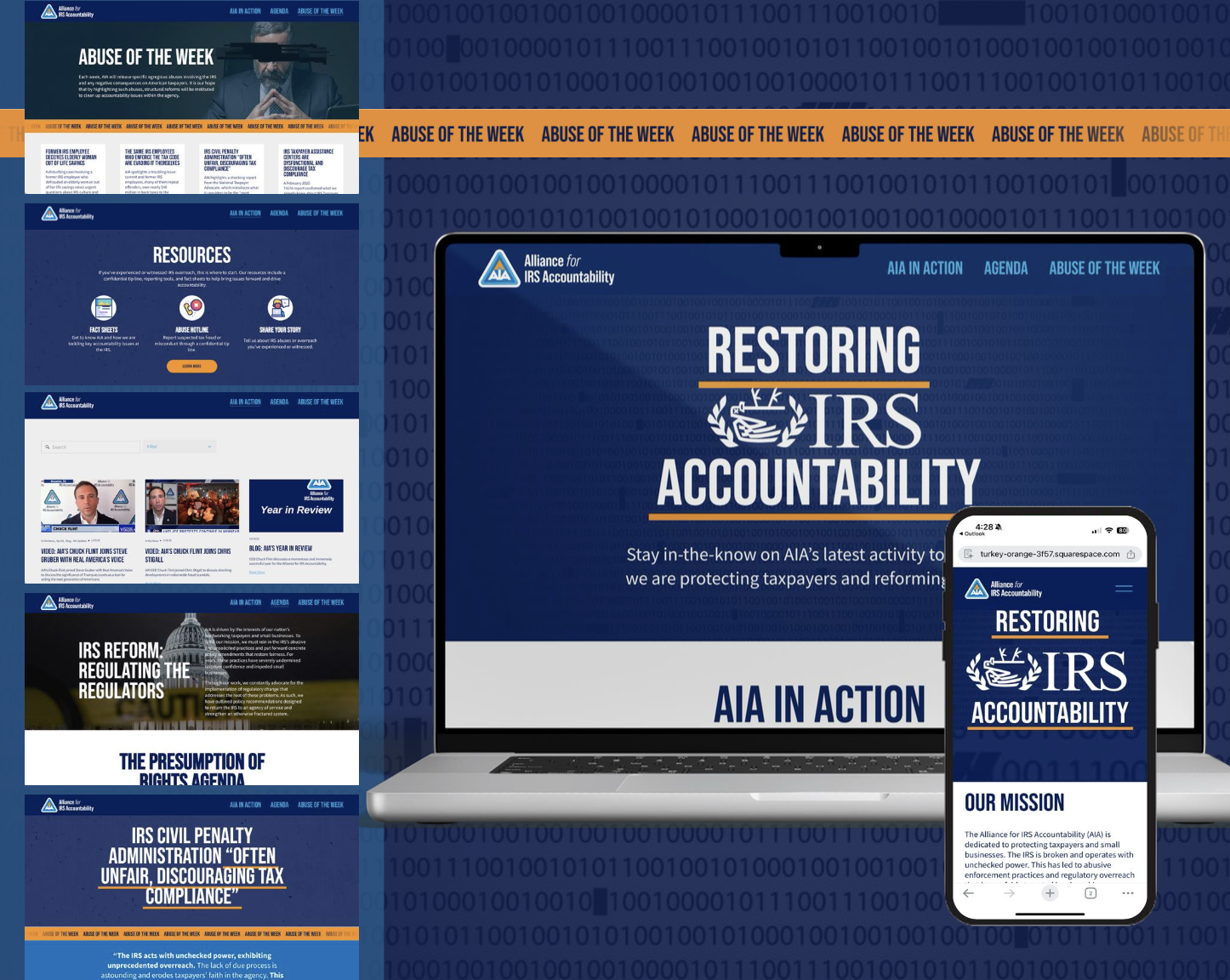
The Herald Group (THG) is a bipartisan public affairs and strategic communications firm based in Washington, D.C., running advocacy campaigns, coalition building, and digital advertising for clients across industries and across the political spectrum. THG turns research and data into campaigns that turn findings into messages that reach the right audiences and move them to act. Get in touch.