What the SCOTUS Campaign Spending Ruling Means for Corporate Advocacy
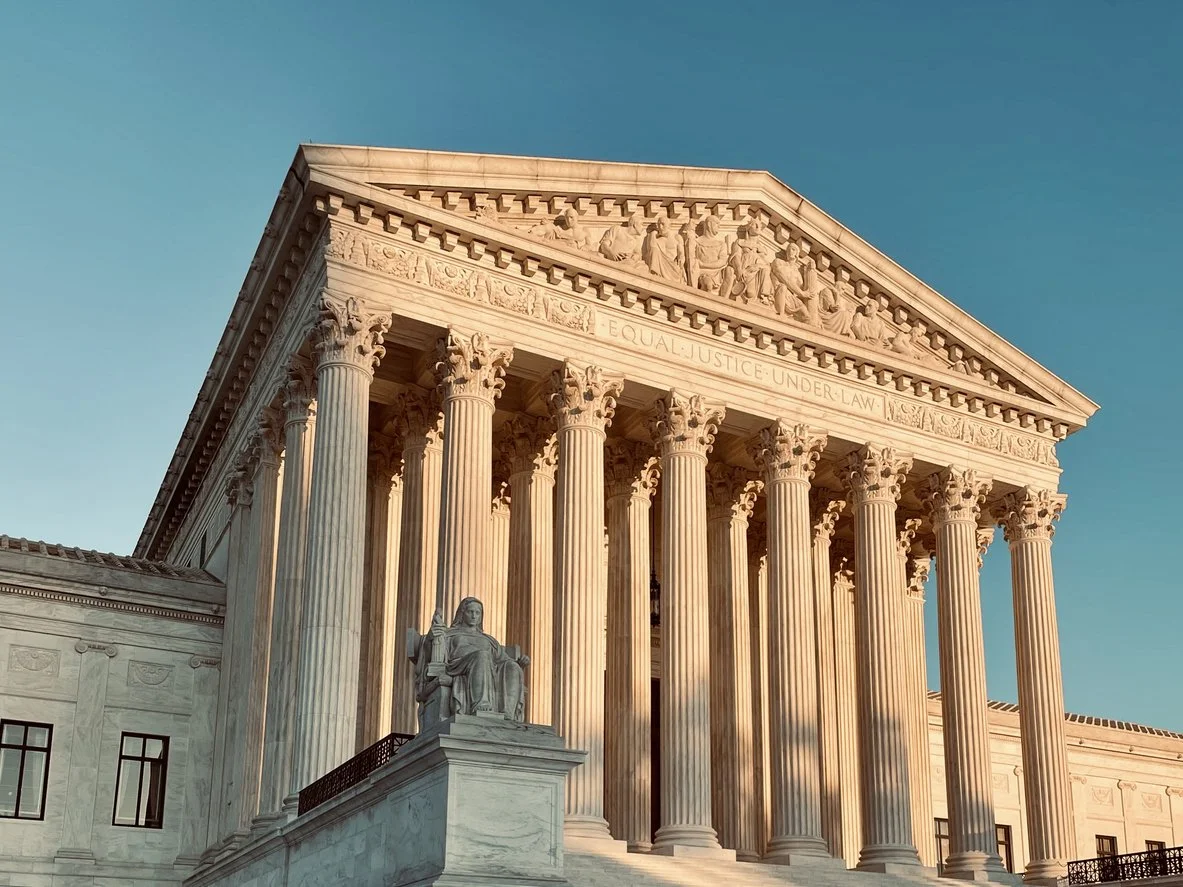

Tuesday’s Supreme Court 6-3 decision in NRSC v. FEC struck down federal limits on coordinated spending between political parties and candidates. The ruling does not change federal contribution limits, but it does change the strategic value of party committee spending.
Party committees can now work more closely with candidate campaigns on paid media, voter contact, data, message timing, and other campaign activity without running into the prior statutory caps.
For companies and trade associations engaged in federal advocacy, that shift matters. The ruling doesn't change what corporations can give—but it significantly changes what that money can accomplish.
Why this matters for corporate advocacy
Party committees just became a more powerful vehicle for advocacy.
Corporate PACs have always been able to give to national and congressional party committees. That money now goes further. A donation to the NRSC or NRCC can effectively be deployed in full coordination with specific Senate or House campaigns—funding ads, voter contact, and data operations that are tightly integrated with the candidate's own strategy. The party committee, in other words, is now a more direct line to the candidates your company cares about
The super PAC calculus shifts.
Citizens United gave corporations the ability to spend unlimited sums through super PACs, but with a catch: that spending had to be independent. No coordination with candidates or parties allowed. For companies that wanted electoral influence, super PACs were the primary lever. Today's ruling changes that math. Party committees now offer something super PACs cannot—genuine coordination with the campaign—and corporations can fund party committees directly through their PACs. Expect to see strategic money start migrating in that direction.
Issue advocacy gets noisier competition.
Many corporations run issue campaigns—on tax, trade, energy, workforce policy—that operate outside the electoral framework entirely. Those programs aren't directly affected by this ruling. But the ad environment is. With parties empowered to spend unlimited coordinated dollars in competitive races, airwaves and digital channels in battleground districts will get significantly more crowded, particularly in the fall. Corporate issue campaigns running in those markets should plan for higher CPMs and greater competition for attention.
The earmarking question is unresolved.
One implication analysts are watching closely: whether corporations can effectively direct party committee money toward specific candidates by earmarking their contributions. Federal law prohibits explicit earmarking, but as parties gain new flexibility, the FEC will likely need to address how it applies existing rules to this new landscape. Companies should stay close to counsel on this.
Coordination rules for your own campaigns remain strict.
None of this loosens the rules around corporations coordinating their own advocacy spending with candidates. Issue advocacy, grassroots programs, and coalition work must still remain independent if they're not to be treated as in-kind contributions. If anything, as parties and campaigns become more intertwined, the bright lines around corporate coordination become more important to maintain.
The bottom line
Today's ruling amplifies corporate influence at the party level, not the candidate level. The limits on what you can give haven't changed, but the electoral leverage of a party committee donation has grown substantially. For corporate government affairs teams, the immediate priority is reassessing where PAC dollars are deployed and how issue-campaign timing interacts with a busier, better-funded partisan ad environment in 2026.