


Ansley Bradwell
SENIOR DIRECTOR
Ansley Bradwell Howd is a Senior Director at The Herald Group.
Before joining The Herald Group, Ansley served as Press Secretary to U.S. Senator Marco Rubio of Florida. In this role, she supported communications strategy and led national media engagement while also working across the Senator’s domestic policy portfolio. She developed and executed messaging around key legislative priorities, advised on rapid-response communications, and managed relationships with national and regional media, including outlets across Florida’s ten media markets.
Prior to her time on Capitol Hill, Ansley held communications roles at Stand Together Communications, where she supported strategic messaging initiatives, and served as Deputy Press Secretary for Americans for Prosperity. She began her career as a Communications Associate for The LIBRE Initiative, focusing on grassroots engagement and media relations.
Ansley graduated from the University of Virginia with a Bachelor of Arts in Foreign Affairs and Spanish.

Education:
University of Virginia
Hometown:
Milton, GA

Third-party groups help build credible outside voices for your issues from institutions or academics. Influencers provide trusted audience access and make the messaging personal and consumable. Effective public affairs campaigns know when to use each.

Recognition honors the chief creative officer’s leadership and industry-leading portfolio.
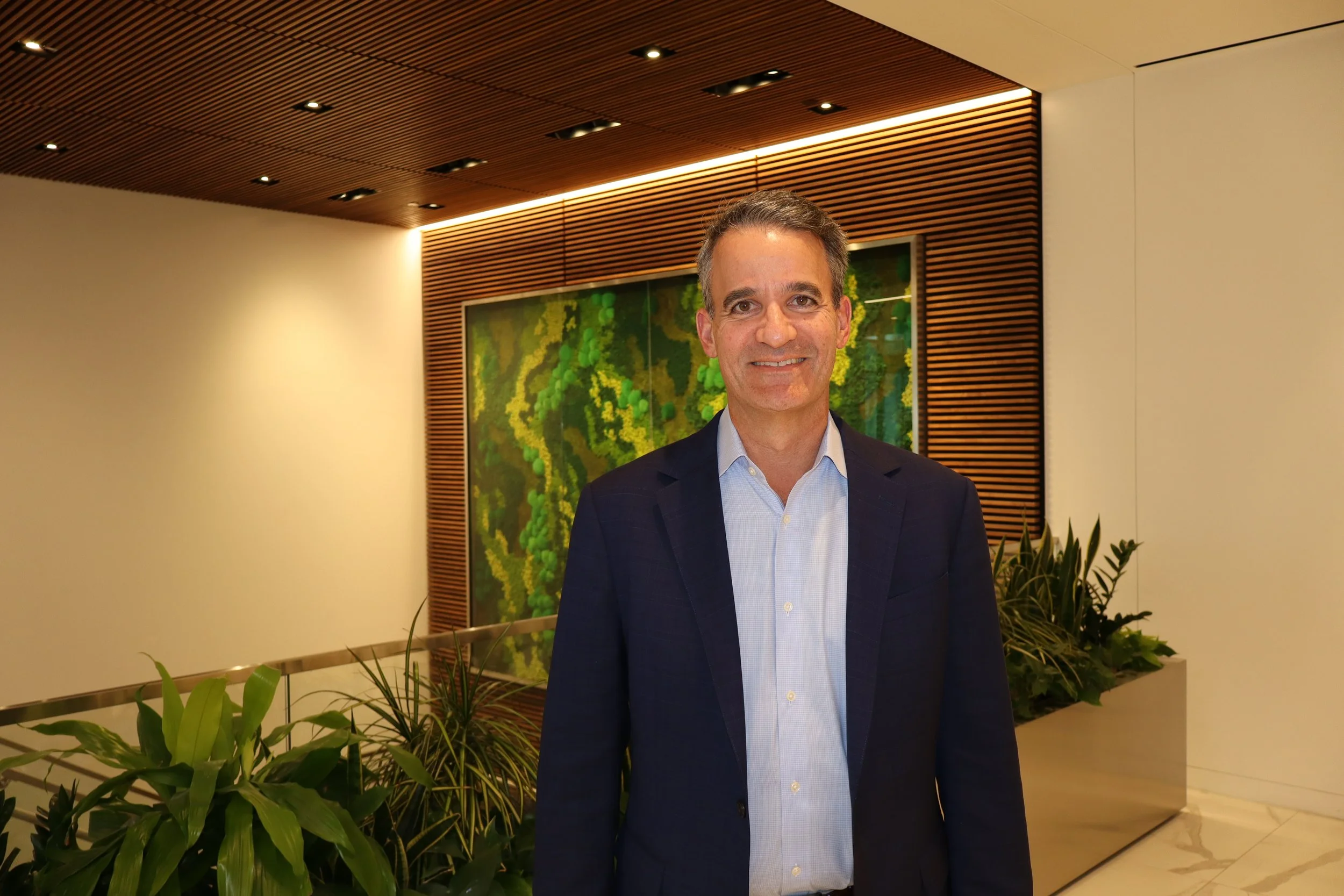
Veteran public affairs strategist brings more than 20 years of experience to strengthen the firm’s longstanding, nationwide advocacy capabilities.

The Herald Group partnered with Survivors for Solutions for an evening of art and patient advocacy, exploring the role of medical innovation in transforming lives.
Reddit and other online forums can reveal where an issue is taking shape, which narratives are spreading, and when an informal conversation is becoming a public affairs threat.
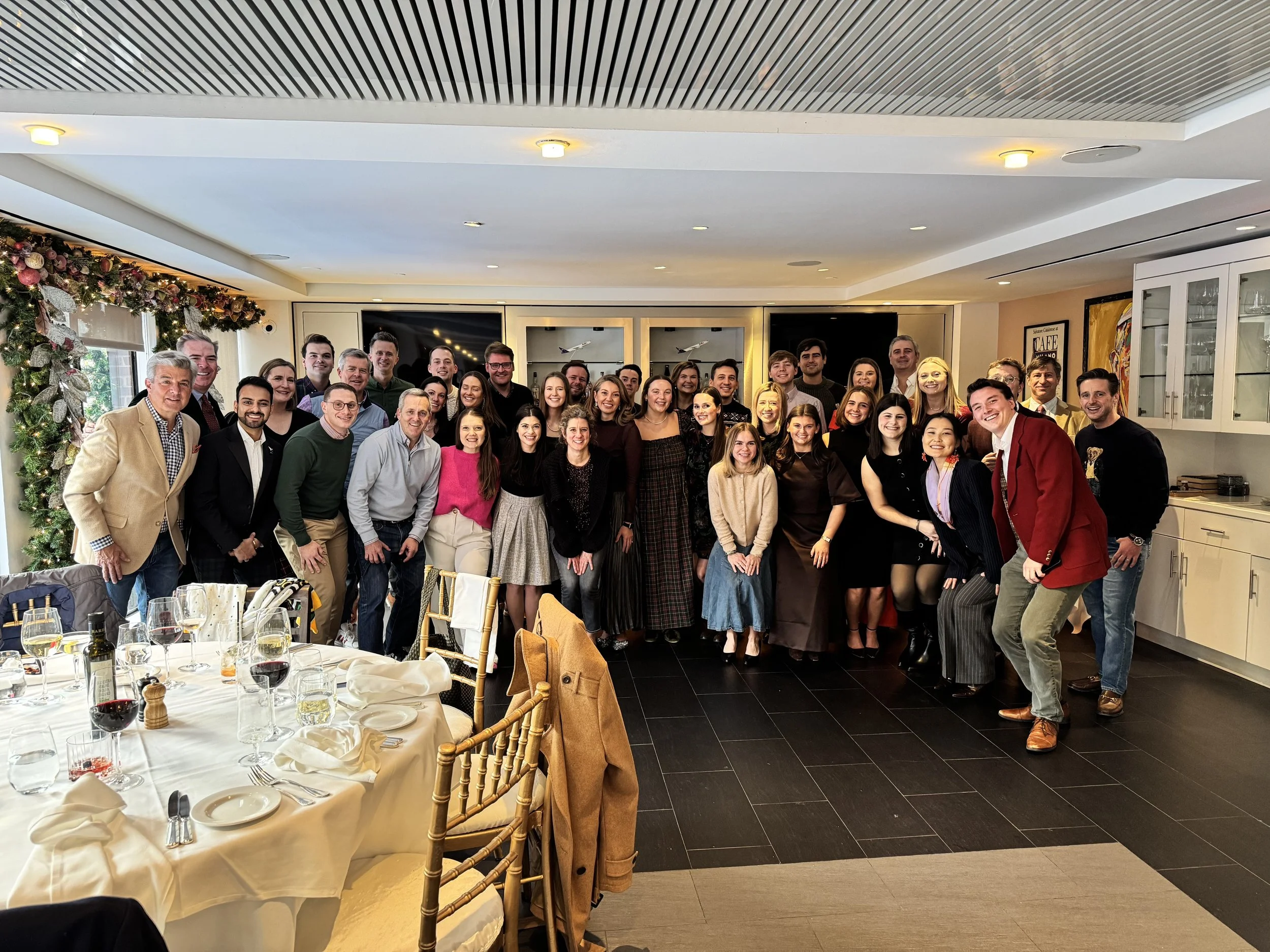
Recognition reflects the firm’s commitment to employee growth, mentorship and a collaborative culture.

Unconventional public affairs advocacy tactics can make an issue impossible to ignore by using targeted activations to reach decision-makers, create earned media opportunities, and strengthen every element of a broader public affairs campaign.

Veteran Advocacy Executive Joins THG Leadership Team and Adds Further Depth to Firm as 15th Addition in 2026

Research alone rarely drives action. Learn how to translate complex data into compelling stories, reach key decision-makers, and build a public affairs strategy that ensures your findings land.
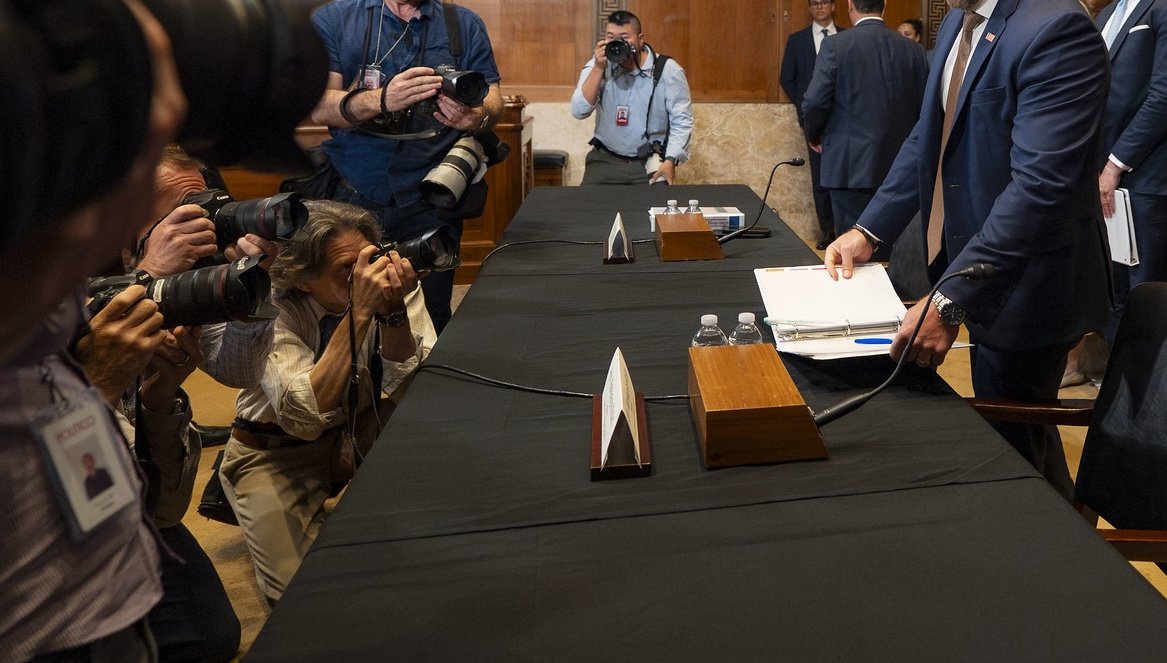
In litigation, regulatory investigations, and reputational crises, organizations often find themselves trapped between two competing realities: legal counsel wants to minimize risk, while stakeholders want answers. Here’s how to communicate when you cannot share the whole story.
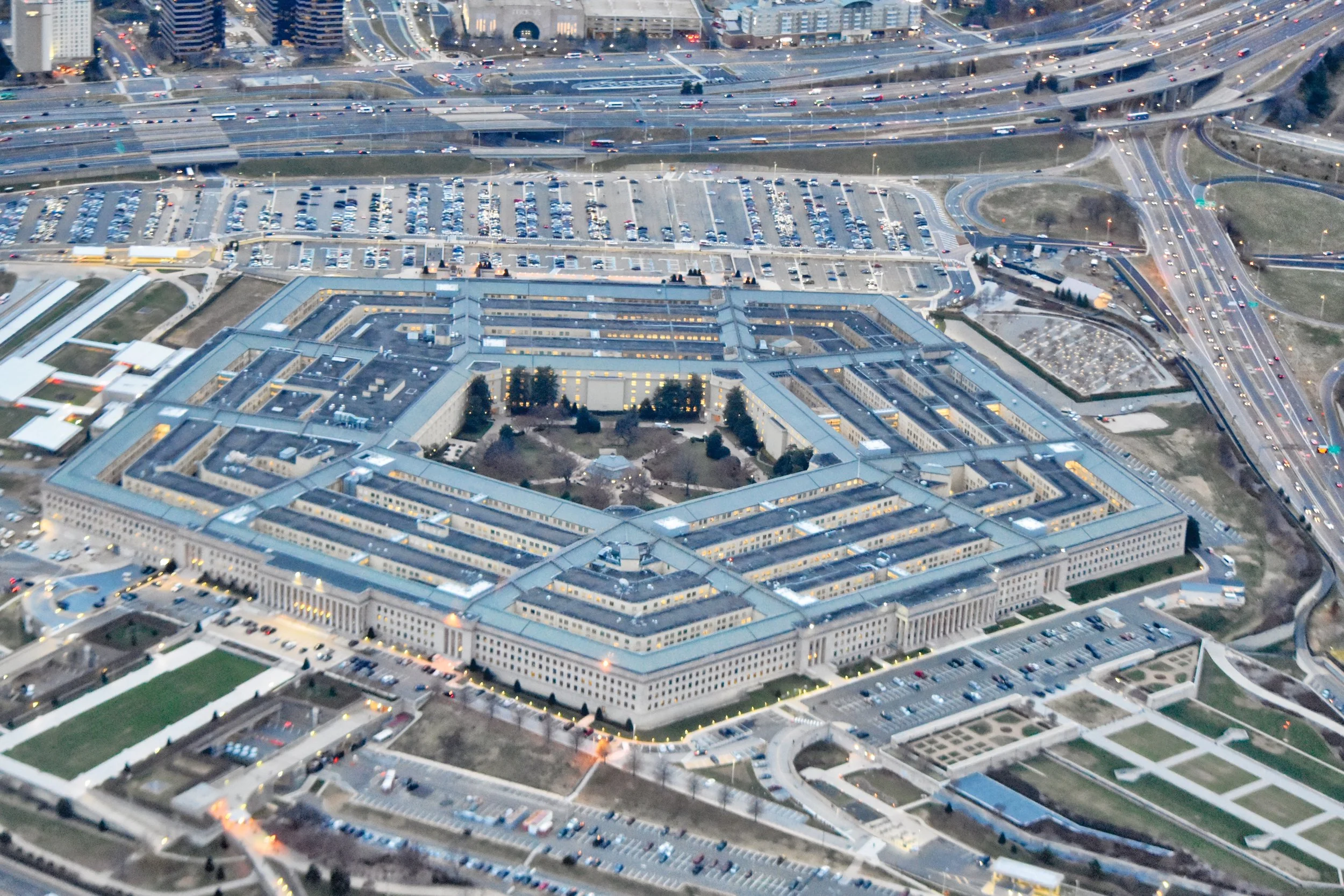
Technology companies changing the defense industrial base need visible leaders who can shape policy conversations, build credibility, and secure a seat at the table before procurement decisions are made.

Audience research can do more than inform one campaign. Synthetic audiences help public affairs teams pressure-test messaging, extend research value and adapt faster as issues, audiences and news cycles shift.
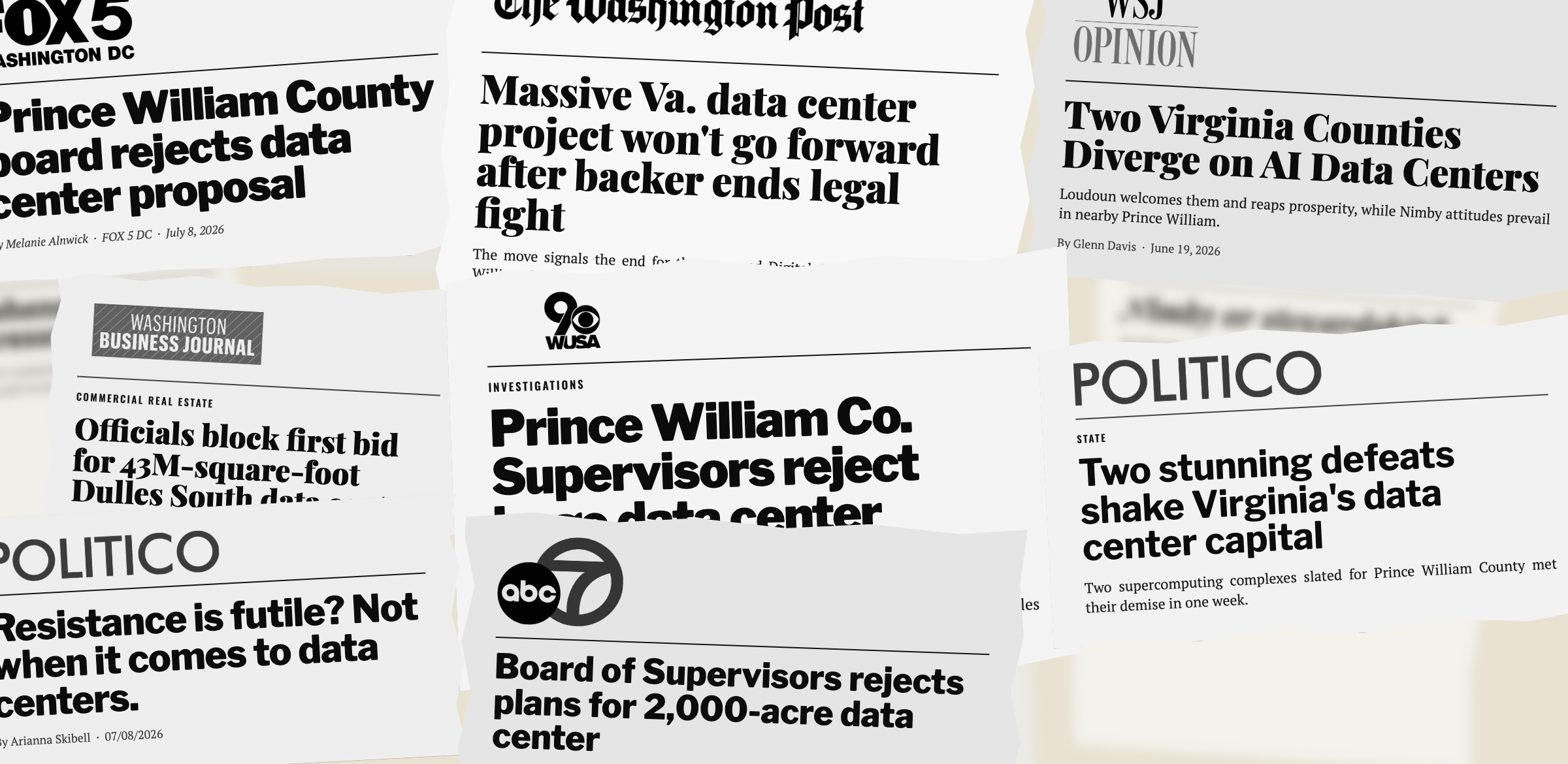
Prince William County’s data center votes aren’t the end of the industry. They’re a reminder that communities need more than facts and figures. They need to understand what these projects mean for their future and why they should welcome them.
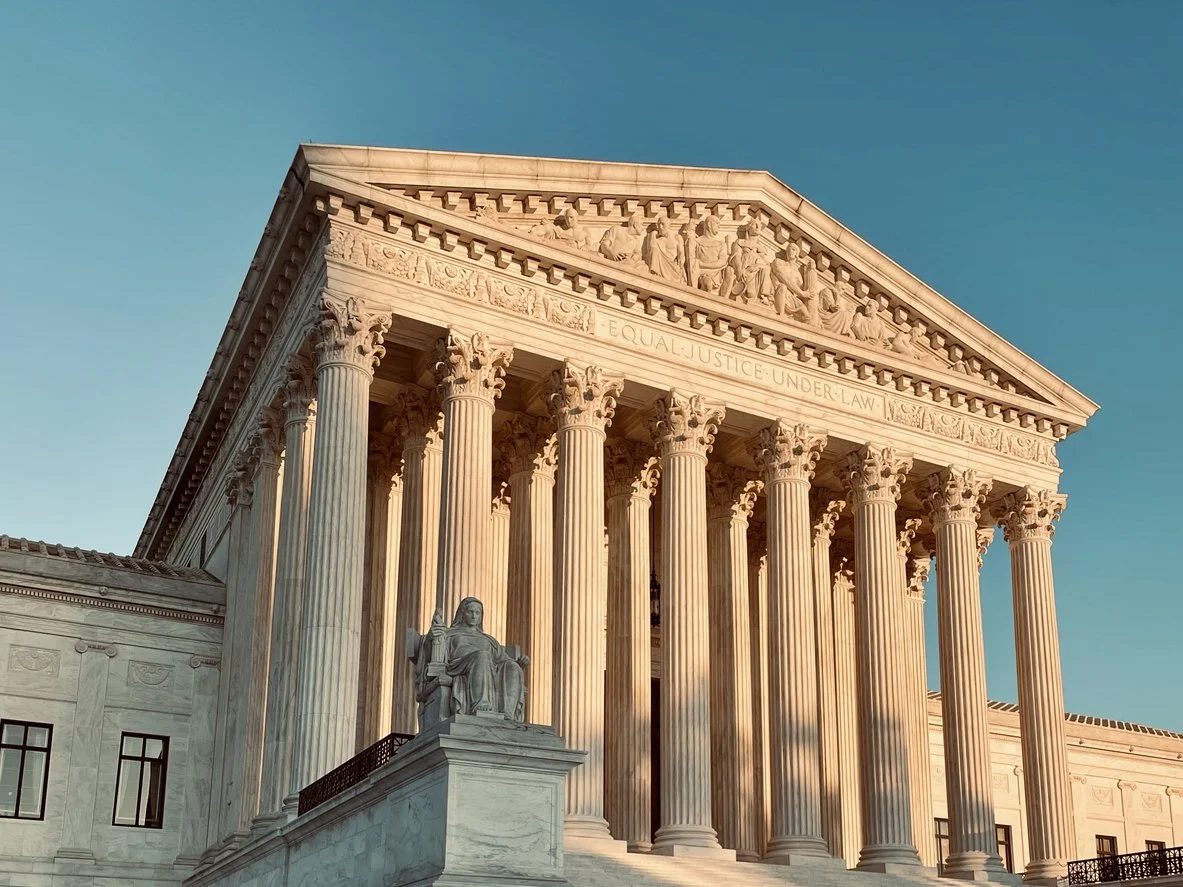
SCOTUS ruling reshapes campaign spending, giving party committees new leverage and changing how corporate advocacy teams plan for 2026.

Mergers are no longer judged on financial merits alone. Public affairs strategy is essential to defining the narrative, managing scrutiny, and moving stakeholders toward approval.

Most organizations have no idea what AI engines say about them — and that blind spot is costing them. As AI visibility becomes the new first impression for journalists, staffers, and advocates, the stakes have never been higher.
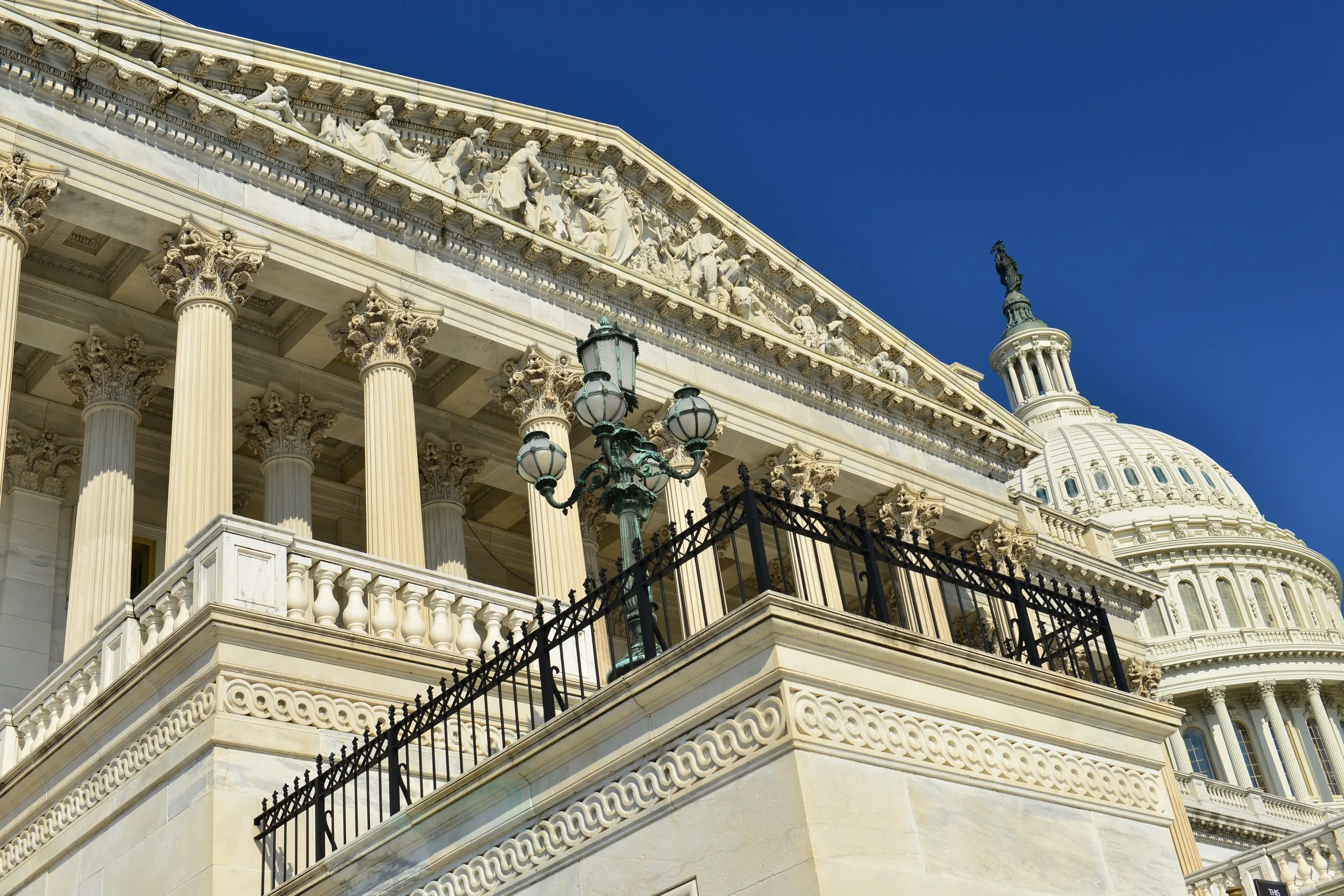
A congressional investigation is never just a legal matter. Companies that prepare now—with legal, communications, government affairs, and stakeholder teams aligned—will be better positioned to protect their reputation before a negative narrative takes hold.

Modern advocacy requires more than a strong lobbying strategy or broad public awareness campaign. To drive real policy outcomes, organizations need a synchronized inside-outside game that pairs Capitol-level strategy with constituent-driven pressure.
Most organizations treat media relations as a crisis tactic—but the ones that weather storms best build press relationships long before trouble hits. Here's why a sustained media strategy is essential in public affairs.

The Herald Group earns seven Hermes Creative Awards—four Gold, three Honorable Mentions—for work spanning blog content, website design, paid media, outdoor advertising, and LinkedIn performance.